The digestive health landscape has shifted dramatically over the last few years. Not long ago, the average gut supplement was either a standard Lactobacillus pill or a tub of chalky psyllium husk powder. Today, research focuses heavily on how the microbiome directly influences metabolic health, appetite signals, and the strength of the gut lining.
Sodatide fits right into this new approach. It is an all-in-one synbiotic—a daily supplement combining prebiotic fibers with specific probiotic strains. Instead of promising overnight miracles, Sodatide is designed to support daily digestive comfort, curb post-meal heaviness, and encourage natural satiety signals.
In this review, we examine what actually goes into Sodatide, how its ingredients work in the body, what real users are saying, and whether it deserves a spot in your daily routine.
What Is Sodatide?
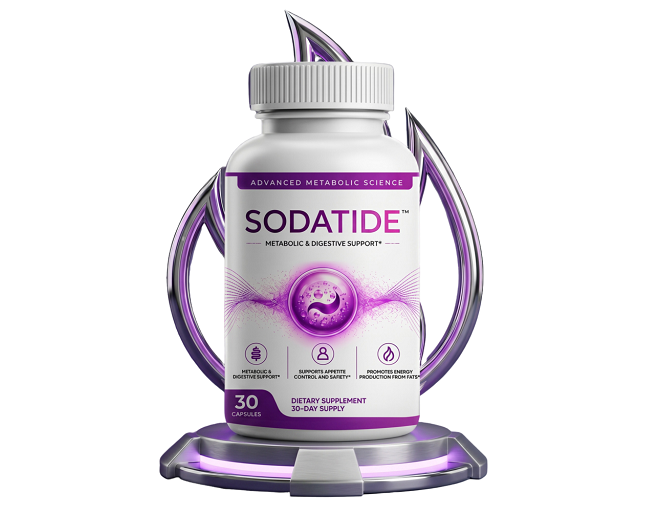
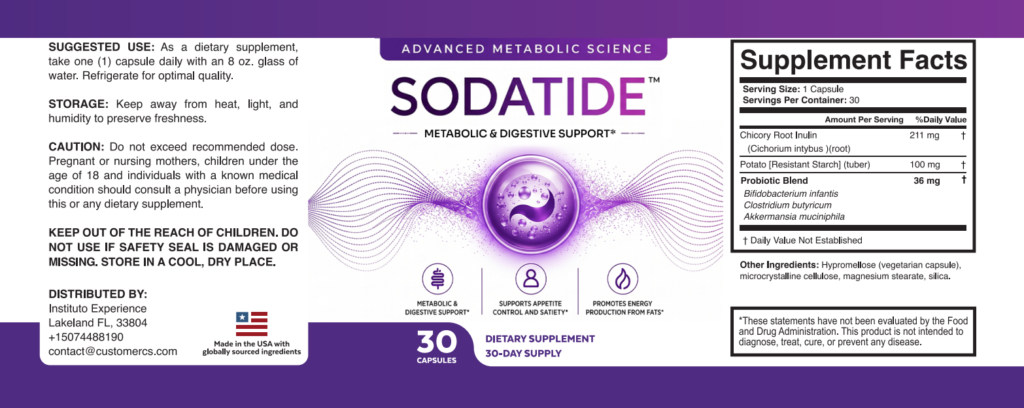
Sodatide is an over-the-counter daily supplement formulated to support both digestion and metabolic wellness. Each capsule blends two prebiotic fibers—chicory root inulin and potato resistant starch—with three target probiotic strains: Akkermansia muciniphila, Bifidobacterium infantis, and Clostridium butyricum.
Most conventional probiotics dump trillions of generic bacterial strains into your system just to keep things moving. Sodatide takes a more targeted route. It focuses on the gut-metabolism axis, feeding specific gut bacteria that produce short-chain fatty acids (SCFAs) like butyrate. These fatty acids help maintain the intestinal barrier and play a direct role in how full you feel after meals.
Sodatide is made in the United States in facilities following Good Manufacturing Practices (GMP). Distributed by Sodatide Research / Instituto Experience, each bottle holds 30 vegetarian capsules—a full 30-day supply at the recommended dose of one capsule a day.
Quick Formula Overview
-
Category: Synbiotic (Prebiotic + Probiotic)
-
Format: Vegetarian hypromellose capsule
-
Daily Dose: 1 capsule with an 8 oz glass of water
-
Supply: 30 capsules per bottle (30 days)
-
Prebiotics: Chicory Root Inulin (211 mg), Potato Resistant Starch (100 mg)
-
Probiotics (36 mg blend): Akkermansia muciniphila, Bifidobacterium infantis, Clostridium butyricum
-
Core Goals: Less bloating, better digestion, gut lining support, natural satiety
-
Dietary Info: Non-GMO, free from major common allergens
How Does It Work? Understanding the Gut-Metabolism Axis
To understand why Sodatide pairs these specific ingredients, it helps to look at how prebiotics and probiotics work together inside your colon.
Fiber Passes Through the Upper GI Tract
Your body cannot digest complex carbohydrates like inulin or resistant starch in the stomach or small intestine. They pass through untouched until they hit the large intestine, where beneficial gut bacteria use them as fuel.
Fermentation Produces Short-Chain Fatty Acids
As bacteria break down these fibers, they produce Short-Chain Fatty Acids (SCFAs)—mostly acetate, propionate, and butyrate.
-
Butyrate acts as the primary energy source for the cells lining your colon, keeping that barrier tight and healthy.
-
Propionate and Acetate enter your bloodstream, communicating with metabolic receptors in the liver and metabolic tissues.
Satiety Signals and Appetite Control
Specialized cells in your gut wall respond to these short-chain fatty acids by releasing natural gut hormones, including GLP-1 and PYY. These chemical signals tell your brain that you are full, help slow down digestion, and support steady blood sugar responses after eating.
Sodatide combines live probiotic strains with the exact prebiotic fibers those strains need to thrive, creating a self-sustaining ecosystem in your digestive tract.
Breakdown of Sodatide Ingredients and Features
The Sodatide Supplement Facts label highlights three core functional areas. Here is a clear look at what each ingredient actually does.
1. Chicory Root Inulin (211 mg)
Inulin is a soluble fiber extracted from chicory root (Cichorium intybus).
It selectively feeds Bifidobacteria populations in the colon. As a soluble fiber, inulin also pulls water into the digestive tract, softening stools and promoting comfortable, regular bowel movements.
At 211 mg per serving, Sodatide uses a micro-dose of inulin. This feeds the probiotic bacteria without causing the heavy gas or sharp abdominal cramps that usually come with multi-gram fiber powders.
2. Potato Resistant Starch (100 mg)
Resistant starch Type 2 (RS2) from raw potatoes resists digestion in the upper stomach.
Unlike simple sugars that break down fast, resistant starch ferments slowly along the entire length of the large intestine. It is one of the most effective dietary sources for generating butyrate, giving specialized anaerobic organisms like Clostridium butyricum the exact nourishment they need.
3. Targeted Probiotic Blend (36 mg Total)
Sodatide uses a 36 mg proprietary blend featuring three distinct bacterial species:
-
Akkermansia muciniphila: This species lives in the mucosal layer of your gut wall. It encourages your body to continually renew its protective mucin lining, which supports gut barrier integrity and metabolic balance.
-
Bifidobacterium infantis: Known for breaking down complex carbohydrates, this strain produces lactic and acetic acids. These acids lower intestinal pH, creating an environment where harmful bacteria struggle to grow while calming occasional gut irritation.
-
Clostridium butyricum: A spore-forming bacterium that produces high levels of butyrate. Because spore-forming microbes have a natural protective shell, C. butyricum easily survives harsh stomach acid and bile salts to reach your lower intestine intact.
Capsule Quality and Allergens
Sodatide uses vegetarian hypromellose capsules made from plant cellulose. The formulation uses clean excipients like microcrystalline cellulose, magnesium stearate, and silica. It is non-GMO and free from gluten, dairy, soy, eggs, fish, shellfish, tree nuts, and peanuts.
Potential Benefits and Practical Uses
- Digestive support
The most reasonable use case for Sodatide is general digestive support. The prebiotic fibers may be relevant to people who want to add fermentable fiber to their routine, while the probiotic blend is intended to support the gut microbial environment.
Some users may notice changes in stool frequency or consistency. Others may not notice anything obvious. Digestive supplements often require consistent use, and any effects may take time to appear.
Sodatide is not designed to diagnose the cause of chronic digestive symptoms. Persistent bloating, diarrhea, constipation, abdominal pain, or reflux deserves a proper medical evaluation.
- Microbiome support
Sodatide uses a combination of microorganisms rather than relying on a single probiotic species. Pairing probiotics with prebiotic fibers is a logical formulation strategy because the fibers may provide material that certain bacteria can use.
The phrase “microbiome balance” should still be treated carefully. There is no single ideal microbiome that applies to every adult, and increasing one type of bacteria is not automatically beneficial in every situation.
A healthy gut is influenced by the full diet, sleep, movement, stress levels, medications, and medical history—not just by the contents of one capsule.
- Appetite and satiety
Fiber can contribute to fullness in some circumstances. However, the amount of prebiotic fiber reported for Sodatide is small compared with the quantities typically used in studies of fiber and satiety.
That makes it difficult to predict a noticeable appetite effect from the capsule alone. Sodatide should not be used as a substitute for adequate protein, vegetables, whole grains, hydration, or a structured eating plan.
If persistent hunger or unexplained weight changes appear suddenly, it is better to discuss those symptoms with a healthcare professional.
- Metabolic wellness
The inclusion of Akkermansia muciniphila reflects current interest in the relationship between gut microorganisms and metabolic health.
Preliminary research is promising enough to justify continued investigation. It does not establish that Sodatide improves insulin sensitivity, lowers glucose, reduces body fat, or treats metabolic disease.
People with diabetes or prediabetes should be particularly cautious about supplements promoted for blood-sugar control or fat burning. Sodatide should not replace prescribed treatment or regular monitoring.
Who Might Consider Sodatide Capsules?
Sodatide may appeal to an adult who:
-
Wants a capsule-based synbiotic.
-
Is interested in a formula that combines prebiotics and probiotics.
-
Understands that results may be modest or inconsistent.
-
Does not have a known sensitivity to inulin or fermentable fibers.
-
Is willing to evaluate the product over time rather than expecting immediate results.
-
Plans to use it alongside a balanced diet and regular healthy habits.
It may be a poor fit for someone who:
-
Wants a fully disclosed CFU count for every strain.
-
Has a history of significant bloating from inulin or fructans.
-
Is looking for a clinically proven weight-loss medication.
-
Needs extensive independent testing documentation.
-
Has a serious illness or weakened immune system.
-
Is pregnant, breastfeeding, or under 18 without medical guidance.
Anyone experiencing severe abdominal pain, blood in the stool, persistent vomiting, fever, ongoing diarrhea, or unexplained weight loss should seek medical care rather than attempting to manage the symptoms with a supplement.
Safety, Potential Side Effects, and How to Take It
Sodatide uses ingredients generally recognized as safe for healthy adults. However, introducing new probiotic strains and prebiotic fibers can cause a short adjustment period.
What to Expect During the First 1 to 2 Weeks:
-
Mild gas or flatulence as your resident gut bacteria adjust to inulin.
-
Slight changes in stool frequency or softness.
-
Temporary stomach gurgling or rumbling after meals.
These signs usually mean the bacteria are actively fermenting in the lower GI tract. Symptoms are mild and typically clear up within a week or two.
Daily Usage Guidelines:
-
Take one capsule daily, preferably in the morning with 8 ounces of water.
-
Stick with it consistently for at least 30 to 60 days to give the bacterial strains time to establish.
-
While the unopened bottle is shelf-stable, refrigerating it after opening helps maintain peak strain potency.
Pros & Cons
Pros
-
Features hard-to-find, next-generation strains like Akkermansia and C. butyricum.
-
Micro-dosed prebiotic fiber prevents severe gas and cramping.
-
Simple 1-capsule daily routine.
-
Non-GMO and free from major allergens in a plant-based capsule.
-
Backed by a full 60-day money-back guarantee.
Cons
-
Only sold through official online channels.
-
Individual CFU counts per strain are not listed separately on the label.
-
Single-bottle orders are pricier than basic supermarket probiotics.
-
Requires 1–2 weeks of consistent use for your gut to fully adapt.
Real Customer Feedback: What Users Are Saying
Looking across verified buyer reviews and forum discussions, clear trends emerge about how Sodatide performs in real life:
What Users Love
-
Less Afternoon Bloat: Many buyers report noticeable relief from tight waistbands and heavy post-lunch stomach tightness within 2 to 3 weeks.
-
Reliable Habits: Users mention smoother, regular morning bathroom routines without sudden urgency or cramping.
-
Fewer Cravings: Several reviewers noted that feeling properly full after meals made it easier to pass on late-night snacks.
-
Easy Swallow Capsule: The small vegetarian pill is much easier to take daily compared to gritty fiber drinks.
Common Complaints
-
Takes Time: Shoppers looking for a quick overnight fix were disappointed; real results usually take 3 to 4 weeks of consistent use.
-
Single Bottle Cost: Buying one bottle at a time can feel expensive compared to multi-bottle value packs.
-
Initial Gurgling: A small percentage of users experienced mild gas during their first week.
Sodatide Pricing, Bundles, and Money-Back Guarantee
Sodatide is sold directly through its official store platforms. Buying multi-bottle packages brings down the individual price significantly.
-
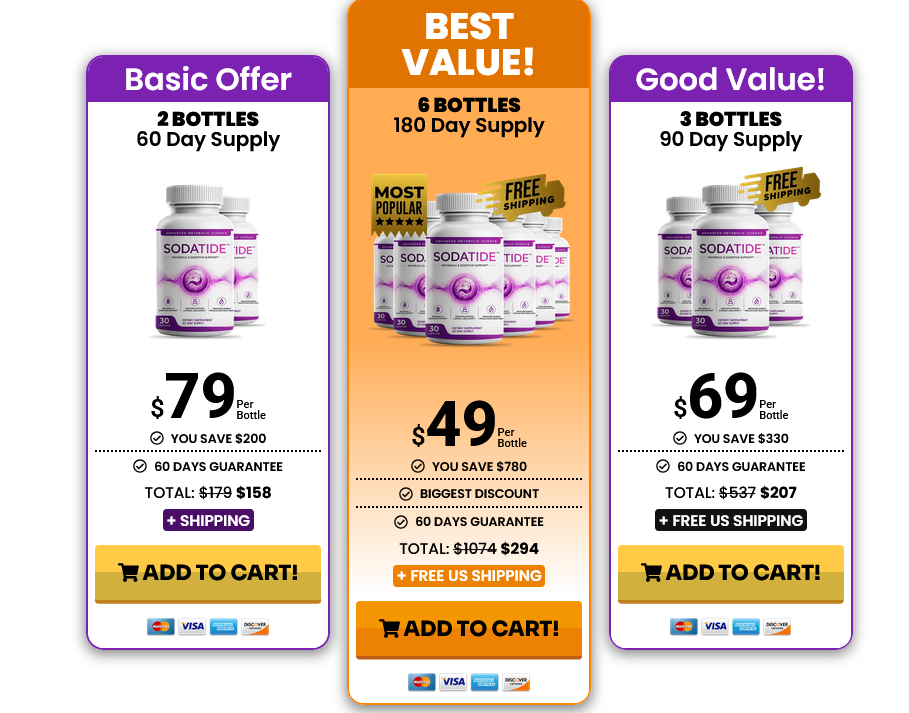
2-Bottle Pack (60-Day Supply): $79 per bottle ($158 total) + $9.99 shipping
-
3-Bottle Pack (90-Day Supply): $69 per bottle ($207 total) + FREE shipping
-
6-Bottle Pack (180-Day Supply): $49 per bottle ($294 total) + FREE shipping
60-Day Refund Policy
Every official Sodatide order includes a 60-day 100% money-back guarantee. If you try the product and do not notice a difference in your digestion or comfort, you can request a full refund within 60 days of purchase.
For official support or return requests, you can contact customer care by email at contact@customercs.com or by phone at +1 (507) 448-8190. Ordering directly from official sites ensures your purchase is covered by this policy.
Frequently Asked Questions
Q. What is Sodatide used for?
Sodatide is marketed for digestive support, gut-microbiome balance, appetite support, and metabolic wellness. It is not a prescription medicine and should not be used to treat a medical condition.
Q. What is the best time of day to take Sodatide?
Take one capsule every morning with a full glass of water. Taking it around the same time each day helps establish a consistent habit.
Q. Is Sodatide a weight loss drug or GLP-1 injection?
No. Sodatide is an everyday dietary supplement, not a pharmaceutical drug or GLP-1 medication. It supports your body’s natural production of satiety hormones by nourishing beneficial gut bacteria.
Q. Do I need to keep the bottle in the fridge?
Sodatide is stable at room temperature during shipping, but storing the bottle in your refrigerator after opening helps protect live bacterial strains over time.
Q. How many capsules are in each bottle?
Each bottle contains 30 vegetarian capsules, providing a 30-day supply at the standard dose of one pill a day.
Q. How long does it take to feel a difference?
Most users report feeling lighter with less bloating after 10 to 14 days. Broader metabolic and satiety benefits generally build over 30 to 60 days of continuous use.
Q. What side effects can Sodatide cause?
Gas, bloating, abdominal discomfort, and changes in bowel movements are possible. These reactions may be related to the fermentable fibers. Stop taking the product and seek medical advice if you experience a serious or unusual reaction.
Q. Is Sodatide FDA approved?
No. Dietary supplements are not generally approved by the FDA for safety and effectiveness before they are sold. That does not automatically mean a supplement is unsafe, but it does mean consumers should not confuse supplement marketing with drug approval.
Final Verdict
Sodatide offers a well-thought-out, modern approach to digestive wellness. Instead of filling capsules with basic strains you can find in yogurt, it includes hard-to-find targeted species like Akkermansia muciniphila and Clostridium butyricum alongside gentle prebiotic fibers.
It is pricier than basic supermarket options if you buy just one bottle, but the multi-bottle options bring the cost down to a fair rate for a specialized synbiotic. Combined with a clean formula and a risk-free 60-day refund policy, Sodatide is a solid, trustworthy choice for anyone looking to reduce bloating, support gut lining integrity, and encourage better overall metabolic health.