Keeping your blood sugar on an even keel is hard work, especially when modern convenience food is loaded with hidden starches and sugars. For decades, the standard playbook was simple: count your carbs, hit the gym, and maybe take a handful of chalky cinnamon or chromium pills.
Scientists studying human metabolism have zeroed in on something else entirely: the gut-glucose connection. As it turns out, the bacteria in your digestive tract hold constant conversations with your pancreas and liver. When your gut lining is irritated, or your microbiome is off balance, your cells become less responsive to insulin. That means larger post-meal blood sugar spikes, deeper afternoon energy crashes, and intense cravings for snacks you know you shouldn’t eat.
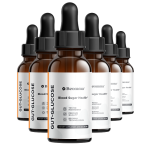
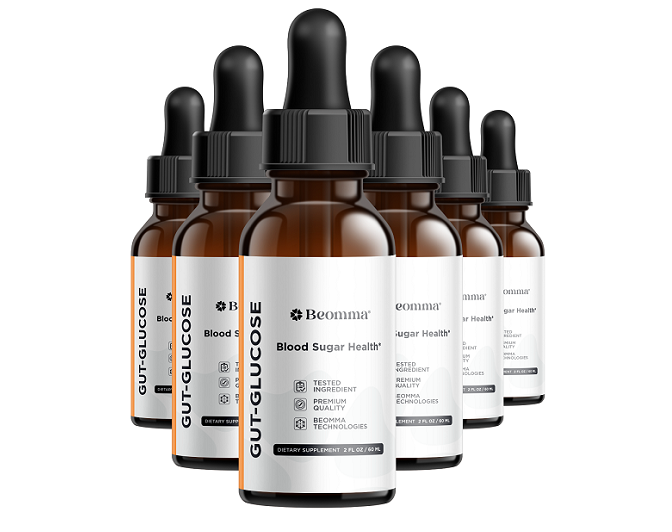
Gut Glucose enters the conversation right at this crossroads. Rather than relying on another giant, horse-pill capsule designed strictly for carbohydrate breakdown, this brand built a daily chewable tablet around botanicals, marine extracts, and plant-based antioxidants.
Here is our independent, step-by-step breakdown of how Gut Glucose is built, what the individual herbs actually do, what you should realistically expect, and whether it deserves a spot on your kitchen counter.
What Is Gut Glucose?
Gut Glucose is a daily, plant-based chewable supplement developed to help healthy adults maintain balanced blood sugar levels, encourage natural insulin sensitivity, and promote healthy digestion.
The format is the first thing people notice. Most metabolic formulas require swallowing three or four massive capsules every morning with a tall glass of water. Gut Glucose comes as an easy-to-chew tablet sweetened with xylitol, a plant-derived sugar alcohol that won’t trigger glucose spikes or harm your teeth. You chew one tablet daily alongside a meal.
Core Product Highlights
-
Plant-Based Formulation: Completely vegan, non-GMO, gluten-free, dairy-free, and soy-free.
-
Domestic Quality Standards: Blended and packaged in a U.S. facility that adheres strictly to Current Good Manufacturing Practices (cGMP) and undergoes routine FDA inspections.
-
Laboratory Testing: Every batch is tested by third-party facilities to verify ingredient identity, potency, and safety against heavy metals and contaminants.
-
Clean Sweetener Profile: Contains zero cane sugar, corn syrup, artificial flavors, or synthetic dyes.
Keep in mind that Gut Glucose is a dietary supplement, not a pharmaceutical prescription. It will not cure metabolic disease, nor is it meant to replace medications like metformin, insulin, or GLP-1 injections. Think of it as targeted daily nutrition meant to work alongside real food and regular movement.
How Does It Actually Work?
To understand why this formula is built the way it is, think about what happens the moment you eat a sandwich or a bowl of pasta.
Your digestive enzymes break those complex carbohydrates down into glucose, which enters your bloodstream through your small intestine. In response, special endocrine cells in your gut wall release signaling hormones—including GLP-1—that instruct your pancreas to secrete insulin. Insulin acts like a key, unlocking the doors of your muscle and liver cells so glucose can move inside and be burned for fuel.
When this pathway runs smoothly, your blood sugar rises gently after lunch and settles back to normal within a couple of hours.
Problems crop up when that chain of communication gets disrupted:
-
Microbiome Imbalance: If your gut flora lacks diversity, you produce fewer short-chain fatty acids (SCFAs). These fatty acids are essential messengers that tell your cells to stay sensitive to insulin. Without them, your body has to pump out extra insulin just to get the job done.
-
Sluggish Transporter Proteins: When cells become resistant to insulin signals, internal glucose gates (specifically GLUT4 transporters) take too long to reach the cell surface. Sugar lingers in your bloodstream, making you feel foggy and exhausted.
-
The Crash-and-Craving Loop: After your body finally overcompensates by dumping excess insulin into your blood, your blood sugar drops too fast. Your brain panics, interpreting the sudden drop as an energy emergency, and screams for quick sugar or caffeine to bring it back up.
How GutGlucose Steps In
Gut Glucose targets this cycle across three key areas:
-
Slowing Down Absorption: Marine fibers from brown kelp (fucoidan and fucoxanthin) line the digestive tract with prebiotic polysaccharides, giving gut bacteria the nourishment they need while tempering rapid sugar absorption.
-
Activating Cellular Energy Channels: Plant compounds like berberine HCl and corosolic acid (from banaba leaf) jumpstart an internal enzyme called AMPK. This pathway helps pull glucose directly into muscle tissue, taking the burden off your pancreas.
-
Tempering Rebound Cravings: Bioactive saffron and polyphenols from olive leaf and Ceylon cinnamon help buffer post-meal oxidative stress and balance mood-related neurotransmitters, making it far easier to bypass the office candy bowl at 3:00 PM.
GutGlucose Ingredients Breakdown: What Is in Every Tablet?
A supplement is only as reliable as the raw plants inside it. Gut Glucose combines ten active and functional ingredients. Here is what research shows about each one.
1. Berberine HCl
Berberine is an intense yellow alkaloid extracted from the roots of plants like the barberry shrub. In clinical wellness circles, it is widely respected for its ability to trigger AMPK (AMP-activated protein kinase). Often called the cell’s “master metabolic gauge,” AMPK tells your cells to take in glucose and burn fatty acids instead of storing them. Multiple published human trials show berberine works effectively to support healthy baseline glucose levels.
2. Corosolic Acid (Banaba Leaf)
Banaba leaves have been brewed as a post-meal tea across Southeast Asia for generations. The secret is corosolic acid, a natural plant compound that acts like an insulin helper. Laboratory studies show that corosolic acid encourages GLUT4 transporters inside your cells to migrate to the cell wall, pulling sugar out of your circulation quickly so your post-meal numbers don’t spike out of control.
3. Ceylon Cinnamon (Cinnamomum verum)
You have probably heard of using cinnamon for blood sugar, but the variety matters. Cheap supermarket cinnamon is almost always Cassia, which contains meaningful amounts of coumarin—a natural compound that can strain your liver when taken daily in concentrated doses. Gut Glucose uses genuine Ceylon cinnamon (“true cinnamon”), which is virtually free of coumarins and naturally loaded with procyanidin antioxidants that help muscles utilize insulin efficiently.
4. Fucoxanthin and Fucoidan (from Laminaria japonica)
These two compounds come directly from deep-sea brown kelp. Fucoidan is a complex dietary fiber that functions as a targeted prebiotic. It slips through upper digestion intact to feed beneficial bacteria in your lower intestine, reinforcing your gut barrier. Meanwhile, fucoxanthin is an antioxidant carotenoid studied for how it supports cellular energy production and metabolic rate.
5. Saffron Extract
Saffron is far more than a luxury kitchen spice. Standardized extracts of Crocus sativus have been studied extensively for their impact on mood, serotonin reuptake, and emotional snacking. When you feel calm and satisfied, you are far less vulnerable to stress-induced pantry raids and mindless late-night sugar habits.
6. Oleuropein (Olive Leaf)
Oleuropein gives cold-pressed extra virgin olive oil its signature peppery bite. It is one of nature’s most potent free-radical fighters, helping protect your blood vessels and the delicate insulin-making beta cells in your pancreas from oxidative wear and tear.
7. Citrus Sinensis Extract
Derived from sweet orange peel, this extract delivers concentrated citrus flavonoids like hesperidin. These bioflavonoids gently slow down the digestive enzymes responsible for breaking down starches, helping prevent flood-like surges of glucose into your bloodstream after you eat.
8. Kudzu Flower Extract
Kudzu flower has a long history of use in classical herbalism. Phytochemical analysis shows it is rich in puerarin and daidzein, two isoflavones that support balanced liver metabolism and help temper cravings for overly sweet, processed foods.
9. Xylitol
A chewable tablet needs a solid base, but using standard fillers like dextrose or cane sugar in a metabolic formula makes zero sense. Gut Glucose uses xylitol, a natural plant polyol. It has an exceptionally low glycemic impact (around 7, compared to table sugar’s 65), protects tooth enamel by neutralizing oral acids, and gives the tablet a clean, slightly cooling taste.
Practical Benefits: What You Will Actually Notice
Botanical blends take time to work, but consistent use generally leads to several clear improvements in day-to-day life:
-
Steadier Afternoon Energy: You avoid the heavy, eyelid-drooping fatigue that sets in an hour after a carb-heavy lunch. Energy remains predictable from mid-morning straight through dinner.
-
Fewer Late-Day Sugar Urges: Because your blood sugar isn’t dropping off a cliff between meals, the frantic urge to eat cookies, chips, or candy at your desk noticeably cools down.
-
Better Digestive Comfort: The prebiotic fibers from sea kelp feed healthy gut microflora, helping maintain regular digestive transit and comfortable, predictable digestion.
-
Protection Against Everyday Wear: Potent antioxidants from olive leaf, citrus, and true cinnamon help mop up the free radicals created whenever your body metabolizes heavy meals.
-
Zero Pill-Swallowing Hassle: You don’t have to carry around a pill organizer or choke down dry capsules with a full bottle of water. You simply chew one tablet with food and move on with your day.
Who Might Actually Benefit from Gut Glucose Formula?
Gut Glucose isn’t for everyone. But it could make sense for certain people when used thoughtfully.
It May Be Worth Considering If You:
-
Have prediabetes or early-stage insulin resistance and want non-prescription support alongside diet and exercise.
-
Have type 2 diabetes and want to discuss additional natural support with your healthcare provider—not as a replacement for prescribed medications.
-
Have metabolic syndrome (elevated waist circumference, triglycerides, blood pressure, or fasting glucose) and are looking for a multi-targeted botanical formula.
-
Want appetite and craving support as part of a weight management plan, given the inclusion of saffron and seaweed extracts.
You Should Avoid or Use Caution If You:
-
Are pregnant or breastfeeding – berberine and several botanicals lack safety data in these populations, and berberine may pose risks to infants.
-
Take prescription diabetes medications (e.g., insulin, sulfonylureas, metformin) – combining with glucose-lowering supplements may increase the risk of hypoglycemia.
-
Take blood thinners, immunosuppressants, or certain heart medications – berberine can interact with drugs metabolized by CYP450 enzymes and P-glycoprotein (e.g., warfarin, cyclosporine, tacrolimus).
-
Have liver disease – rare cases of liver toxicity have been reported with high-dose berberine.
-
Have known allergies to any ingredients (e.g., seaweed, citrus, olive, saffron).
If any of these apply to you, talk to your doctor or pharmacist before starting Gut Glucose or any similar supplement.
Safety, Side Effects, and Sensible Precautions
Plant extracts are genuine biologically active compounds. While Gut Glucose is made with well-tolerated, food-grade ingredients, here is what you need to consider before starting:
Mild Temporary Reactions
A small percentage of people notice minor digestive changes during their first few days. Xylitol and seaweed fibers ferment naturally in your gut. If you have an especially sensitive stomach, you might experience slight bloating or softer stools for the first 48 to 72 hours. Taking your tablet in the middle of a solid meal completely resolves this for most users.
When to Check with Your Doctor
-
If you take diabetes medications: Anyone taking insulin, metformin, or other prescription glucose-lowering drugs must talk to their doctor before starting. Combining botanicals that support insulin sensitivity with pharmaceutical medications can cause blood sugar to dip too low (hypoglycemia).
-
If you are on blood thinners or blood pressure drugs: Botanicals like berberine and olive leaf can naturally encourage healthy circulation and may interact with medications metabolized by the liver.
-
If you are pregnant or nursing: Berberine is not recommended during pregnancy or while breastfeeding. Wait until you have finished nursing before introducing it.
-
Pet Warning: Keep this bottle away from dogs. Xylitol is perfectly safe for humans, but it is dangerously toxic to canines even in tiny amounts. Store your bottle safely in a closed cabinet.
The Good and the Bad: A Candid Look
Every health product involves trade-offs. Here is where Gut Glucose excels, along with the drawbacks worth considering:
Pros
-
Addresses the Root Cause: Links digestive health directly to metabolic function instead of treating them like separate problems.
-
Uses the Right Ingredients: Features real Ceylon cinnamon rather than liver-straining Cassia, along with standardized banaba and barberry extracts.
-
Convenient and Palatable: Refreshing chewable tablet that avoids the hassle of swallowing bulky capsules.
-
No Junk Sweeteners: Sweetened naturally with tooth-friendly xylitol rather than sucralose, aspartame, or sugar.
-
Solid Safety Net: Backed by a full 60-day money-back guarantee, letting you test it through two full billing cycles.
Cons
-
Proprietary Blend Ratios: While the active ingredients are clearly identified, the exact milligram weight of each specific herb inside the blend is not broken down on the label.
-
Single Bottles Are Expensive: Buying one bottle at a time is relatively pricey compared to standard grocery-store vitamins.
-
Requires Daily Patience: Herbs take several weeks of steady accumulation in your system; this will not change your numbers overnight.
-
Online Only: You cannot pick it up at your neighborhood pharmacy or local supermarket.
-
Strict Storage Needed for Pets: Because it uses xylitol, dog owners must be cautious about where they keep the bottle.
What Real Users Report
Looking through verified customer feedback reveals a clear pattern of what people experience after four to eight weeks:
-
The Positive Feedback: The most frequent comment centers on energy. People consistently mention that their afternoons feel lighter and clearer, without the urge to nap or drink extra coffee. Reviewers also praise the clean taste and say the chewable format made it effortless to stick to the habit every single day.
-
The Constructive Feedback: The most common frustration comes from buyers who expected overnight results within the first week. Those who expected an immediate drop on their home glucose monitor often realized it took four to six weeks of daily use, paired with decent meals, to see meaningful stability. A few users also mentioned brief stomach gurgling during their first couple of days.
Pricing and Guarantee Details
Because botanical supplements work on a cumulative basis over 60 to 90 days, Gut Glucose is priced with steep discounts when you purchase multi-month bundles:
-
2-Bottle Bundle (60-Day Supply): $89 per bottle ($178 total) + standard shipping
-
3-Bottle Bundle (90-Day Supply): $79 per bottle ($237 total) with Free U.S. Shipping
-
6-Bottle Bundle (180-Day Supply): $49 per bottle ($294 total) with Free U.S. Shipping
Every order comes with an unconditional 60-day money-back guarantee. You have two full months to try the chewables, see how your digestion feels, and monitor your daily energy levels. If you feel it did not pull its weight, you can reach out to their customer support team through their site to initiate a return and get your money back.
Simple Habits to Get the Most Out of It
To get the best results while taking Gut Glucose, try pairing it with these straightforward daily habits:
-
Take It with Your Biggest Meal: Chew your daily tablet with breakfast or lunch. Combining the botanicals with real food aids digestion and coordinates nutrient absorption right when your body is processing carbs.
-
Drink Plenty of Water: Plant polysaccharides and prebiotic fibers need water to work properly in your digestive tract. Keep a water bottle handy and aim for steady hydration throughout the day.
-
Take a 10-Minute Walk After Eating: Light movement right after a meal tells your skeletal muscles to clear glucose from your blood without relying heavily on insulin. Pairing a short stroll with the herbs in this formula makes a noticeable difference.
-
Give It at Least 60 Days: Your cells and gut bacteria need time to adapt. Track how you feel at the two-week, four-week, and eight-week marks rather than judging it after three days.
Frequently Asked Questions
Q. How does Gut Glucose differ from ordinary cinnamon pills?
Standard cinnamon pills usually contain cheap Cassia cinnamon, which carries high levels of coumarin that can strain the liver when used long-term. Gut Glucose uses pure Ceylon cinnamon bark and pairs it with gut-nourishing kelp extracts, appetite-balancing saffron, and cellular activators like berberine and banaba leaf.
Q. What is the best way to take it?
Chew one tablet thoroughly once a day with a meal. You do not need water to swallow it, and you should not swallow the tablet whole.
Q. Can I stop taking my prescribed blood sugar medication if I take this?
No. Never stop or adjust any prescription medication without direct supervision from your doctor. Gut Glucose is a dietary supplement designed to support normal wellness, not a drug meant to treat or cure medical conditions.
Q. Is Gut Glucose safe for long-term use?
There’s no published long-term safety data on the full Gut Glucose formula. Individual ingredients like berberine have been studied for up to 3–6 months in trials, with generally favorable safety profiles aside from GI effects. For long-term use, periodic check-ins with a healthcare provider and routine lab work are advisable.
Q. Does it contain any common allergens?
Gut Glucose is formulated without gluten, dairy, soy, eggs, or nuts, and is completely free of animal-derived ingredients.
Q. Can I take Gut Glucose if I’m pregnant or breastfeeding?
No. Due to insufficient safety data and potential risks from berberine and other botanicals, Gut Glucose and similar products are not recommended during pregnancy or lactation.
Q. Why use xylitol instead of another sweetener?
Xylitol is derived from plant fibers and has almost no impact on blood sugar or insulin levels. It also helps prevent the growth of harmful bacteria in the mouth, making it an ideal carrier for a chewable health tablet.
Q. How quickly will I notice a change?
Most people notice more consistent afternoon energy and fewer snack cravings within two to three weeks of steady use. Deeper metabolic and digestive benefits generally take between two and three months of daily consistency.
Q. Where is the best place to buy it?
To ensure you receive genuine, properly stored bottles backed by the 60-day return policy, purchase directly through the manufacturer’s official portal at Gut Glucose.
The Verdict
Managing metabolic health in a world saturated with refined carbohydrates requires a smart, multi-layered approach. Gut Glucose offers a refreshing, well-researched alternative to traditional blood sugar pills by directly addressing the conversation between your gut microbiome and your cells.
With high-integrity ingredients like Ceylon cinnamon, berberine, corosolic acid, and marine fucoidan packaged into a convenient chewable tablet, it solves the dual problems of ingredient quality and pill fatigue. It won’t replace a balanced diet or regular exercise, but as a daily nutritional tool to keep energy steady and cravings in check, it is a thoroughly crafted, high-value choice.