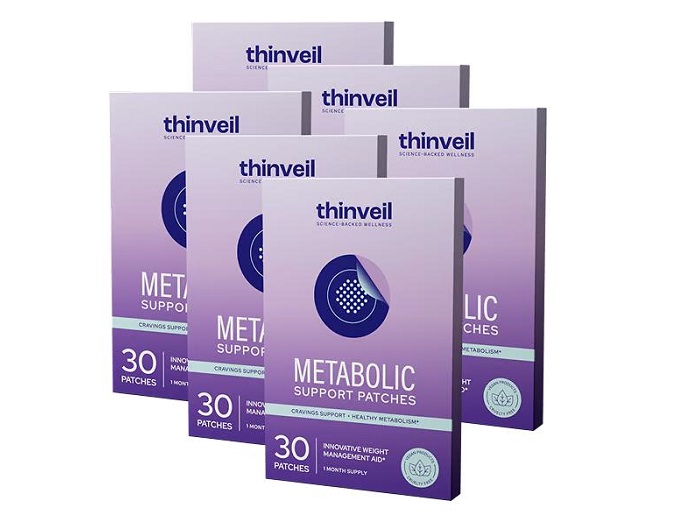
Transdermal wellness patches are everywhere right now. Between targeted social media videos and direct-response checkout pages, stick-on alternatives to standard dietary supplements are pulling in serious attention. Front and center in this wave is the Thinveil Patch, an adhesive square marketed directly through the official website. The premise sounds simple: peel off the backing, slap it on your arm, and let a blend of berberine, green tea extract, and ashwagandha curb your cravings around the clock without upsetting your stomach.
For anyone who gags on horse-sized capsules or deals with nausea from raw botanical powders, that pitch holds obvious appeal. But transdermal delivery is a complex medical science, not a catch-all shortcut. Sticking an herb onto your skin does not automatically mean your body can absorb it in amounts that make any difference to your metabolism.
This review takes a hard look at the Thinveil Patch from an independent consumer standpoint. We dig into the biology of skin absorption, break down what is actually in the adhesive layer, examine real customer experiences with the checkout process, and evaluate whether this product is worth your money.
What Is Thinveil Patch?
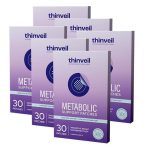
The Thinveil Patch is a single-use, adhesive topical square designed to be worn on the skin for 24 hours at a time. Sold primarily in resealable foil pouches containing a 30-day supply (30 patches), the product targets adults looking for help with appetite moderation, daily energy, and stress management without having to swallow pills.
The manufacturer positions the patch as a general lifestyle supplement. It is not an FDA-approved drug; it does not contain pharmaceutical compounds, and it does not replicate prescription injectable weight-loss medications.
Physically, the patch relies on a layered setup:
-
Outer protective backing: A water-resistant barrier film that shields the active ingredients from sweat, water, and clothing friction.
-
Botanical adhesive matrix: A direct-contact layer where ground herbal extracts, vitamins, and minerals sit suspended within a medical-grade contact adhesive.
-
Peel-away liner: A protective plastic film that you remove immediately before sticking the patch to dry skin.
How Does Thin Veil Patch Work?
The Manufacturer’s Stated Mechanism
The sales pitch relies on passive transdermal diffusion. The brand states that once the adhesive touches warm skin, your body heat activates the matrix, steadily releasing active compounds directly into tiny capillary blood vessels over a full day.
The main selling point here is skipping the stomach. Oral supplements—especially berberine—are notorious for poor intestinal absorption, nausea, stomach cramps, and sudden trips to the bathroom. Thinveil claims that bypassing the gut eliminates those side effects while delivering continuous support directly to your bloodstream.
The Problem With Skin Permeability
Topical delivery works wonders for a select group of medications, such as nicotine, fentanyl, and hormone therapy. But human skin is an evolutionary fortress, not a sponge. Its outermost layer, the stratum corneum, is specifically built to keep outside chemicals out.
For a compound to passively absorb through unbroken skin, medical science generally requires three things:
-
Tiny molecular size: Molecules must generally weigh under 500 Daltons to slip between skin cells.
-
Balanced solubility: The substance must dissolve well in both fats and water.
-
Extremely low required doses: Patches work best when a daily therapeutic dose fits into micrograms or a couple of milligrams.
This is where the science behind botanical patches breaks down. Berberine, green tea catechins, and ashwagandha root extracts are large, chemically complex compounds that struggle to cross skin lipids on their own. Without microneedles or specialized chemical permeation enhancers, these bulky molecules largely sit on the surface of your skin.
There is another catch: berberine’s best-documented metabolic benefits actually happen inside the gut, where it interacts directly with your microbiome and intestinal wall enzymes. Bypassing the digestive system bypasses the exact biological environment where berberine does most of its work. To date, no clinical trial has demonstrated that the finished Thinveil patch delivers measurable levels of these herbs into human blood.
Thinveil GLP-1 Patch Ingredients:
Thinveil lists eight active nutrients on its promotional pages. Notably, the seller never lists the exact milligram weight for each ingredient per patch. Without transparent dosing, buyers cannot verify if they are getting a functional amount or a trace dusting.
Berberine HCl
-
Stated role: Activating the metabolic enzyme AMPK to help manage blood sugar and reduce appetite.
-
The reality: Oral berberine has decent clinical backing for glycemic health, but effective studies rely on hefty oral doses: roughly 1,000 mg to 1,500 mg daily. Fitting that much raw powder onto a thin adhesive square is physically impossible, and passive skin absorption for berberine remains unproven in human trials.
Chromium
-
Stated role: Improving insulin sensitivity and curbing carb cravings.
-
The reality: Chromium is an essential trace mineral that the body uses in microgram quantities (usually 200–400 mcg). While the lower dose fits onto a patch far better than raw herbs, there is no solid proof that mineral salts travel through an adhesive matrix into your bloodstream without specialized carriers.
Zinc
-
Stated role: Supporting immune health, protein synthesis, and cellular enzymes.
-
The reality: Zinc works well in topical creams for soothing irritated skin and healing cuts. But using an intact skin patch to raise your systemic zinc levels for metabolic health is inefficient compared to basic dietary sources.
Green Tea Extract (EGCG)
-
Stated role: Delivering antioxidants and providing mild metabolic burn.
-
The reality: Epigallocatechin gallate (EGCG) is a delicate polyphenol. While oral green tea can slightly boost fat oxidation in active adults, EGCG oxidizes quickly and has very poor skin permeability through standard adhesives.
Vitamin B-Complex (B6, B12, Niacin)
-
Stated role: Keeping cellular energy production humming and preventing midday fatigue.
-
The reality: B vitamins are water-soluble. Vitamin B12 in particular is massive—over 1,350 Daltons—making passive diffusion through intact human skin virtually impossible without medical-grade skin puncture or active delivery systems.
5-HTP (5-Hydroxytryptophan)
-
Stated role: Boosting serotonin to ease emotional eating and curb late-night snacking.
-
The reality: When swallowed, 5-HTP readily crosses into the brain to synthesize serotonin. Systemic uptake through a generic adhesive patch, however, lacks published pharmacokinetic data.
L-Theanine
-
Stated role: Calming the nervous system and buffering stress hormones.
-
The reality: An amino acid found naturally in tea leaves, oral L-theanine promotes relaxed focus within an hour of ingestion. Applying it topically offers no proven advantage over drinking a cup of green tea.
Ashwagandha Root Extract (KSM-66)
-
Stated role: Modulating cortisol levels to balance everyday stress and reduce stress-induced appetite spikes.
-
The reality: KSM-66 is one of the most respected branded herbs in the wellness world. But oral clinical studies demonstrate reduced cortisol use at 300 mg to 600 mg of standardized extract per day. You simply cannot fit that mass of dense plant root into an adhesive sticker and expect it to soak through your skin.
Benefits & Practical Use Cases
Separating verified everyday convenience from unverified medical claims is essential when looking at this product.
Practical Advantages
-
Easy on the throat: If you struggle to swallow capsules or hate the taste of liquid herbal tinctures, a patch removes that hurdle entirely.
-
No upset stomach: High-dose oral berberine causes severe stomach cramps and loose stools for many users. Wearing a patch bypasses your stomach lining, eliminating direct gastric distress.
-
Simple daily habit: Putting on a single patch in the morning is easier to track than carrying pill organizers or timing doses around meals.
What the Marketing Leaves Out
-
No proven fat loss: The Federal Trade Commission (FTC) has warned consumers for years that topical patches have never been proven to melt fat or cause significant weight loss.
-
Not an over-the-counter GLP-1: Do not let clever ad copy fool you. A sticker with herbal extracts does not mimic the powerful hormonal action of prescription weight-loss medications.
-
Absorption remains theoretical: Bypassing the liver only matters if the ingredients actually reach your blood. Without third-party lab tests showing active levels in the bloodstream, the promise of “sustained all-day delivery” is an assumption, not a verified fact.
Who Should Use Thinveil Metabolic Support Patches?
Who Might Find It Practical
-
Adults with swallowing difficulties: If you deal with dysphagia or intense pill anxiety and want an easy way to experiment with botanical wellness habits.
-
Habit-trackers who like physical cues: Wearing a visible sticker on your arm can serve as a simple, tangible reminder to stick to your nutrition goals, drink more water, and avoid mindless grazing throughout the day.
Who Should Skip It
-
Anyone with sensitive skin or adhesive allergies: If medical tape or bandages make your skin itch, peel, or break out in hives, these patches will likely cause contact dermatitis.
-
People managing diabetes: Berberine and chromium can lower blood sugar. Anyone taking insulin, metformin, or other glucose-lowering drugs should avoid unsupervised metabolic supplements.
-
Pregnant or breastfeeding mothers: Berberine crosses the placenta and can increase bilirubin levels in infants, making it unsafe during pregnancy and lactation.
-
Anyone on prescription antidepressants: The patch lists 5-HTP, which alters serotonin production. Taking 5-HTP alongside SSRIs, SNRIs, or MAOIs carries a real risk of serotonin toxicity.
-
Buyers looking for measurable weight loss: If your primary goal is dropping significant weight without overhauling your nutrition and activity, this patch will not solve the problem.
Safety, Side Effects & Precautions
Topical supplements are often treated as completely harmless because they go on your skin instead of down your throat. That is an oversight.
Typical Adverse Reactions
-
Skin irritation and redness: The most common real-world side effect is simple contact dermatitis. The combination of synthetic adhesives and concentrated plant resins held tightly against warm skin for 24 hours frequently causes redness, itching, and dry peeling spots.
-
Headaches and nausea: Some users report lightheadedness or mild headaches, which may stem from unexpected reactions to 5-HTP or B vitamins.
Regulatory and Safety Reality
-
No pre-market FDA approval: In the United States, dietary products are not vetted for efficacy before they hit digital storefronts. Topical patches sit in a murky regulatory space: the FDA defines dietary supplements strictly as ingestible foods or liquids. That means topical patches are typically sold as general cosmetics, skipping even the baseline manufacturing rules required for swallowed vitamins.
-
No third-party testing seal: The brand provides no visible proof of independent testing by organizations like USP, NSF, or ConsumerLab to verify purity or ensure the patches are free of heavy metal contamination.
-
Regulatory history: The FTC has repeatedly taken action against weight-loss patch sellers over the last two decades, explicitly stating that consumers should be skeptical of any skin patch claiming to control weight.
Pros & Cons of Thinveil Metabolic Support Patch
| Pros | Cons |
| Zero swallowing required: Ideal for anyone with severe pill aversion or a sensitive gag reflex. | Doubtful skin absorption: Heavy botanicals like berberine and ashwagandha do not easily pass through human skin. |
| No direct stomach distress: Avoids the nausea, cramps, and diarrhea common with swallowed berberine. | Undisclosed ingredient doses: The seller does not list how many milligrams of each herb sit on the patch. |
| Familiar wellness ingredients: Features well-regarded botanicals and minerals (KSM-66, EGCG, Chromium). | Skin irritation risks: Medical adhesive can cause itching, rash, or skin peeling after hours of wear. |
| Low-profile design: Sits flat under shirts and sleeves without drawing attention. | Aggressive checkout funnels: Buyers report multiple unexpected upsell screens after entering payment details. |
| Simple morning routine: Stick it on once and forget about it for the rest of the day. | Poor value per milligram: Costs significantly more than high-grade, third-party-tested oral capsules. |
Customer Feedback: What Do Buyers Say?
Looking across independent platforms like Trustpilot, the feedback tells a very different story from the glowing testimonials on the product’s sales page.
The Positive Notes
A handful of customers appreciate the physical design of the patch. Users note that it sticks securely through daily showers, holds up during light workouts, and peels off relatively cleanly if removed carefully. Some buyers mention feeling less tempted by afternoon snacks, though many candidly admit they were also paying much closer attention to their calorie intake while wearing it.
The Common Complaints
-
Post-purchase billing surprises: By far the loudest complaint involves the checkout process on the official website. Many shoppers report entering their card information to buy a single pouch, only to be hit with back-to-back upsell screens. Clicking through without reading closely often adds extra pouches, digital guides, or recurring subscription charges that cause total bills to spike.
-
No noticeable physical change: A large segment of buyers report zero change in hunger levels, energy, or body weight after weeks of daily use.
-
Persistent skin rashes: Several users describe itchy red squares on their shoulders or thighs that lasted for days after taking the patch off.
-
Customer service runarounds: Disappointed buyers frequently cite slow email replies, non-working phone numbers, and steep pushback when trying to claim advertised money-back guarantees.
Pricing, Warranty or Refund Policy
Thinveil relies on a tiered pricing ladder that uses inflated “original” prices to make bulk bundles look like steep discounts.
Advertised Pricing
-
Single pouch (30 patches / 1 month): Typically listed at roughly $49.99 to €49.99 (with an alleged retail price crossed out at $149.00).
-
Multi-pouch bundles (3 to 6 months): Drops the per-unit price down to roughly $29.99 to $39.99 per pouch when you buy in bulk.
-
Shipping fees: Single-pouch orders generally carry an added shipping fee of $4.99 to $9.99, while larger bundles sometimes offer free standard shipping.
Watch the Checkout Screens Closely
If you decide to buy, slow down at the payment step:
-
Beware the one-click upsells: After submitting your credit card number, the checkout funnel routinely redirects through three or four secondary sales screens. Clicking anywhere near the confirmation buttons can immediately bill your card for bonus packs or companion products.
-
Check for recurring billing toggles: Ensure you are selecting a one-time purchase. Default checkboxes often enroll customers in monthly auto-ship programs that keep billing until manually stopped.
The Reality of the Money-Back Guarantee
While the sales page advertises a 30-day or 60-day refund window, the fine print in the terms of service tells a stricter story:
-
Refunds are usually restricted to unopened pouches in original factory packaging.
-
Once you tear open a pouch to test a patch on your skin, that pack is generally classified as used and non-refundable for hygiene reasons.
-
You will have to pay your own return postage to send packages back, and initial shipping charges are never refunded.
Frequently Asked Questions (FAQs)
Q. What is the Thin Veil Patch used for?
The patch is sold as a daily topical wellness aid aimed at helping adults manage cravings, support daily metabolic energy, and handle everyday stress without swallowing pills or capsules.
Q. Does the Thinveil Patch actually help you lose weight?
There is no reliable scientific proof that the Thinveil Patch causes weight loss. While its herbs have been studied in oral forms, large botanical compounds do not readily cross the skin to affect body fat, and the FTC explicitly warns that skin patches do not cause weight loss.
Q. Where should I apply the patch?
The company advises sticking one patch daily to clean, dry, hairless skin—such as the upper outer arm, shoulder blade, or lower hip. Always rotate the spot each day to prevent the adhesive from inflaming the same patch of skin.
Q. Can I shower or swim while wearing it?
Yes. The patch uses a water-resistant adhesive designed to stay stuck during brief showers, sweat, and regular daily movement.
Q. What ingredients are in the Thinveil Patch?
The formula lists Berberine HCl, Chromium, Zinc, Green Tea Extract (EGCG), Vitamin B-Complex, 5-HTP, L-Theanine, and KSM-66 Ashwagandha. The exact milligram quantity of each ingredient per patch is not disclosed.
Q. Is the Thinveil Patch approved by the FDA?
No. Over-the-counter dietary products and cosmetic wellness patches do not undergo pre-market evaluation or approval by the FDA.
Q. Why do so many customer reviews mention billing issues?
The brand’s checkout software routes customers through several rapid post-payment upsell screens. Shoppers who click quickly without reading each page closely often discover they accidentally added extra pouches or recurring auto-ship plans to their order.
Final Verdict
The idea behind the Thinveil Patch is easy to understand. Swallowing huge berberine capsules is unpleasant, and the stomach cramps that often follow can ruin your day. Putting those same ingredients into a clean, water-resistant patch sounds like the ideal modern workaround.
The science simply does not back it up. Large, dense herbal molecules like berberine and ashwagandha do not absorb effectively through intact human skin without advanced clinical delivery systems. On top of that, the seller keeps the actual ingredient dosages hidden, enforces strict refund terms that exclude opened pouches, and runs a checkout funnel that generates steady complaints about billing surprises.
If you struggle with pill fatigue, wearing an adhesive patch might provide a helpful mental habit cue. But if your goal is tangible metabolic support or meaningful weight management, your money is far better spent on third-party-tested oral supplements paired with a straightforward, balanced diet.