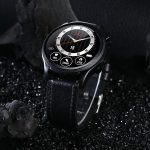
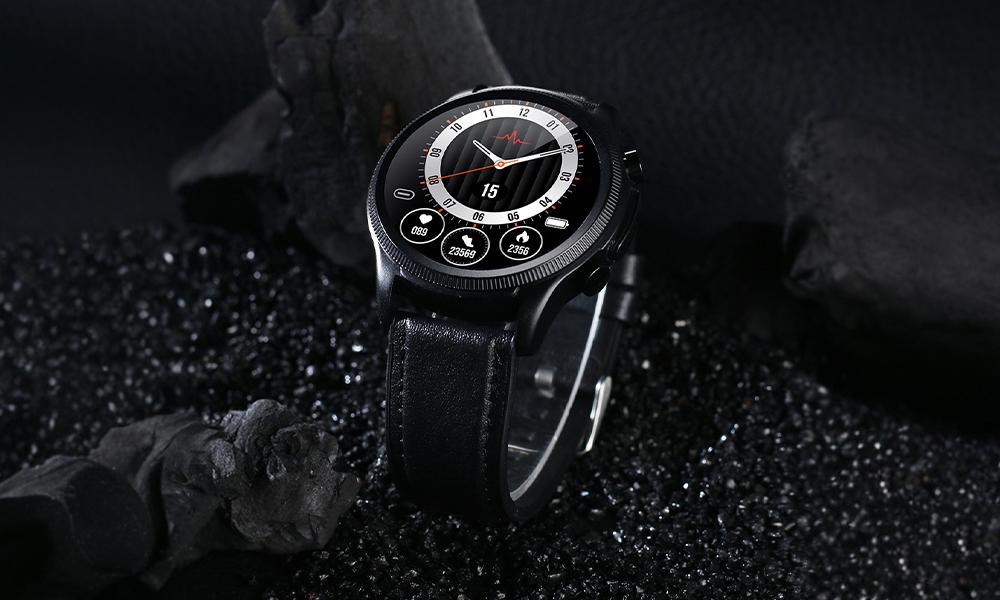
The Aptofit SmartWatch is a budget, direct-to-consumer wearable built for people who want basic fitness tracking and phone alerts without spending hundreds of dollars on an Apple Watch, Samsung Galaxy Watch, or Garmin.
Its main appeal is straightforward: a lower upfront price and a simpler experience. Many shoppers just want to count their daily steps, check how long they slept, and see who is texting them without dealing with a complicated setup or a monthly subscription.
Still, buying a lesser-known smartwatch online comes with real trade-offs. Before you enter your credit card details, you need answers to a few practical questions: How reliable are the health sensors? Which phone app does the watch require? Will the hardware hold up past a few months? And if it doesn’t work as expected, how hard is it to get a refund?
This guide breaks down what the Aptofit SmartWatch is designed to do, how optical wrist sensors actually work, where low-cost wearables tend to fall short, and what to check before ordering. Because live technical specs, independent lab tests, and current checkout terms could not be independently verified, we separate general facts about budget smartwatch technology from the product-specific details you will need to confirm directly with the seller.
What Is Aptofit SmartWatch?
The Aptofit SmartWatch is a wrist-worn activity tracker and basic smartwatch sold directly to consumers online. It sits in the entry-level tier of wearables—more capable than a simple clip-on pedometer, but far simpler than a flagship smartwatch.
Watches in this price bracket are built for casual, everyday use. Instead of running full app platforms like Apple’s watchOS or Google’s Wear OS, they use lightweight, proprietary software. That keeps the price down and usually stretches battery life to several days, but it also means you won’t get third-party apps, tap-to-pay wallets, or standalone cellular service.
Just as important is what this watch is not. It is not a medical device, and it cannot diagnose or monitor health conditions. It is also not built to compete with dedicated sports watches that offer multi-band GPS, detailed training loads, or ruggedized cases.
How Does Aptofit SmartWatch Work?
Knowing what happens under the hood makes it much easier to judge whether a budget smartwatch’s numbers are worth trusting. Most entry-level models rely on three standard components: optical sensors, motion sensors, and a Bluetooth link to your phone.
- Optical Heart Rate and Blood Oxygen Tracking
Wrist-worn trackers estimate heart rate using photoplethysmography (PPG). Tiny LEDs on the underside of the watch shine light into your skin, and a sensor measures how much light bounces back. Because blood absorbs light differently as your heart beats, the watch’s software translates those changes into beats per minute.
Some budget watches also use red and infrared LEDs to estimate blood oxygen levels (SpO2). PPG is standard across the wearable industry, but accuracy depends heavily on sensor quality, a snug fit, skin tone, tattoos, and software tuning. Independent studies on consumer wearables generally show that wrist sensors do a decent job while you’re sitting still, but accuracy drops during fast movement, weight lifting, or interval workouts. No independent lab or clinical tests verify the Aptofit SmartWatch’s sensors.
- Step Counting and Sleep Estimates
Step counts, distance, and basic workout tracking come from an internal accelerometer—a small chip that detects movement. Software reads rhythmic arm swings as steps. That works fine for steady walking, though it can miscount when your arms move without walking (like folding laundry) or miss steps when your wrist stays still (like pushing a grocery cart).
Sleep tracking usually pairs that motion data with heart rate readings to guess when you fell asleep, when you woke up, and how much time you spent in light or deep sleep. Even on $400 smartwatches, wrist-based sleep stages are rough estimates, not clinical sleep studies.
- Phone Syncing
Budget smartwatches connect to your phone over Bluetooth Low Energy (BLE). They depend on a companion smartphone app to save your history, change watch faces, and forward call or text alerts. If the app is buggy or stops getting updates, the watch loses much of its value.
Aptofit Features Breakdown
Because verified spec sheets for the current Aptofit SmartWatch hardware revision were not available, the table below outlines the core feature areas you should inspect before buying this model—or any similar direct-to-consumer smartwatch.
| Feature Area | What Budget Smartwatches Usually Offer | Limitations to Watch For |
| Activity Tracking | Daily steps, estimated distance, calorie burn, basic workout modes | Calorie counts are rough guesses; usually relies on your phone’s GPS rather than built-in GPS |
| Wellness Metrics | Heart rate, sleep duration, sometimes SpO2 or blood pressure estimates | Not clinically validated; cuffless wrist blood pressure readings are generally unreliable |
| Display & Controls | Color touchscreen with swipe menus and a side button | Screen brightness in direct sunlight and scratch resistance vary widely |
| Notifications | Incoming call, text, and app alerts over Bluetooth | Usually read-only; rarely supports typing replies or voice assistants |
| Battery & Charging | Proprietary magnetic USB cable; multi-day battery life | Continuous heart rate tracking and high brightness drain the battery faster |
| Water Resistance | Basic splash or sweat resistance (often IP67 or IP68) | Splash-proof does not mean swim-proof or safe in hot showers |
- Activity and Workout Tracking
If you mostly walk and want a gentle nudge to stay active, a basic accelerometer is usually enough. Runners, cyclists, and hikers should look closer: check whether the watch has built-in GPS or “connected GPS.” Connected GPS forces you to carry your phone on every run if you want a route map and accurate pace.
- Health and Wellness Metrics
Many low-cost wearables advertise a long list of health readings, sometimes including blood pressure alongside heart rate and SpO2. Treat wrist-based blood pressure numbers without an inflatable cuff with heavy skepticism. Standard optical sensors in budget watches cannot reliably measure blood pressure.
- Build Quality and Comfort
A watch only helps if you actually wear it. Lightweight plastic or alloy cases with silicone straps are usually comfortable enough for all-day wear and sleep tracking, though cheaper screen glass tends to scratch faster than the reinforced glass on pricier models.
- Companion App
The companion app is often the biggest make-or-break factor with off-brand smartwatches. Before ordering, find out the exact name of the app the Aptofit SmartWatch uses. Look it up on the Apple App Store or Google Play Store and check recent reviews for complaints about constant Bluetooth drops, aggressive ads, or broken notifications.
Benefits & Practical Use Cases
If you go in with realistic expectations, a budget smartwatch can still be genuinely useful in a few everyday situations:
-
Low-cost habit tracking: If you want a simple reminder to stand up, move more, and hit a daily step goal, an affordable watch gets the job done without a big financial commitment.
-
Quick wrist alerts: Glancing at your wrist to see who is calling or texting—while your phone stays in your pocket or bag—is convenient, even if you can’t type a reply from the watch.
-
Less frequent charging: Lightweight software uses less power. Many entry-level watches run for several days on a single charge, skipping the nightly charging habit required by many flagship models.
-
A low-stakes test run: If you aren’t sure whether you’ll even like wearing a watch all day or sleeping with one on, starting with a cheap model is a practical way to find out before spending $200 to $400.
Those upsides come with clear compromises. Lower prices usually mean less polished software, shorter update support, limited customer service, and unverified sensor accuracy. If you expect medical-grade tracking or tight phone integration, a budget model will feel frustrating fast.
Who Should Use Aptofit Smart Watch?
The Aptofit SmartWatch makes sense for a specific type of shopper, while other buyers will be much happier with an established brand.
It may fit well if you are:
-
A casual tracker who wants a rough look at daily steps, movement trends, and sleep hours rather than lab-grade data.
-
A first-time wearable buyer testing out basic phone notifications and fitness reminders without paying flagship prices.
-
A budget-focused shopper who wants a straightforward watch with no monthly membership fees.
You should probably look elsewhere if you are:
-
A serious runner, cyclist, or athlete who needs reliable built-in GPS, accurate high-intensity heart rate zones, and structured training data.
-
Managing a medical condition and need clinically validated heart rhythm, blood pressure, or blood oxygen monitoring.
-
A smartphone power user who wants contactless payments, offline music apps, voice replies, or seamless syncing with Apple Health or Google Fit.
-
A swimmer, unless the seller explicitly confirms a swimming-grade water-resistance rating (typically 5 ATM or higher).
Safety, Side Effects & Precautions
Even though a smartwatch sits on your wrist rather than going inside your body, there are still a few safety and privacy basics to keep in mind.
- Not a Medical Device
The Aptofit SmartWatch is not independently verified as FDA-cleared or FDA-approved. Never use a budget smartwatch to diagnose a condition, change your medication, or ignore physical symptoms. If you feel chest pain, dizziness, shortness of breath, or an irregular heartbeat, talk to a doctor—no matter what your watch says.
- Skin Irritation
Wearing any watch tightly for hours can cause redness, itching, or contact dermatitis. Trapped sweat, soap residue, friction, or sensitivities to silicone bands and metal clasps are the usual culprits. Rinse and dry the strap regularly, give your wrist occasional breaks, and don’t cinch the band too tightly.
- Battery and Charging Care
Smartwatches use small lithium-ion batteries. Stick to the included charging cable and a standard, certified low-power USB adapter. Stop using the watch if the casing or cable is damaged, and avoid leaving it in extreme heat, like on a car dashboard in summer.
- Data Privacy
Because the watch syncs your activity and phone alerts through a companion app, take a minute to review the app’s privacy policy and permissions. Don’t grant constant background location access if you aren’t using connected GPS, and check what account data the app collects.
Pros & Cons of Aptofit Smart Watch
| Pros | Cons |
| Positioned as an affordable alternative to flagship smartwatches | No independent lab testing or clinical accuracy data available |
| Covers everyday basics like step counts, sleep estimates, and phone alerts | Key specs (exact sensors, water resistance, app name) require direct verification |
| Lightweight software in this category typically delivers multi-day battery life | Lacks third-party apps, contactless payments, and advanced smart features |
| Low-commitment way to test wearable habit tracking | Direct-to-consumer return, refund, and warranty terms can be stricter than major retailers |
Customer Feedback: What Do Buyers Say?
Independent, verifiable customer reviews specifically for the Aptofit SmartWatch are scarce across major testing publications and standard retail sites. While direct-to-consumer sales pages usually feature glowing testimonials and high star ratings, seller-hosted reviews are marketing material—not independent proof of how the watch performs over time.
Because reliable third-party review volume is limited, there isn’t enough evidence to establish a clear pattern for long-term durability, sensor accuracy, or customer service quality.
If you’re researching a direct-to-consumer smartwatch, look past the official sales page. Check independent consumer forums, third-party complaint boards, and—most importantly—the app store reviews for the watch’s companion app. In this category, the most useful buyer feedback usually centers on four things:
-
Connection stability: Does the watch stay paired to the phone, or does it disconnect constantly?
-
Battery and charger durability: Does the battery still hold a charge after a few months, and does the magnetic charger stay put?
-
Everyday accuracy: Do step counts and heart rate readings feel consistent during normal walks?
-
Customer support: How smoothly does the company handle defective units, exchanges, and refunds?
Until more verified, independent reviews are available, take both overly enthusiastic praise and unverified complaints with a grain of salt.
Pricing, Warranty or Refund Policy
Live pricing, promotional discounts, multi-pack bundles, shipping costs, and exact refund rules for the Aptofit SmartWatch could not be independently confirmed. Direct-to-consumer wearable sellers frequently rotate offers, bundle tiers, and regional pricing without notice.
Before you submit payment on any direct-to-consumer checkout page, verify these details directly in the order summary and policy fine print:
-
Final total: Check the full price with shipping, handling, and taxes included—not just the advertised per-watch bundle rate.
-
Pre-checked add-ons: Watch for pre-selected boxes at checkout, such as extended warranties, rush shipping, or optional app subscriptions.
-
Return window and rules: Confirm how many days you have to return the watch (often 30 days from delivery, though it varies), whether opened boxes are eligible, and whether you need a return authorization number first.
-
Return shipping and fees: Check if you have to pay return shipping yourself and whether the seller deducts a restocking or processing fee.
-
Warranty coverage: Confirm whether a standard manufacturer warranty is included free, how long it lasts, and what defects it actually covers.
-
Support contact: Make sure a working support email, portal, or phone number is clearly listed before you buy.
Taking a quick screenshot of your order confirmation and the refund policy at checkout is a smart habit whenever you order from an unfamiliar website.
Frequently Asked Questions (FAQs)
Q. What is the Aptofit SmartWatch used for?
It is a budget wearable designed for basic daily activity tracking, general wellness estimates (like step counts, sleep duration, and optical heart rate), and smartphone notifications. It is meant for casual everyday use rather than serious athletic training or medical monitoring.
Q. Is the Aptofit Smart Watch accurate enough for medical monitoring?
No. No independent clinical validation data for the Aptofit SmartWatch was located. Like most budget consumer wearables, its numbers are general wellness estimates. It is not a medical device and should not be used to diagnose, monitor, or treat any health condition.
Q. Does it work with both iPhone and Android?
Most entry-level smartwatches pair with both iOS and Android phones over Bluetooth using a companion app. Because exact app and software requirements could not be independently verified, confirm compatibility on the official product page before ordering.
Q. Can you swim or shower with the Aptofit SmartWatch?
Don’t assume it is swim-proof unless the official specs explicitly list a swimming-grade rating (like 5 ATM). Many budget watches only carry basic splash resistance (such as IP67), which handles sweat and light rain but isn’t built for swimming or hot showers.
Q. Does the watch require a monthly subscription?
Most direct-to-consumer budget smartwatches do not charge a monthly fee for basic step, sleep, and heart rate tracking. Still, check the checkout page and companion app terms to make sure no optional recurring memberships are attached to your order.
Q. How does it compare with established budget brands?
Established budget wearables—like entry-level models from Amazfit, Xiaomi, or Fitbit—usually offer clearer published specs, widely reviewed companion apps, predictable retail return policies, and broader independent testing. A direct-to-consumer watch like Aptofit may look tempting on sale, but it comes with more uncertainty around software support and longevity.
Q. What is the warranty and refund policy?
Exact warranty length and refund rules could not be verified from live documentation. Before buying, read the official terms page to check the return window, whether opened items can be refunded, who pays return shipping, and if restocking fees apply.
Q. What should I check before ordering?
Verify the exact hardware specs (especially water resistance, GPS type, and the companion app’s name), check the final checkout total with shipping, uncheck any unwanted add-ons, and read the refund policy before paying.
Final Verdict
The Aptofit SmartWatch fits a familiar mold: an affordable, direct-to-consumer wearable aimed at shoppers who want basic step tracking and wrist notifications without paying flagship prices. For casual users who just want a simple daily nudge to move more—or a cheap way to see if they even like wearing a smartwatch—an entry-level model can be practical.
The catch is what remains unknown. Independent lab testing, verified long-term customer reviews, and confirmed live specs—including exact sensor capabilities, water-resistance ratings, companion app quality, and return terms—could not be independently verified. Without that track record, you shouldn’t assume the health readings are highly accurate or that the software will hold up long-term.
If you want predictable app reliability, documented specs, and hassle-free retail returns, an entry-level model from an established wearable brand is usually the safer bet. If you still decide to try the Aptofit SmartWatch, treat its health numbers as rough estimates, double-check the specs and companion app first, and read the full refund and shipping terms before you hit “buy.”