Electric bills keep climbing, which makes a small device you can plug into any wall outlet to cut monthly costs sound appealing. WattSaver is one of several plug-in “power savers” sold online with that exact pitch. It promises to stabilize household electrical current and lower utility bills without rewiring, apps, or an electrician.
Before spending money on a gadget like this, it helps to look past the sales pitch and ask a few basic questions. How is it supposed to cut your bill? Does that match how residential utility meters actually measure electricity? And is there any independent proof that the hardware is safe to leave plugged in around the clock?
This guide breaks down what WattSaver is, how plug-in power-factor devices work under the hood, what technical details are missing, and which energy-saving upgrades actually deliver measurable results.
What Is LifeGauge WattSaver?
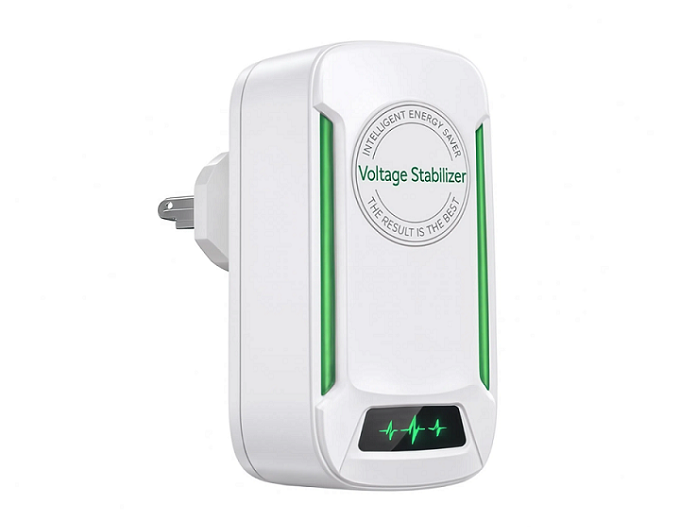
WattSaver is a small plastic plug-in accessory built to sit in a standard household wall outlet. Like many similar devices sold through direct-to-consumer websites, it follows a white-label model—meaning the same basic hardware often shows up under different brand names across multiple online storefronts.
The seller markets WattSaver for homes, apartments, and small offices. There is no setup menu or pairing process. You plug it in, check that the small indicator light turns on, and leave it there. Inside the shell, devices in this category typically house a basic circuit board, a few resistors, an LED light, and a small capacitor.
It helps to be clear about what WattSaver does not do:
-
It is not a smart energy monitor. It cannot connect to Wi-Fi, track kilowatt-hour (kWh) usage, or tell you which appliances are driving up your bill.
-
It is not a whole-home surge protector. A tiny plug-in box cannot replace a UL-listed surge protection device wired into your main breaker panel.
-
It does not generate or store power. It will not offset grid usage the way solar panels or a home battery backup can.
How Does WattSaver Work?
To figure out whether WattSaver can actually save you money, you have to separate the marketing explanation from basic electrical engineering.
What the Seller Claims
Sales pages for WattSaver and similar plug-in boxes usually point to three things:
-
Power factor correction: An internal capacitor balances the timing between voltage and current on your home wiring.
-
Voltage stabilization: The unit smooths out minor dips and spikes so appliances run more efficiently.
-
Filtering “dirty electricity”: The circuit cuts down on electrical noise traveling through your outlets.
According to the marketing, those three effects keep appliances running cooler, reduce wasted power, and shrink your monthly electric bill.
How Residential Electricity Billing Actually Works
Power factor correction is a real engineering concept, just not one that lowers a standard home electric bill.
Appliances with motors—like refrigerators, central air conditioners, and washing machines—draw two kinds of electrical power:
-
Active power (watts or kilowatts, kW): The energy that does actual work, like spinning a compressor or heating a coil.
-
Reactive power (volt-amperes reactive, VAR): The energy used to build and collapse magnetic fields inside motors. It bounces back and forth between the grid and the appliance without doing physical work.
Large factories with dozens of heavy motors get penalized by utility companies for poor power factor, because reactive power forces the utility to push extra current through its lines. Those facilities install massive, professionally engineered capacitor banks to avoid extra fees.
Homeowners are not billed that way. Standard residential electric meters only measure active power over time—kilowatt-hours (kWh). They do not charge you for reactive power. Even if a small plug-in capacitor slightly nudges the power factor on a single outlet, your meter still records the exact same kWh used by your fridge or air conditioner.
Independent teardowns and lab tests of comparable plug-in power savers by consumer groups, electrical engineers, and utilities have turned up the same results over and over:
-
The capacitors inside these small plastic boxes are far too undersized to make a meaningful difference across an entire home’s wiring.
-
Because the unit powers an LED light and internal circuitry 24/7, it draws a small amount of active power itself—technically adding a tiny bit to your bill rather than subtracting from it.
-
No independent testing was found showing that WattSaver reduces residential kWh consumption.
LifeGauge Watt Saver Features Breakdown
Since WattSaver is a piece of hardware rather than a consumable product, the real story lies in its physical design and the technical specs the seller leaves out.
Observable Features
-
Plug-and-play use: Plugs straight into a wall outlet with no tools or wiring.
-
Compact housing: Built to fit a standard receptacle, though bulky plug-in bodies can sometimes crowd the second outlet on the same faceplate.
-
LED status light: Glows to confirm the outlet has power.
-
No upkeep: No filters, batteries, or app updates to manage.
Missing Technical Specs
For any electrical gadget meant to stay plugged into live household current all day and night, buyers should expect clear ratings. Those details are largely missing for WattSaver:
| Technical Specification | Why It Matters | Status for WattSaver |
| Capacitance rating (microfarads, µF) | Shows whether the internal capacitor is large enough to affect reactive power at all. | Not disclosed |
| Voltage and frequency rating | Confirms safe compatibility with North American 120V / 60Hz outlets. | Broadly described as fitting “standard outlets”; no formal datasheet verified |
| Joule rating/clamping voltage | Needed to verify whether a device offers real surge protection. | Not disclosed |
| Safety listing (UL, ETL, or CSA) | Confirms an independent lab tested the unit for fire, shock, and heat hazards. | Not independently verified |
| Standby power draw (watts) | Tells you how much electricity the device itself uses around the clock. | Not disclosed |
Without published ratings or independent lab reports, there is no way to verify the quality of the internal parts before plugging the unit into your wall.
Benefits & Practical Use Cases
Separating what the hardware actually does from what the ads promise keeps expectations grounded.
Practical Advantages
-
Effortless setup: Plugging it into an outlet takes two seconds.
-
Zero maintenance: Once it is in the wall, you do not have to touch it.
Unverified Claims
-
Lower monthly electric bills: This is the main reason people buy it, yet there is no independent evidence that plug-in power-factor boxes cut residential kWh usage.
-
Longer appliance life: Sellers often claim smoother current protects motors from wear. Legitimate whole-home surge protectors can guard against major voltage spikes, but there is no proof WattSaver provides measurable surge suppression.
Who Should Use LifeGauge WattSaver Device?
Given how home electric meters work and the lack of independent test data, the practical audience for WattSaver is very small.
Who might still try it:
-
Shoppers who are curious about plug-in power-factor gadgets, have read the seller’s exact return policy beforehand, and are fine testing one with no guarantee of seeing a lower bill.
Who should skip it:
-
Anyone looking for a reliable drop in monthly utility costs: Your money goes much further on LED bulbs, weatherstripping, a smart thermostat, or a utility-sponsored home energy audit.
-
Buyers who want real surge protection: Look for a UL 1449-listed surge protector with a published joule rating and clamping voltage instead.
-
Budget-conscious households: Buying multi-unit bundles of an unverified accessory carries a high chance of zero return on your money.
Safety, Side Effects & Precautions
Anything that stays plugged into a live wall outlet 24 hours a day deserves a close look for safety.
Third-Party Safety Certifications
In the United States, trustworthy plug-in electronics carry marks from Nationally Recognized Testing Laboratories (NRTLs) like UL (Underwriters Laboratories), ETL (Intertek), or CSA. Those stamps mean an independent lab tested the plastic housing for fire resistance and checked how the internal wiring handles faults and heat.
Before plugging WattSaver in, check the back of the unit for a real UL, ETL, or CSA mark with a verifiable file number. A generic CE mark is self-declared for European markets and does not verify North American electrical safety compliance.
Electrical and Heat Risks
-
Capacitor wear: Cheap capacitors running continuously on AC wall current can degrade over time, sometimes swelling, overheating, or shorting out.
-
Heat buildup: Uncertified housings with poor ventilation can get warm during nonstop use.
-
Bad placement: Plugging uncertified hardware into loose outlets, overloaded power strips, or damp spaces like bathrooms and garages raises the risk of an electrical fault.
Basic Precautions
If you already have a WattSaver and plan to use it:
-
Plug it straight into a tight, undamaged indoor wall outlet—never into an extension cord or daisy-chained power strip.
-
Feel the plastic shell occasionally during the first few days. If it feels hot, buzzes, or smells like burning plastic or chemicals, unplug it right away and stop using it.
-
Keep it clear of curtains, bedding, paper, and anything else that can catch fire.
Pros & Cons of LifeGauge WattSaver Device
| Pros | Cons |
| Plug-and-play setup with no wiring or tools | No independent proof that it lowers residential electric bills (kWh) |
| Small footprint fits standard wall outlets | Home utility meters do not bill for reactive power |
| No ongoing maintenance or app setup | Core specs (capacitance, joule rating, standby draw) are not published |
| Easy to order online | Third-party safety listings (UL, ETL, CSA) are not independently verified |
| — | Bundle pricing and return rules vary across different sales pages |
Customer Feedback: What Do Buyers Say?
Sorting through feedback on WattSaver means separating testimonials on the seller’s own website from independent buyer reports.
Promotional pages for plug-in energy savers almost always showcase glowing reviews claiming big drops in monthly bills. Because the seller picks those quotes and nobody can audit them, they do not tell you what a typical buyer experiences.
On independent consumer forums, complaint boards, and electrical discussion groups, feedback on plug-in power savers as a category tends to follow a few clear patterns:
-
No change in electric bills: Many buyers report seeing zero drop in their monthly utility costs after a billing cycle or two, pointing out that outdoor temperatures drive their bills far more than the device.
-
Lightweight build: Buyers who inspect or crack open similar units often mention thin plastic shells and sparse internal circuitry.
-
Return headaches: Some shoppers buying through direct-response checkout pages run into confusion over return authorizations, restocking fees, or paying for return shipping out of pocket.
Verified, third-party review volume specifically under the “WattSaver” name is thin, largely because identical hardware gets sold under multiple brand names. There is not enough independent data to calculate a reliable satisfaction rate, though the complaints that do exist line up closely with what electrical engineers say about the technology.
Pricing, Warranty or Refund Policy
WattSaver is sold through direct-to-consumer online checkout pages rather than major hardware stores or big-box retailers.
Pricing Structure
Sellers in this space usually rely on tiered bundles—a base price for one unit, paired with discounted multi-packs (two, three, or four+ units) pitched for larger homes. Because promotional discounts, shipping fees, and taxes change frequently depending on which ad or landing page you click, there is no fixed standard retail price to verify.
What to Check Before Paying
If you decide to order from any direct-response checkout portal, read the linked Terms and Conditions, Return Policy, and Shipping Policy before entering your card details. Watch for:
-
Return windows: Check how many days you have to send it back, whether the clock starts on the order date or delivery date, and whether opened units qualify for a full refund.
-
Return shipping and restocking fees: Many direct-to-consumer sellers make buyers cover return postage and may deduct a restocking or handling fee.
-
Pre-checked add-ons: Look out for optional extended warranties, shipping insurance, or upsells that might be checked by default.
-
One-time vs. recurring charges: Confirm you are paying once and not signing up for a subscription or membership.
-
Support contact info: Save your order confirmation email, the merchant name that will appear on your card statement, and the customer service email or phone number.
Frequently Asked Questions (FAQs)
Q. What is WattSaver used for?
WattSaver is a plug-in electrical accessory marketed to homeowners and renters to stabilize household current and lower monthly electricity bills. It plugs into a standard wall outlet and runs passively without apps or wiring.
Q. Does WattSaver actually lower residential electric bills?
There is no independent evidence that WattSaver lowers home electric bills. Standard residential utility meters bill for active power (kWh), not reactive power. Even if a small plug-in capacitor shifts power factor slightly on one circuit, it does not reduce the kWh your meter records.
Q. How do you install WattSaver?
You plug it straight into a standard indoor wall outlet. An LED light turns on to show the unit has power. No tools, electrician, or configuration are needed.
Q. Is WattSaver safe to leave plugged in all the time?
Independent third-party safety certifications (like UL, ETL, or CSA) for WattSaver were not verified in public databases. Any electrical device left plugged in nonstop should carry a legitimate NRTL safety mark. If any plug-in device gets hot, buzzes, or smells strange, unplug it immediately.
Q. How many WattSaver units do sellers recommend?
Sales pages often suggest buying multiple units based on your home’s square footage. Because the core mechanism does not reduce residential kWh billing, plugging in more units does not solve that limitation.
Q. What is the refund policy for WattSaver?
Return windows, refund eligibility, and return shipping costs depend on the specific checkout portal you buy from. Read the seller’s Return Policy and Terms of Service carefully before paying, and keep copies of your receipt.
Q. What are better ways to lower an electric bill?
Proven ways to cut residential kWh usage include installing a smart or programmable thermostat, swapping old bulbs for LEDs, sealing air leaks around doors and windows, using smart power strips to kill standby power, and booking a home energy audit through your local utility.
Final Verdict
WattSaver taps into a simple wish: cutting your monthly electric bill without doing any real work. Its plug-and-play design is effortless, with no wiring, apps, or upkeep.
The problem is that the core promise does not line up with how home electricity is billed. Utility companies charge households for active power (kWh), not reactive power, and there is no independent evidence showing WattSaver reduces kWh usage. On top of that, the lack of published technical specs and verified third-party safety certifications (like UL or ETL) leaves major unanswered questions for a device meant to stay plugged into a wall outlet 24/7.
For most people, WattSaver is hard to justify. If you want a real, measurable drop in your monthly utility bill, your money is much better spent on proven upgrades—like LED lighting, a smart thermostat, basic weatherization, or a utility-sponsored energy audit—where the savings are documented and clear.