Heylo Heater is commonly marketed online as a compact, plug‑in “smart” space heater that promises instant whole‑room warmth, large energy savings, and thousands of five‑star reviews, but independent checks show that it is essentially a small low‑wattage ceramic heater with heavily exaggerated claims and multiple red flags around branding, performance, and customer support.
What Is Heylo Heater?
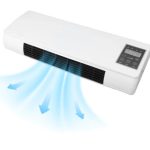
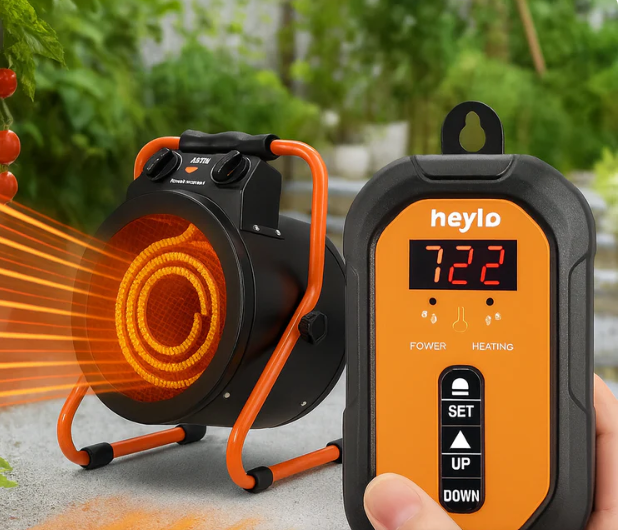
In trending winter ads and landing pages, “Heylo Heater” or “Heylo Portable Heater” is presented as a mini electric heater that plugs into a wall outlet and allegedly heats rooms, garages, and even greenhouses in seconds while using far less energy than conventional space heaters. The marketing typically highlights features like instant ceramic heat, whisper‑quiet operation, digital temperature control, and dramatic energy‑bill reductions, often paired with urgency banners, heavy discounts, and unverified testimonials.
However, independent reviewers and consumer‑protection blogs consistently classify Heylo Heater as part of a family of rebranded low‑power plug‑in heaters sold under many names each winter, with similar plastic housings, small ceramic elements, and modest wattage. These units can provide some local personal warmth when used at close range, but they are not realistically capable of heating large rooms, garages, or poorly insulated spaces as the marketing suggests.
Brand Background and Real Heylo Products
The name “Heylo” can be confusing because there is also a long‑standing German brand, HEYLO Climate Solutions, that legitimately manufactures industrial heaters, dehumidifiers, and climate equipment for construction and commercial use. That company’s portfolio includes robust electric fan heaters (DE / DE XL series), oil‑fired heaters (K series), and other professional‑grade products designed for building sites, warehouses, workshops, and events.
By contrast, the viral “Heylo Portable Heater” being advertised to consumers as a tiny plug‑in room heater is typically a separate, generic product line marketed via direct‑response websites and aggressive seasonal ads. Reviews and investigations point out that these plug‑in units share their hardware with generic heaters sourced from low‑cost manufacturers and then rebranded for specific campaigns, often with limited transparency about the actual producer.
Key Features Claimed vs Reality
Marketing Claims
Promotional pages and video ads for Heylo Heater usually emphasize a cluster of high‑impact benefits.
- “Instant” or “2–3 second” heating of entire rooms and large spaces.
- Ability to heat bedrooms, garages, greenhouses, and workshops with one compact unit.
- Massive energy savings, often phrased as cutting bills by 50–70% compared to regular heaters.
- Over 8,000 or more five‑star reviews and “16,000+ happy customers,” displayed with near‑perfect ratings.
- Quiet operation, smart thermostat control, and “advanced” safety systems.
These selling points are crafted to make the heater sound like a premium, lab‑engineered solution that can replace much larger appliances at a fraction of the cost.
Independent Findings
Third‑party reviewers who have analyzed the product, its website, and its hardware highlight several key realities.
- The core is a small, low‑wattage ceramic heater; it can warm the air that passes through it quickly, but it cannot raise the temperature of an entire room, garage, or greenhouse in seconds.
- The physical size and typical wattage of these plug‑in units fundamentally limit their heating capacity, especially in larger or uninsulated rooms.
- Claims of extreme energy savings lack independent testing data, detailed specifications, or credible engineering explanations.
- Visual and structural similarities show that nearly identical heaters are sold on wholesale marketplaces for a fraction of the retail price under many different brand names.
- Websites promoting Heylo Heater often use countdown timers, “limited stock” banners, and heavy discounting that resets repeatedly, a common pattern in aggressive dropshipping funnels.
Overall, the consensus among independent reviewers is that the product may offer basic spot heating at close range, but its advertised capabilities and social proof are significantly overstated.
Technical Perspective: What a Small Plug‑In Heater Can Actually Do
From a practical heating standpoint, small plug‑in ceramic heaters usually operate in the 400–800 W range, far below the 1500–2000 W output of many conventional portable space heaters. At that power level, they can provide localized warmth to a person sitting nearby, such as under a desk or at a workstation, but not whole‑room heating in cold climates.
Thermal dynamics and basic electric heating efficiency mean that to raise the temperature of a full room, particularly in colder weather or in poorly insulated spaces, you need higher wattage, sufficient circulation, and time. Consumer reviewers emphasize that no small ceramic plug‑in device can physically deliver the “heats entire rooms in seconds” results claimed in some ads, regardless of branding.
Safety, Build Quality, and Use Cases
Most mini ceramic plug‑in heaters, including those sold under names like Heylo Heater, are marketed as having standard features such as overheat protection, tip‑over protection (for freestanding units), and flame‑retardant housing, though detailed certifications are often unclear on some campaign sites. Independent reviewers stress the importance of checking for genuine safety marks (such as UL, ETL, CE, etc., depending on region) and reading the fine print on warranties and terms of use.
In realistic use, such heaters are better framed as personal comfort devices: warming your immediate area at a desk, by your feet, or near a chair in a small, relatively well‑insulated space. They should not be relied on as primary heat sources for large rooms, garages, or unheated structures, despite marketing imagery that suggests otherwise.
Red Flags and Scam Warnings
A significant volume of content around Heylo Heater focuses not on performance optimization but on consumer warnings. Several recurring red flags are highlighted.
- Overstated heating capabilities (large spaces in seconds) without realistic wattage or test data.
- Copy‑and‑paste testimonials, 4.9‑star ratings, and high review counts with no traceable external review platforms.
- Identical designs are found under different brand names on low‑cost marketplaces with much lower pricing.
- Limited or vague contact information, unclear company identity, or lack of transparent manufacturer details.
- Reports of weak heating, loud fan noise, poor build quality, difficult refunds, or non‑responsive customer service.
Consumer‑education videos generally recommend avoiding impulse purchases from such campaigns and instead choosing heaters from established brands with verifiable safety certifications and support infrastructure.
Comparing Heylo Heater to Professional Heylo Electric Heaters
For SEO and comparison content, it is useful to contrast the viral plug‑in “Heylo Heater” with professional electric heaters that carry the Heylo name as part of HEYLO Climate Solutions’ portfolio.
| Aspect | Viral “Heylo Portable Heater” | Professional Heylo DE / DE XL Heaters |
| Typical use case | Personal plug‑in heater for desks or small spots (marketed as whole‑room). | Industrial/commercial heating on construction sites, workshops, and events. |
| Power and capacity | Low‑wattage ceramic element; limited real‑world heating capacity. | Multiple kW outputs (e.g., 2–27 kW) with high air throughput. |
| Marketing claims | Instant room heating, huge energy savings, and very high review counts. | Fast, clean heat, specified output, and defined applications. |
| Transparency and data | Sparse specs, no lab data, vague or hidden manufacturer. | Detailed spec sheets, manufacturer codes, and industrial certifications. |
| Price vs hardware | Often high for generic plug‑in hardware from low‑cost sources. | Priced as professional gear with a robust build and service network. |
| Ideal buyer | Consumers needing light personal heating but not whole‑room performance. | Contractors, facility managers, and trade users need serious heat output. |
Who Should Consider (or Avoid) Heylo Heater?
Consumers who merely need a small, localized heat boost near a desk, bed, or chair might find generic plug‑in ceramic heaters adequate, provided they buy from transparent sellers with clear specs and safety information. In such cases, it is still important to manage expectations, understanding that these devices are supplementary, not primary heating systems.
By contrast, anyone expecting Heylo Heater to heat large bedrooms, garages, basements, greenhouses, or construction spaces should avoid relying on the exaggerated marketing claims. Users in very cold climates, or those seeking real whole‑room or whole‑space heating, are better served by established brands offering 1500–2000 W space heaters, oil‑filled radiators, panel heaters, or professional‑grade units with documented performance.
Buying Tips and Safer Alternatives
If a user still wants to explore a product labeled “Heylo Heater,” several best practices can improve safety and satisfaction.
- Verify wattage, voltage, and recommended room size in clear technical documentation, not just ad copy.
- Look for independent reviews on third‑party platforms rather than relying solely on the product website.
- Check for recognized safety marks and certifications appropriate to the region, such as UL, ETL, or CE.
- Prefer established heater brands sold through reputable retailers with transparent warranties and customer support.
For more robust performance, industrial Heylo DE / DE XL electric heaters, as well as similar professional models, offer higher power output, durable construction, and clearly specified use cases for construction and industrial environments.
FAQs About Heylo Heater
Q. What exactly is Heylo Heater?
Heylo Heater (as seen in consumer ads) is typically a compact plug‑in ceramic space heater marketed online as a powerful, energy‑saving mini heater for rooms and small spaces. It is distinct from the professional HEYLO industrial heaters used on construction sites and in commercial settings.
Q. Can Heylo Heater really heat an entire room in seconds?
Independent reviewers confirm that small plug‑in ceramic heaters cannot realistically heat an entire room, garage, or greenhouse in a matter of seconds, regardless of branding. These devices can warm the air that passes through them quickly, but require time and sufficient power to raise the overall room temperature.
Q. Is Heylo Heater a scam?
Many reviews and investigative videos label Heylo Portable Heater as part of a pattern of over‑marketed seasonal products that use exaggerated claims, generic hardware, and aggressive urgency tactics. While the device may function as a basic heater, its advertised performance, reviews, and energy‑saving claims are widely considered misleading.
Q. Is Heylo the same as HEYLO Climate Solutions?
No. HEYLO Climate Solutions is a German company established in the 1950s that manufactures industrial heaters, dehumidifiers, and HVAC equipment for professional use. The viral “Heylo Heater” plug‑in product appears to be a separate consumer offering that leverages similar naming but lacks the same level of documented engineering, specifications, and brand history.
Q. Is it safe to use a Heylo Heater?
Generic plug‑in ceramic heaters can be safe when they carry proper certifications, are used correctly, and are purchased from reputable sellers, but detailed safety documentation is often limited on some Heylo Heater campaign sites. Consumers should follow general heater safety guidelines, avoid leaving units unattended, and verify safety marks and warranty terms before purchase.