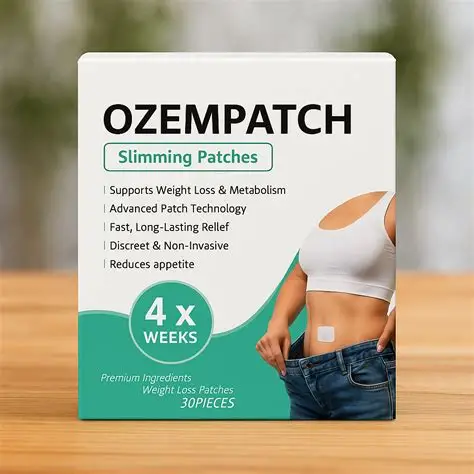
OzemPatch, also marketed as Rejuvacare OzemPatch, has flooded social media feeds with bold promises of effortless weight loss. Advertised as a “natural, needle-free alternative” to blockbuster GLP-1 drugs like Ozempic, it claims to melt away 20-40 pounds of fat, suppress appetite, and boost metabolism—all while you sleep, and without diet or exercise.
Using aggressive marketing tactics, including countdown timers, massive discounts, and implied endorsements from major health outlets, it targets consumers desperate for weight loss solutions amid the high cost and shortages of prescription medications. However, investigations by consumer watchdogs and health experts reveal a starkly different reality: Ozempatch lacks clinical evidence, utilizes deceptive sales strategies, and operates with red flags typical of online supplement scams.
This comprehensive review dissects the Ozempatch phenomenon, analyzing its unverified claims, missing ingredient transparency, and the potential risks of relying on unproven transdermal patches for obesity management.
The Pitch: How Ozempatch Claims to Work
The core premise of Ozempatch is that it can “reactivate” the body’s natural production of GLP-1 (glucagon-like peptide-1), the hormone responsible for satiety and insulin regulation, using transdermal delivery.
The Marketing Promises
- Overnight Fat Burning: Claims to increase metabolic rate by 300% during sleep.
- Appetite Suppression: Promises to shut down cravings for sugar and junk food instantly.
- Needle-Free Convenience: Positioned as a painless sticker applied below the navel, bypassing the need for injections.
- “Natural” Formula: Allegedly uses herbal extracts like ginger, white peony, and cinnamon to mimic the effects of semaglutide.
The Scientific Reality Gap
While pharmaceutical GLP-1 agonists (like Wegovy) are proven to reduce weight by 15-20% in clinical trials, there is zero evidence that herbal patches can replicate this mechanism. Peptide hormones like GLP-1 are large molecules that cannot easily penetrate the skin barrier in sufficient quantities to affect systemic metabolism without sophisticated enhancers—technology not present in a $49 herbal patch.
Furthermore, the “natural GLP-1 boosters” cited (like berberine or cinnamon) have only mild metabolic effects in oral form. No study exists showing they induce significant weight loss via a transdermal patch.
Ingredient Analysis: Mystery Mixtures
One of the most alarming aspects of Ozempatch is the lack of a transparent ingredient label on its sales pages. While ads hint at “12 natural ingredients,” actual packaging often lists common, inexpensive compounds that act as mild skin irritants or moisturizers rather than metabolic agents.
Suspected Ingredients (Based on Similar “Slimming Patches”)
- Ginger Root: May aid digestion if eaten, but topically causes warmth (mistaken for “fat burning”).
- White Peony: Used in TCM for inflammation, not proven for weight loss.
- Menthol/Capsaicin: Creates a tingling sensation to convince users the patch is “working.”
- Caffeine: Can penetrate skin but only dehydrates local cells temporarily; does not burn systemic fat.
The Verdict: Without a verified Certificate of Analysis (COA), users are essentially applying mystery adhesives to their skin. The “tingle” is a sensory trick, not metabolic activation.
Red Flags and Scam Indicators
Consumer protection sites like MyAntiSpyware have flagged Rejuvacare OzemPatch for multiple deceptive practices that consumers should recognize.
1. Fabricated Endorsements
The sales page displays logos of reputable news outlets (USA Today, Healthline) to imply coverage. Investigations confirm these outlets have never endorsed or reviewed Ozempatch. Similarly, “doctor” testimonials on the site use stock photos and scripted language found on dozens of other scam sites.
2. No Independent Reviews
While the official site boasts thousands of 5-star ratings, independent platforms like Trustpilot have zero verified reviews for the specific product page. Searches for the company’s phone number link it to other failed supplement schemes with poor customer service records.
3. Aggressive Upselling
The checkout process uses “dark patterns”—urgent countdowns, “low stock” warnings, and pre-checked boxes for bulk orders—to pressure users into spending $100-$200 before they can research the product.
4. The “Free Trial” Trap
Some users report hidden subscriptions, where buying one pack enrolls them in a monthly auto-ship program that is difficult to cancel. The “90-Day Guarantee” often has loopholes, such as requiring the return of unopened packages at the customer’s expense.
Comparison: Ozempatch vs. Proven Methods
| Feature | Ozempatch (Rejuvacare) | GLP-1 Injections (Ozempic/Wegovy) | Lifestyle Changes |
| Active Agent | Unverified Herbs | Semaglutide (FDA Approved) | Caloric Deficit |
| Efficacy | Unproven / Placebo | High (15%+ Weight Loss) | Variable / High |
| Cost | $50 – $150 / mo | $900+ / mo (w/o insurance) | Free |
| Safety | Skin Risk / Unknown | GI Side Effects (Known) | Excellent |
| Clinical Trials | None | Extensive | Extensive |
Potential Risks and Side Effects
While marketed as “side-effect free,” putting unverified chemicals on your skin carries risks:
- Contact Dermatitis: Adhesives can cause red, itchy rashes or blisters, especially with repeated use on the same spot.
- Allergic Reactions: Undeclared ingredients (like latex or exotic herbs) can trigger reactions.
- Delayed Treatment: Relying on a placebo patch delays patients from seeking effective medical treatment for obesity, potentially worsening metabolic health over time.
Final Verdict: Scam or Solution?
Rejuvacare OzemPatch exhibits all the hallmarks of a predatory health scam: impossible claims, fake endorsements, hidden ingredients, and a lack of accountability. There is no scientific basis for a “GLP-1 herbal patch,” and the product appears designed solely to capitalize on the desperation of those unable to access legitimate medical weight loss treatments.
Briefed FAQs
Q: Is Ozempatch FDA-approved?
A: No. It is a dietary supplement/cosmetic product and has not been evaluated or approved by the FDA for weight loss.
Q: Does it actually contain Ozempic?
A: No. “Ozempatch” creates a deliberate sound-alike association with Ozempic, but it contains absolutely no semaglutide or prescription medication.
Q: Can I get a refund if it doesn’t work?
A: It is unlikely. Reports indicate customer service numbers often go unanswered, or the return policy requires products to be in “new” condition, making it impossible to return a used trial.
Q: Why do I feel a tingle when wearing it?
A: The patch likely contains menthol, camphor, or capsaicin (pepper extract). This irritates the skin nerves to create a sensation of heat, which marketing spins as “fat melting,” but it does not affect actual body fat.
Q: Are there any legitimate weight loss patches?
A: Currently, no transdermal patch is FDA-approved for weight loss. While patches exist for nicotine or motion sickness, the science does not yet support effective fat-loss drug delivery via a sticker.