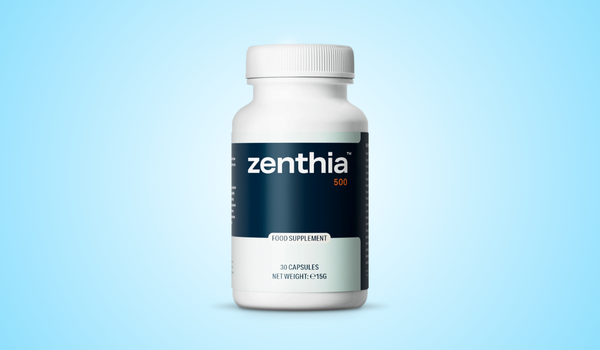
Zenthia is a multi-action weight loss supplement designed to target appetite, metabolism, and gut health using a blend of B‑vitamins, glucomannan fiber, green tea, L‑carnitine, minerals, and multi‑strain probiotics. It is positioned in the UK market as a daily capsule that supports sustainable, gradual fat loss rather than “rapid” or extreme reductions, with most marketing framing it as a 60–90‑day program to reshape appetite patterns, energy, and digestive balance.
Below is a detailed breakdown of how Zenthia works, what its ingredients can realistically do, what the science says about each component, and who is most likely to benefit.
What are Zenthia Capsules?
Zenthia is a capsule-based weight loss supplement containing:
- A full B‑complex (B1, B2, B3, B5, B6, B7, B9, B12)
- Glucomannan (konjac root soluble fiber)
- L‑Carnitine L‑Tartrate
- Raspberry fruit extract (10:1)
- Green tea extract (4:1)
- Chromium
- A multi-strain probiotic blend:
- Lactobacillus salivarius
- Streptococcus thermophilus
- Lactobacillus acidophilus
- Bifidobacterium bifidum
- Lactobacillus rhamnosus
- Lactobacillus salivarius
Brand materials describe Zenthia as “a metabolic and gut health support formula” that aims to:
- Improve satiety and reduce calorie intake via glucomannan and appetite modulation
- Support energy metabolism via B‑vitamins and carnitine
- Enhance fat oxidation via green tea catechins and carnitine
- Improve digestive comfort and weight-related biomarkers via multi-strain probiotics and chromium
Review-style articles and 30‑day anecdotal logs highlight gradual changes: reduced snacking by weeks 3–4, better energy and less bloating, and visible body composition changes by weeks 6–8 when combined with diet and activity.
How Zenthia Is Supposed to Work
Zenthia’s design combines three main mechanisms:
- Appetite and Calorie Control
Glucomannan swells in the stomach, promoting fullness and helping users stick to a calorie deficit.
Chromium may help stabilize blood sugar and reduce sugar cravings.
- Metabolic and Fat-Oxidation Support
Green tea extract provides catechins (EGCG) that increase fat oxidation and thermogenesis.
L‑Carnitine helps shuttle fatty acids into mitochondria for energy use.
B vitamins support the enzymatic steps of energy production.
- Gut Health and Weight Management
A multi-strain probiotic blend (several Lactobacillus and Bifidobacterium species) is intended to rebalance gut flora associated with obesity, improve digestion, and slightly improve anthropometric measures.
The underlying concept is that if you eat slightly less (via satiety), burn slightly more (via thermogenesis and metabolic efficiency), and digest/absorb nutrients more optimally (via gut health), the combined effect over 8–12 weeks produces gradual but sustainable weight loss.
Ingredient-by-Ingredient Breakdown
1. B‑Vitamin Complex (B1, B2, B3, B5, B6, B7, B9, B12)
Role in Zenthia:
The B‑complex supports the conversion of carbohydrates, fats, and proteins into usable cellular energy (ATP), which can reduce fatigue and support adherence to exercise and calorie control.
- B1 (Thiamine HCl) – Essential for carbohydrate metabolism and nerve function.
- B2 (Riboflavin) – Involved in redox reactions and mitochondrial energy production.
- B3 (Nicotinamide) – Precursor to NAD⁺/NADP⁺, co-factors in metabolic reactions.
- B5 (Calcium D‑Pantothenate) – Part of Coenzyme A, central to fatty acid metabolism.
- B6 (Pyridoxine HCl) – Important for amino acid metabolism and neurotransmitters (affecting mood and thus emotional eating).
- B7 (Biotin) – Involved in fatty acid synthesis and carbohydrate metabolism.
- B9 (Folic Acid) and B12 (Cyanocobalamin) – Critical for DNA synthesis, red blood cells, and methylation cycles; deficiencies can reduce energy and exercise tolerance.
What the science says:
B‑vitamins are not fat burners themselves, but deficiencies can blunt metabolic efficiency and increase fatigue, making dieting harder. Supplementing beyond sufficiency does not accelerate weight loss much, but it can help maintain energy and mood on reduced-calorie plans.
2. Glucomannan (Konjac Root Fiber)
Glucomannan is a highly viscous, water‑soluble fiber that expands when hydrated, forming a gel-like mass in the stomach.
Mechanisms for weight loss:
- Swells up to 50x its volume, increasing gastric distension and satiety.
- Slows gastric emptying and carbohydrate absorption, flattening post‑meal glucose spikes.
- It may help maintain normal blood lipid and glucose levels when used at proper doses.
Evidence:
- The EFSA (European Food Safety Authority) has approved health claims for glucomannan contributing to weight loss in the context of an energy‑restricted diet, with conditions of use at 3 g/day taken in 1 g doses before meals with plenty of water.
- A systematic review found that glucomannan can modestly reduce body weight but has a limited effect on BMI, and the effect depends on dose and diet adherence.
Practical takeaway:
Glucomannan can genuinely help reduce appetite and calories if the daily dose is high enough and taken before meals, but it must be taken with sufficient water to avoid choking risk or esophageal obstruction.
3. L‑Carnitine L‑Tartrate
L‑Carnitine is an amino acid derivative that transports long‑chain fatty acids into mitochondria for oxidation.
Potential roles:
- Enhances fat utilization during exercise.
- May improve exercise recovery and reduce muscle soreness.
- The tartrate form improves absorption.
Evidence:
Carnitine shows modest benefits for fat mass reduction in some studies when combined with exercise, but is not a standalone “fat burner.” Its main contribution is usually improved energy and performance during physical activity.
4. Raspberry Fruit Extract (10:1)
This is a concentrated extract of raspberry fruit, not necessarily “raspberry ketones” (the latter have very limited human data and are often heavily hyped).
Potential roles:
- Provides polyphenols and antioxidants that may support metabolic health.
- May contribute a minor thermogenic or appetite effect—but evidence in humans is limited.
Most of the strong marketing around raspberry ketones is extrapolated from animal data; any realistic effect in humans is likely small compared to diet and fiber.
5. Green Tea Extract (4:1)
Green tea extract is a well‑supported component in many weight loss formulas.
Active compounds:
- Catechins, especially EGCG (Epigallocatechin gallate).
- Moderate amounts of naturally occurring caffeine (depending on standardization).
Mechanisms:
- Increases fat oxidation and thermogenesis by activating norepinephrine and brown fat activity.
- Modestly boosts energy expenditure and may improve insulin sensitivity.
Evidence:
- Multiple trials show green tea catechins with caffeine can increase daily energy expenditure and fat oxidation, contributing to small but meaningful weight loss when combined with diet and exercise.
- Typical effect size: an extra 100–150 kcal burned per day with sufficient dosing.
In Zenthia, green tea likely adds a mild metabolic boost and appetite support, especially in combination with glucomannan.
6. Chromium
Chromium (typically chromium picolinate or similar) is a trace mineral involved in insulin signaling.
Roles in weight loss: It may
- help maintain normal blood glucose by improving insulin sensitivity.
- Potentially reduces sugar cravings and reactive hypoglycemia.
Evidence:
EFSA has conditions for chromium claims related to normal macronutrient metabolism, but robust effects on weight loss are modest. Its main benefit is stabilizing appetite and energy via blood sugar support.
7. Multi-Strain Probiotic Blend
Zenthia includes several probiotic strains:
- Lactobacillus salivarius
- Streptococcus thermophilus
- Lactobacillus acidophilus
- Bifidobacterium bifidum
- Lactobacillus rhamnosus
Why probiotics for weight loss?
Obesity is associated with “gut dysbiosis” – an imbalance in gut flora linked to increased energy harvest from food, low‑grade inflammation, and altered appetite hormones. Multi-strain probiotics aim to:
- Shift the gut microbiota towards patterns seen in lean individuals.
- Reduce systemic inflammation and improve lipid metabolism.
- Slightly reduce body weight and waist circumference when used consistently.
Evidence:
- A randomized trial using a multi-strain probiotic (Lactobacillus + Bifidobacterium) at 1×10⁹ CFU/day for 12 weeks in overweight adults showed significant reductions in body weight (~1.46 kg), BMI, waist circumference, and body fat percentage compared to placebo, without diet changes.
- A 6‑month RCT (Lab4P multi-strain probiotic) found significant weight loss and improvements in small dense LDL particles in overweight/obese subjects.
- Meta‑analyses suggest multi-strain probiotics produce small but consistent reductions in adiposity when combined with lifestyle efforts.
Zenthia’s probiotic addition is aligned with emerging evidence that gut-targeted strategies can modestly assist weight and metabolic health over months.
How Effective Can Zenthia Realistically Be?
1. Appetite and Calorie Reduction
- When glucomannan is dosed near EFSA’s 3 g/day guideline, users can experience a noticeable reduction in hunger and between‑meal snacking.
- Probiotic and chromium support may further stabilize appetites by improving glucose handling and gut hormone signaling.
Realistic effect:
A reduction of 100–300 kcal/day in spontaneous intake for many users, assuming consistent use before meals and adherence to hydration instructions.
2. Metabolic Boost and Fat Burning
- Green tea catechins plus caffeine can increase daily energy expenditure by around 100 kcal and improve fat oxidation.
- L‑carnitine may further support fat utilization during exercise.
Realistic effect:
Slightly higher fat burn, especially in active users, but not a substitute for a calorie deficit.
3. Gut and Inflammation Support
- Multi-strain probiotics like those used in Zenthia have shown 1–2 kg extra weight loss over 3–6 months in overweight adults, without strict diet changes, mainly via gut microbiome shifts.
Realistic effect:
Extra 2–4 lb lost over several months, plus improved digestion and less bloating.
Expected Timeline of Results
30‑day review frameworks describe a phased response:
- Week 1–2:
- Slight fullness after meals from glucomannan.
- Mild digestive adjustment from probiotics (gas, changes in stool for some).
- Small bump in daily energy.
- Slight fullness after meals from glucomannan.
- Week 3–4:
- Noticeable reduction in cravings and snacking.
- More stable energy and fewer afternoon “crashes.”
- Early scale changes (1–3 lb), especially with diet improvements.
- Noticeable reduction in cravings and snacking.
- Week 6–8:
- Visible changes in waistline and clothing fit if paired with a 300–500 kcal deficit and modest activity.
- Weight loss of ~4–8 lb is typical in users who commit to both supplement and lifestyle changes.
- Visible changes in waistline and clothing fit if paired with a 300–500 kcal deficit and modest activity.
Zenthia is described as a gradual support tool, not a rapid “10 kg in 2 weeks” solution.
Safety and Side Effects
Generally Well-Tolerated
- B‑vitamins: water-soluble; excess typically excreted, though high niacin can cause flushing.
- Probiotics: generally safe; may cause transient gas/bloating in the first 1–2 weeks.
Potential Issues
- Glucomannan
- Must be taken with plenty of water to avoid choking or esophageal obstruction.
- May cause bloating or mild GI discomfort in some users.
- Must be taken with plenty of water to avoid choking or esophageal obstruction.
- Green Tea Extract
- Contains caffeine; sensitive users may experience jitters, insomnia, or heart palpitations at high doses.
- Contains caffeine; sensitive users may experience jitters, insomnia, or heart palpitations at high doses.
- Probiotics
- Very rare infections in immunocompromised individuals; such users should consult a doctor.
Zenthia is not a replacement for medical treatment of obesity or metabolic diseases and should be used under medical guidance if you are on medications, particularly for diabetes, blood pressure, or psychiatric conditions.
Who Is Zenthia Best Suited For?
Zenthia may be most helpful for:
- Overweight adults (BMI 25–30) with mild to moderate weight to lose.
- People who struggle with hunger, snacking, and sugar cravings more than with discipline alone.
- Those interested in combining appetite control, metabolic support, and gut health in one formula.
- Users are ready to commit to at least 8–12 weeks of consistent use alongside dietary and activity changes.
It will likely be less effective for:
- Individuals seeking extreme, rapid weight loss without diet changes.
- Morbidly obese patients who may require medical or surgical interventions.
- Those expecting pill-only solutions without lifestyle effort.
Final Conclusion on Zenthia Weight Loss Supplement
Zenthia is a reasonably well‑designed support formula built around three evidence‑backed pillars: glucomannan for appetite and calorie control, green tea and carnitine for a small thermogenic/metabolic lift, and a multi‑strain probiotic blend to gently improve gut-related weight markers, all backed by broadly useful B‑vitamins and chromium for energy and glucose regulation. At realistic doses and with consistent use over 8–12 weeks, Zenthia can plausibly help most users eat a bit less, burn slightly more, and feel less bloated—translating into modest, sustainable weight loss when combined with a 300–500 kcal daily deficit and light activity, not a dramatic transformation on its own.
Its main strengths are a clinically supported fiber (glucomannan with an EFSA weight‑loss claim) and a thoughtful probiotic blend with early human data on adiposity and metabolic health, while limitations include dependency on proper dosing, the need for lifestyle alignment, and the fact that its effect size will always be smaller than prescription GLP‑1 drugs or intensive medical programs. For overweight adults seeking a gentle, multi‑angle nudge rather than a miracle pill—and who understand it is an adjunct, not a substitute, for diet and movement—Zenthia is a defensible, low‑risk option; for those expecting rapid, effortless loss or managing advanced obesity without medical guidance, it will likely disappoint.
Briefed FAQs About Zenthia
Q1. Can Zenthia alone make me lose weight without diet or exercise?
No. Zenthia is designed to support appetite control, metabolism, and gut health, but meaningful fat loss still requires a calorie deficit through food choices and activity. Studies on glucomannan and probiotics show benefits in the context of controlled intake, not in isolation.
Q2. How much weight can I realistically lose with Zenthia in 1–2 months?
Most realistic users can expect roughly 0.5–1 kg (1–2 lb) per week if they maintain a 300–500 kcal daily deficit and take Zenthia consistently—equating to 4–8 lb in 8 weeks—where the supplement nudges appetite, energy, and gut health in their favor.
Q3. Is glucomannan in Zenthia actually clinically proven?
Yes. EFSA recognizes glucomannan as contributing to weight loss at 3 g/day within an energy‑restricted diet, taken in divided doses with water before meals. The key is dose and timing; if Zenthia’s glucomannan content is lower than this, its appetite effect will be milder.
Q4. What do the probiotics in Zenthia do for weight loss?
The multi-strain blend (Lactobacillus and Bifidobacterium species) is based on evidence that such combinations can modestly reduce weight, BMI, waist circumference, and body fat over 12–24 weeks. They help reshape gut microbiota, improve lipid handling, and reduce low‑grade inflammation linked to obesity.
Q5. Will I feel different in the first week?
You may notice fuller stomach feelings when taking glucomannan with water before meals, slight digestive changes from probiotics, and possibly a small energy boost from B‑vitamins and green tea extract. Significant body composition changes usually appear after 3–6 weeks, not in the first few days.
Q6. Is Zenthia safe to take long-term?
For most healthy adults, the ingredients (fiber, green tea, B‑vitamins, probiotics, chromium) are generally safe for long‑term use at recommended dosages. That said, anyone with gastrointestinal disease, on medications (especially for diabetes), pregnant or breastfeeding, or immunocompromised should consult a healthcare provider before starting.
Q7. How does Zenthia compare to stronger options like prescription GLP‑1 drugs?
GLP‑1 analogues (like semaglutide) often produce 10–15% body weight loss but require prescriptions, injections, monitoring, and carry GI and other risks. Zenthia is an over‑the‑counter nutritional supplement aimed at mild to moderate, gradual weight reduction with a far gentler effect size but also a much lighter risk profile.