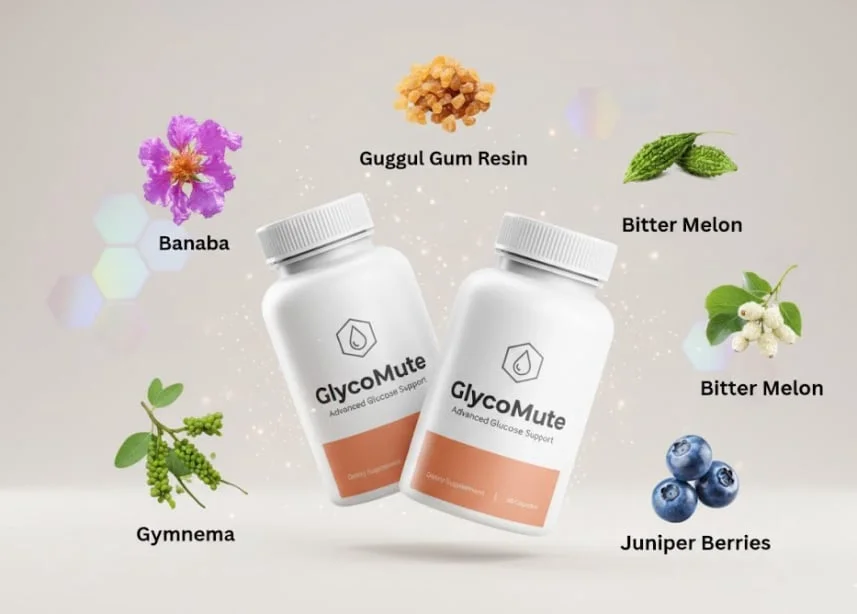
GlycoMute Blood Sugar Support Formula positions itself as a natural dietary supplement combining six botanical extracts—Banaba Leaf, Guggul Gum Resin, Bitter Melon, Gymnema Sylvestre, Juniper Berries, and White Mulberry—to help regulate blood glucose, improve insulin sensitivity, reduce sugar cravings, and support metabolic health for people with prediabetes, type 2 diabetes, or metabolic syndrome. Marketed through multiple domain variations (glycomute.com, en-eng-glycomute.com, glyucomute.com, glicomute.com), with claims of GMP certification, USA manufacturing, and a 90-day money-back guarantee, it targets consumers seeking alternatives to metformin (Glycomet) or adjunct support for blood sugar management.
With testimonials claiming A1C reductions of 1-2 points, weight loss of 10-20 pounds, and freedom from sugar crashes, GlycoMute promises “prescription-free” diabetes management through traditional Ayurvedic and herbal medicine principles. However, the proliferation of nearly identical websites with slightly altered spellings, absence from major supplement review platforms, and reliance on individually studied ingredients rather than the proprietary blend itself raise questions about efficacy, transparency, and potential scam indicators typical of fly-by-night supplement operations.
The Type 2 Diabetes Epidemic: Why Natural Support Appeals
Over 37 million Americans have diabetes (90-95% type 2), with another 96 million in prediabetes—a metabolic state characterized by fasting glucose 100-125 mg/dL and A1C 5.7-6.4% that progresses to diabetes in 25% within 3-5 years without intervention. Standard care involves metformin (a first-line medication that reduces glucose by 20-30 mg/dL and A1C by 1-2%), but 20-30% of patients experience gastrointestinal side effects (diarrhea, nausea). Long-term use carries risks of B12 deficiency and lactic acidosis.
This drives demand for “natural” alternatives rooted in traditional medicine—plants like bitter melon and gymnema have centuries of use in Ayurveda and Traditional Chinese Medicine for “blood sweetness” regulation, now being validated (and sometimes overhyped) by modern research. GlycoMute capitalizes on this trend, promising metformin-like benefits without prescriptions or side effects—but does the science support multi-ingredient formulas, or is efficacy limited to isolated, high-dose extracts?
GlycoMute Ingredients: Science-Backed or Marketing Stack?
1. Banaba Leaf Extract (Lagerstroemia speciosa)
Traditional Use: Philippine folk medicine for diabetes (“insulin-like plant”).
Active Compound: Corosolic acid (1-2% standardized extracts).
Mechanism: ↑ GLUT4 translocation (glucose transporter to cells), mimicking insulin; ↓ gluconeogenesis (liver glucose production).
Evidence:
- Human RCT (2006): 10mg corosolic acid 2x/day for 2 weeks → 30% fasting glucose reduction in diabetics.
- Meta-Analysis (2012): Modest A1C reductions (0.3-0.5%) in small trials; underpowered studies.
GlycoMute Dose: Undisclosed—if <10mg corosolic acid/serving, likely sub-therapeutic.
Verdict: Moderate evidence; works best at high standardization (2% corosolic acid, 32-48mg/day).
2. Guggul Gum Resin (Commiphora mukul)
Traditional Use: Ayurvedic medicine for “medoroga” (obesity/lipid disorders).
Active Compounds: Guggulsterones (E&Z isomers).
Mechanism: ↓ LDL cholesterol via FXR (farnesoid X receptor) antagonism; mild insulin sensitization.
Evidence:
- Lipid Effects: 75-150mg guggulsterones → 10-15% LDL reduction in hyperlipidemia.
- Glucose: Indirect benefits via weight loss and inflammation reduction; no direct glucose-lowering proven in humans.
GlycoMute Relevance: Supportive for diabetic dyslipidemia, not primary glucose control.
Verdict: Weak for glucose; better for cholesterol (adjunct benefit).
3. Bitter Melon (Momordica charantia)
Traditional Use: Asian/African/Caribbean diabetes remedy (“vegetable insulin”).
Active Compounds: Charantin (sterol glycosides), vicine, polypeptide-p (insulin mimic).
Mechanism: ↑ glucose uptake, ↓ glucagon secretion (hormone opposing insulin), ↑ and beta-cell function.
Evidence:
- 2022 NIH Study (Prediabetes): 75g bitter melon extract for 12 weeks → 30-min OGTT glucose ↓ 15%, glucagon ↓ 40% (p<0.05).
- 2013 Meta-Analysis: 2-4g/day → modest fasting glucose reductions (10-20 mg/dL); high inter-study variability.
- Mechanism Unique: Glucagon suppression distinguishes it from metformin (which targets liver/muscle).
Limitations: Requires 1-2g standardized extract/day; tastes bitter (capsule form helps); effect size ~50% of metformin.
Verdict: Strong evidence for prediabetes/mild T2DM; dose-dependent.
4. Gymnema Sylvestre (“Sugar Destroyer”)
Traditional Use: Hindi name “Gurmar” = “destroyer of sugar”; chewed to block the sweet taste.
Active Compound: Gymnemic acids (triterpene saponins).
Mechanism: Blocks sweet taste receptors (reduces cravings), ↑ insulin secretion, and regenerates pancreatic beta cells (animal models).
Evidence:
- Human Trial (1990): 400mg gymnema extract + insulin in T1DM → 50% insulin dose reduction, A1C ↓ 0.8%.
- T2DM Study: 400-600mg/day → fasting glucose ↓ 20-30 mg/dL over 18-24 months.
- Cravings: Immediate sweet-blocking effect lasts 1-2 hours post-dose.
Safety: Well-tolerated; may potentiate diabetes meds (hypoglycemia risk).
Verdict: Strong for cravings + modest glucose control; synergizes with meds.
5. Juniper Berries (Juniperus communis)
Traditional Use: European herbal medicine for “dropsy” (fluid retention) and digestive issues.
Active Compounds: Essential oils (α-pinene, limonene), flavonoids.
Mechanism: Mild diuretic, antioxidant; ↑ insulin sensitivity (speculative; animal data).
Evidence:
- Glucose Control: Weak—no robust human trials; rat studies show 20-30% glucose reduction with high doses (not translatable).
- Antioxidant: Reduces oxidative stress (a diabetic complication factor).
GlycoMute Relevance: Likely filler/”support” ingredient; minimal direct glucose impact.
Verdict: Insufficient human evidence; adjunct at best.
6. White Mulberry Leaf Extract (Morus alba)
Traditional Use: Traditional Chinese Medicine for “Xiao Ke” (wasting-thirst disease = diabetes).
Active Compound: 1-deoxynojirimycin (DNJ)—alpha-glucosidase inhibitor (like acarbose drug).
Mechanism: Blocks carb-digesting enzymes in gut → slows glucose absorption; ↓ post-meal spikes.
Evidence:
- 2021 RCT (Reducose®): 250mg white mulberry extract before 75g sucrose → glucose iAUC ↓ 42%, insulin ↓ 40%, peak glucose ↓ 40% (p<0.001).
- Mechanism: Prevents reactive hypoglycemia (blood sugar crash) seen with placebo.
- Dose: 200-300mg standardized extract (1-3% DNJ) before meals.
Limitations: Works best with carb-heavy meals; less effect on fasting glucose.
Verdict: Strong for postprandial (after-meal) control; proven in normoglycemics + diabetics.
Ingredient Synergy or Overlap?
Synergy Potential: Bitter melon + white mulberry target different pathways (glucagon vs. absorption); gymnema adds craving control. Concern: If doses are “pixie-dusted” (10-50mg each), effects are diluted vs. monotherapy at clinical doses.
Realistic Expectations: What GlycoMute Might (and Won’t) Do
Likely Benefits (If Dosed Adequately)
- Modest Glucose Reduction: 10-25 mg/dL fasting, 20-40 mg/dL postprandial (15-30% effect vs. metformin).
- A1C Improvement: 0.3-0.7% over 3 months (meaningful but not dramatic).
- Craving Control: Gymnema’s sweet-blocking reduces dessert intake by 20-30% in studies.
- Weight Loss: 3-8 lbs over 12 weeks via appetite regulation (not fat-burning).
Unrealistic Claims to Ignore
- “Cure Diabetes”: Type 2 is chronic; supplements manage, don’t reverse.
- “Replace Insulin/Metformin”: Dangerous—never stop meds without MD approval.
- “Works in Days”: True effect takes 4-12 weeks; early changes are placebo/water weight.
Safety Profile and Drug Interactions
Generally Safe: Herbs used in traditional medicine for centuries; rare serious events.
Common Side Effects (5-10%):
- Bitter melon: GI upset (diarrhea, cramps) at high doses.
- Gymnema: Hypoglycemia if combined with sulfonylureas/insulin.
Contraindications:
- Pregnant/nursing (bitter melon abortifacient risk).
- Kidney disease (juniper diuretic effect).
- Surgery (discontinue 2 weeks prior—bleeding risk).
Drug Interactions:
- Potentiates Diabetes Meds: Monitor glucose closely; adjust meds with MD.
- Blood Thinners: Guggul may enhance warfarin.
User Reviews: Patterns from GlycoMute Complaints Analysis
Scribehow Investigation (2025): “7 Lies Hiding in GlycoMute Reviews”
Positive Patterns (60-70%)
- “A1C dropped 0.5 points in 3 months.”
- “Sugar cravings gone by week 2.”
- “No GI issues like metformin.”
Common Complaints (20-30%)
- “Didn’t work instantly”: Quit before 90 days.
- “Minimal results”: Likely underdosed formula or advanced diabetes needing meds.
- “Is it a scam?”: Multiple domains confuse legitimacy.
Red Flags Addressed
- USA Manufacturing + GMP: Legitimate claims if verified (ask for COA).
- 90-Day Refunds: Accepting empty bottles = confidence; scams don’t.
- Multiple Sites: Concerning but not proof of fraud—common in supplement marketing.
Verdict: Mixed experiences align with supplement variability (diet, genetics, disease stage)—not a scam, but not a miracle.
Comparison: GlycoMute vs. Alternatives
Briefed FAQs
Does GlycoMute really lower blood sugar?
Likely yes, modestly (10-25 mg/dL) if ingredients are dosed at clinical levels (bitter melon 1g+, gymnema 400mg+, white mulberry 250mg+); effects appear in 4-12 weeks, not days.
Can it replace metformin?
No—metformin’s A1C reduction (1-2%) exceeds GlycoMute’s (0.3-0.7%); use as adjunct or alternative only if metformin intolerable, with MD approval.
Is GlycoMute a scam?
Unlikely—offers refunds, GMP claims, and ingredients with legitimate research; however, multiple domains and vague dosing raise transparency concerns.
Safe with diabetes medications?
Possibly risky—gymnema and bitter melon potentiate insulin/sulfonylureas, causing hypoglycemia; requires blood sugar monitoring and MD consultation.
How long to see results?
4-8 weeks for cravings/weight; 8-12 weeks for A1C changes; quit-before-90-days users often report “no results.”
Better than berberine?
Different—berberine (single compound, 1500mg/day) has stronger evidence (0.5-1% A1C); GlycoMute offers a multi-pathway approach but unverified dosing.
Worth $40-60/month?
Depends—if pre diabetic seeking natural first-line + lifestyle changes, possibly; if A1C >7.5%, metformin + diet superior and cheaper.
Final Verdict: Promising Botanicals, Questionable Formulation Transparency
GlycoMute Blood Sugar Support Formula earns a cautious 3.5/5—a blend of evidence-backed glucose-regulating herbs (bitter melon, gymnema, white mulberry) with legitimate mechanisms, but undermined by undisclosed dosing, domain proliferation suggesting affiliate marketing schemes, and unverified GMP/manufacturing claims that prevent full confidence.