
Keeping a home comfortable throughout the year usually requires a closet full of seasonal equipment. During winter, space heaters clutter floor space and pull heavy electrical loads. When summer hits, bulky window units or portable hose-driven air conditioners block windows and hog living areas.
The AerioQ Heating & Cooling Device (commonly searched as the AerioQ Portable AC) addresses this year-round hassle by merging fast ceramic heating and high-velocity air circulation into a single compact chassis. Designed for either wall mounting or desktop placement, AerioQ offers direct, localized climate control without eating up valuable floor space.
Navigating home climate products requires looking past marketing buzzwords and examining the actual engineering inside. This review breaks down how the AerioQ operates, its hardware specifications, heating and cooling mechanics, safety features, energy costs, and how it performs against traditional heating and cooling options.
What Is the AerioQ Heating & Cooling Device?
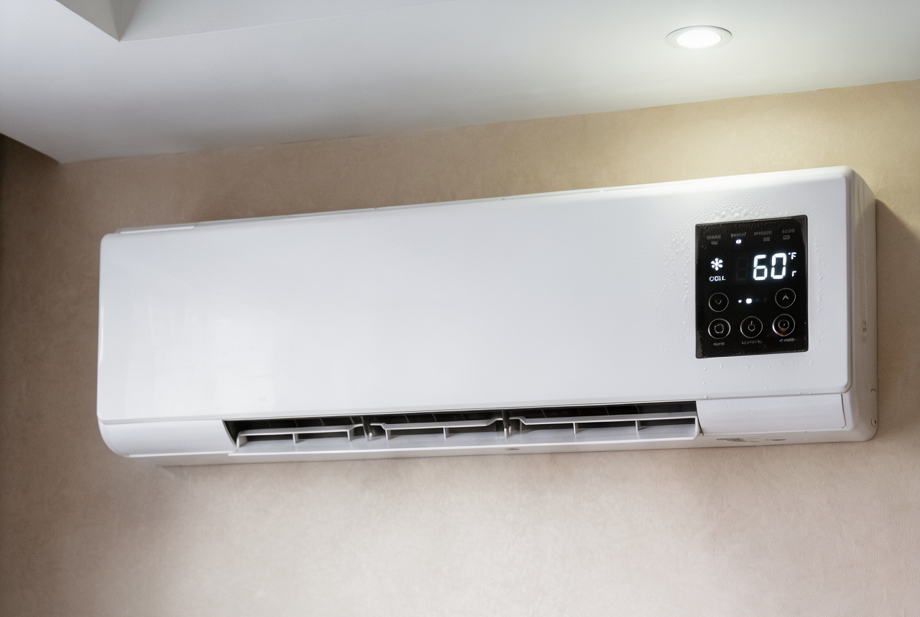
The AerioQ is an all-in-one personal climate unit built inside a low-profile horizontal shell that looks similar to the indoor unit of a mini-split system. Measuring approximately 21.7 inches wide, 12.6 inches high, and 8.7 inches deep, and weighing roughly 5.7 pounds (2.6 kg), it fits neatly onto standard household walls or tabletop surfaces.
Unlike central HVAC systems or heavy floor-standing portable air conditioners that require permanent window vents, the AerioQ is completely self-contained. It operates through two primary modes:
-
Active PTC Ceramic Heating: Uses positive temperature coefficient ceramic discs to deliver rapid thermal output during cold months.
-
Fan-Driven Air Circulation: Uses an internal cross-flow blower to push ambient room air, creating a constant wind-chill effect during warm weather.
Because you can mount it directly onto drywall with basic wall anchors or set it on a desk or nightstand, it provides flexible climate control in places where floor space is limited.
How Does AerioQ Portable AC Work?
Based on available product information and reviewer testing, the Aerioq Portable AC operates using two primary modes:
Cooling Mode
In cooling mode, the unit circulates air through its internal fan system. Some marketing materials suggest “fast cooling,” but technical reviews indicate it does not actively extract heat or humidity from the room like a compressor‑based AC. Instead, it relies on:
-
High‑velocity airflow to create a wind‑chill effect
-
Possible evaporative or cooled‑air elements (depending on model/version)
-
Room air recirculation to enhance perceived coolness
This means it can make a small personal space feel cooler, especially when you’re sitting near the airflow, but it won’t lower the actual room temperature the way a real air conditioner does.
Heating Mode
For colder months, Aerioq uses PTC (Positive Temperature Coefficient) ceramic heating technology. PTC heaters are known for.
-
Fast warm‑up times
-
Self‑regulating temperature behavior (reducing overheating risk)
-
Relatively low power draw compared to traditional resistive heaters
In heating mode, the unit blows warmed air into the room, acting more like a compact space heater with a fan than a full HVAC system.
Control and Convenience Features
Typical features highlighted across product listings and reviews include:
-
Remote control for mode, fan speed, and temperature adjustments
-
Digital display (on some versions)
-
Timer settings (1–12 hours)
-
Multiple fan speeds
-
Wall‑mount bracket for permanent or semi‑permanent installation
Technical Specifications & Build Quality
Reviewing physical parameters and electrical specs helps ensure safe placement and proper integration into your home.
Complete Technical Specifications
| Specification Category | Parameter / Detail |
| Product Category | Dual-Function Wall & Desktop Climate Device |
| Heating Element | Positive Temperature Coefficient (PTC) Ceramic Disc |
| Cooling Engine | High-Velocity Cross-Flow Fan Blower |
| Installation Options | Wall-Mounted (Brackets included) or Tabletop / Flat Surface |
| Dimensions | 21.7 in (L) x 12.6 in (H) x 8.7 in (D) [~55 cm x 32 cm x 22 cm] |
| Product Weight | Approx. 5.7 lbs (2.6 kg) |
| Control System | Digital LED Display + Handheld Wireless IR Remote Control |
| Integrated Timer | 1 to 12 Hours (Programmable Auto-Off) |
| Power Cord Length | Attached 3.3 ft (1 meter) grounded power cable |
| Voltage Compatibility | Standard 110V–120V North American Outlet (Verify product batch at order) |
| Safety Certifications | Built-in Thermal Cutoff Switch & Flame-Retardant ABS Casing |
Electrical Note for U.S. Buyers: Always double-check your order summary to ensure you receive the standard 110V North American plug type. Because these units are distributed globally, confirming standard household voltage compatibility ensures seamless operation out of the box.
Detailed Breakdown of Key Features
Wall-Mounting Versatility
Floor space is a major constraint in small apartments, dorms, and home offices. Traditional space heaters and tower fans create tripping hazards and take up square footage. The AerioQ comes equipped with integrated mounting slots on the rear panel. Hanging the unit on drywall or wall studs places climate control right at head or torso height while leaving floor areas clear.
AerioQ Installation Options
| Wall-Mounted Position | Desktop / Tabletop Placement |
| Mounts onto wall studs | Sits flat on nightstand |
| Frees up floor space | Ideal for immediate desk workstation spot-heating |
| Directs air across torso |
Year-Round Utility
Rather than storing a space heater every spring and hauling out a floor fan in early summer, the AerioQ stays installed on your wall year-round. Switching between PTC ceramic heating and fan-driven air circulation takes a single press of a button on the remote control.
Clear Digital Display & Infrared Remote
The front chassis features a clear LED display that shows active temperature settings, fan speed levels, and timer status. The included wireless remote control lets you change settings, toggle modes, or set the shutdown timer from bed or your desk.
1-to-12 Hour Auto-Off Timer
For overnight use or during work hours, the built-in digital timer can be programmed in one-hour increments up to 12 hours. Once the timer runs down, the device shuts off automatically to preserve energy and prevent unnecessary runtime.
Quiet Cross-Flow Blower Fan
Because cross-flow fan wheels move air smoothly across a long horizontal opening rather than forcing it through a tight circular port, turbulent air noise is kept to a minimum. Sound levels stay low enough for quiet sleeping, phone calls, or focused office work.
Benefits & Practical Use Cases
The Aerioq Portable AC isn’t a one‑size‑fits‑all solution, but it can be genuinely useful in specific scenarios.
1. Small Rooms and Personal Zones
If you mainly need to cool or heat a single area—like a home office desk, a reading nook, or a bedside zone—Aerioq can provide targeted comfort without running a large AC for the entire room.
2. Supplemental Climate Control
For people who already have central air or a window AC but want extra cooling or heating in a specific spot (e.g., a sun‑facing corner that stays hot, or a chilly corner bedroom), Aerioq can act as a boost.
3. Renters and Space‑Constrained Homes
Because it’s wall‑mounted and doesn’t require a window or exterior venting, it can be attractive for renters who can’t install a traditional window AC or don’t want to deal with hoses and drainage.
4. Year‑Round Utility
Having both heating and cooling in one device means you can use it across seasons instead of buying separate fan, heater, and AC units. This can simplify storage and reduce clutter.
5. Lower Upfront Cost Than Full AC Systems
Compared to installing a new central system or even a quality window AC, Aerioq is positioned as a budget‑friendly option. For people on a tight budget or in temporary housing, that can be a major plus.
Who Should Use the Aerioq Portable AC?
The Aerioq Portable AC is best suited for:
-
People living in mild to moderate climates where extreme heat or cold isn’t constant
-
Those who primarily need personal or zone‑based comfort rather than whole‑room temperature control
-
Renters or homeowners who can’t easily install window or split AC units
-
Users looking for a compact, wall‑mounted device that doubles as a heater and cooler
-
Anyone who values quiet operation and remote control convenience in a small space
It’s less ideal for:
-
Large rooms or open‑plan living areas
-
Very hot, humid climates where real dehumidification and heat extraction are critical
-
Households expecting it to fully replace a central AC or a high‑capacity window unit
-
People who need precise temperature control across an entire home.
Safety Features, Electrical Safety & Maintenance Guidance
Operating thermal household appliances safely requires proper setup and routine care.
Built-in Safety Features
-
PTC Thermal Resistance Core: The ceramic heating material naturally limits its electrical consumption as temperatures rise, keeping internal elements within safe thermal parameters.
-
Auto Heat-Cutoff Sensors: If internal sensors detect excessive heat from blocked air intakes or obstructed louvers, power to the heating elements shuts down automatically.
-
Heat-Resistant ABS Shell: The outer body uses flame-retardant synthetic polymers designed to stay structurally stable under continuous thermal cycles.
Maintenance Routine
Recommended Care Schedule
| Monthly Cleaning | Operational Checks |
| Unplug the unit before care | Inspect 3.3 ft power cord for twists or pinch points |
| Vacuum dust off back grill | Ensure 6 inches of clear space around rear intakes. |
| Wipe front louvers with a dry microfiber cloth |
-
Monthly Air Intake Cleaning: Turn off and unplug the unit. Use the soft brush attachment on a vacuum cleaner to clear dust from the rear intake vents and front louvers.
-
Power Cord Care: Keep the 3.3-foot cord straight and clear of heavy furniture leg pinch points. Never run power cords under rugs or carpet.
-
Maintain Intake Clearance: Keep at least 6 inches of open air space around the rear intake and front exhaust vents so internal sensors operate properly.
Energy Cost Breakdown: Zone Heating vs. Central Heating
A major benefit of personal climate devices is zone management. Central heating furnaces consume significant power to heat thousands of square feet of unoccupied space.
By turning down your main home thermostat a few degrees and using the AerioQ to heat only the room you are actively using (like a home office or bedroom), you cut down total household energy consumption.
Zone Energy Comparison
| Whole-House Heating | AerioQ Zone Heating |
| Central Furnace: 3000–5000W | AerioQ Unit: 1000–1500W |
| Heats empty hallways & unoccupied rooms | Heats only your immediate active living area |
| Higher monthly bill | Reduced overall kWh draw |
Because PTC ceramic elements automatically scale down their power draw once they reach their target temperature, the AerioQ avoids running at full wattage continuously, helping keep electrical costs predictable.
Synthesized Customer Feedback
Analyses of verified owner reports highlight distinct performance trends:
What Users Like:
-
Fast Heat Output: Owners frequently highlight how quickly the ceramic heating element delivers warm air on cold mornings.
-
Space-Saving Design: Users living in studios or small bedrooms appreciate mounting the device on a wall to keep floor space clear.
-
Low Operational Noise: Readers report that the blower wheel runs smoothly, making it easy to sleep or work without distraction.
Common Criticisms:
-
Cooling Mode Expectations: Customers expecting a traditional refrigerant AC unit that drops room temperatures significantly during summer heat waves can be disappointed. Clarifying that cooling mode is an air circulation fan prevents this gap in expectations.
-
Short Cord Reach: Buyers mounting the device high on a wall sometimes find the 3.3-foot power cord short, requiring placement near a wall outlet.
Buying Guide & Return Procedures
If you are considering adding the AerioQ to your home, here are important purchasing considerations:
-
Verify Official Retailers: Order through official channels to ensure you receive a genuine unit protected by standard warranties.
-
Review Order Bundles: Multi-unit packages often lower the cost per device if you plan to equip several rooms or offices.
-
Understand the 30-Day Return Window: Standard manufacturer terms typically include a 30-day return policy from the delivery date. Contact customer service for an official Return Merchandise Authorization (RMA) and specific return instructions before sending any item back.
Frequently Asked Questions
Q. Does the AerioQ contain a compressor or refrigerant gas?
No. AerioQ uses an internal cross-flow blower wheel to move air across your skin for a wind-chill effect during warm weather. In heating mode, it uses PTC ceramic discs. It does not use compressors or chemical refrigerants.
Q. Can AerioQ heat a large, open-concept living area?
AerioQ works best as a personal spot heater for small-to-medium spaces, such as bedrooms, offices, or studio apartments (up to 150–250 square feet). In larger spaces, it provides comfortable localized heat right in front of the unit.
Q. How do I mount the AerioQ on drywall?
The back of the device features built-in hanging slots. Install the included wall anchors and mounting screws into your wall or stud, align the slots on the rear housing, and set the unit in place.
Q. Is a window exhaust hose required for installation?
No. Because the device does not remove moisture or exhaust compressed heat during operation, no window kits, exterior exhaust hoses, or drainage lines are needed.
Q. Can AerioQ replace my central air or window AC?
For most people in hot or humid climates, it should not be considered a full replacement. It’s better viewed as a supplemental or personal climate device for small rooms, specific zones, or mild weather.
Q. What electrical outlet is required in the United States?
Standard U.S. consumer models plug into standard 110V–120V household wall outlets. Always check the voltage spec sheet on your package to confirm voltage compatibility before plugging in.
Q. Is it safe to leave the device running overnight?
Yes, provided the front louvers and rear intake vents remain clear of curtains, bedding, or clothing. Built-in thermal cutoff sensors automatically shut down the heating element if internal temperatures exceed safe levels. You can also set the 1-to-12-hour timer for automatic shutoff after you go to sleep.
Q. Is installation difficult?
Basic wall mounting is required, which involves attaching a bracket and securing the unit. If you’re comfortable with simple DIY tasks and have the right tools, it’s manageable. Otherwise, a handy friend or professional can help.
Q. What if it doesn’t work for me?
The advertised 30‑day money‑back guarantee allows returns within a month of purchase, subject to the seller’s terms. Keep your packaging and documentation, and contact support if you plan to return it.
Final Verdict
The AerioQ Heating & Cooling Device offers a practical solution for personal, year-round climate control. Its compact wall-mountable chassis, fast PTC ceramic heating, and quiet air movement make it a great fit for renters, remote workers, and anyone looking to keep small rooms comfortable without cluttering their floor space.
The key to getting the most out of the AerioQ comes down to setting realistic expectations:
-
As a spot heater and air circulator: It excels at saving floor space, delivering immediate personal warmth, and providing steady air circulation.
-
As a summer cooling option: It operates as an air circulation fan that creates a refreshing breeze, rather than a heavy compressor AC designed to drop overall room temperatures.
If you are looking for a quiet, versatile device to keep your immediate home workspace or bedroom comfortable through every season, the AerioQ is an efficient, space-conscious investment.