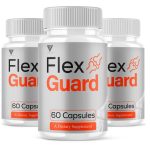
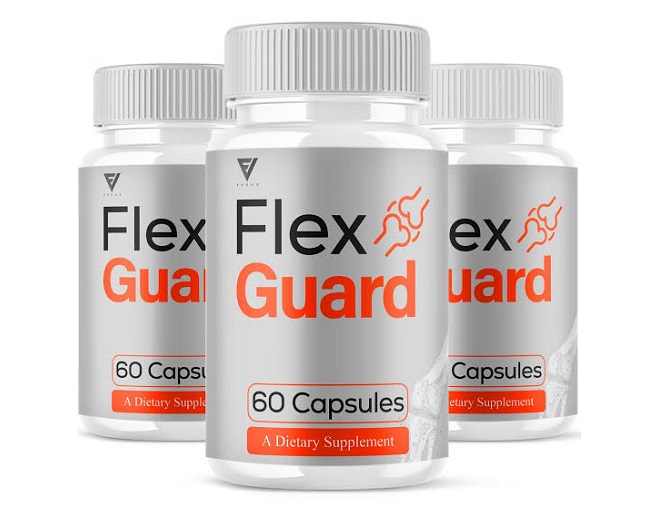
FlexGuard is a daily joint support supplement for adults looking to ease stiffness and maintain everyday mobility. Its disclosed 14-ingredient lineup includes Folate, Vitamin B12, Magnesium, Cinnamon Extract, Ginkgo Biloba Extract, Bilberry Extract, Bacopa Monieri Extract, Green Tea Extract, Berberine HCl, L-theanine, Alpha Lipoic Acid, GPC Choline, Lutein, and Zeaxanthin.
Anyone comparing joint supplements will quickly spot something unusual about that label. Conventional joint formulas rely on compounds like glucosamine, chondroitin, MSM, collagen, Boswellia serrata, or turmeric. FlexGuard skips all of them, pairing basic micronutrients with blood-sugar botanicals, cognitive herbs, and eye-health carotenoids instead.
Before spending money on a bottle, buyers need clear answers about how this formula actually aligns with joint comfort, what scientific research supports it, and where critical label details are missing. This review examines the verified facts behind FlexGuard, the gaps in its documentation, potential side effects, and how it stacks up against standard joint supplements.
What Is FlexGuard?
FlexGuard is an oral dietary supplement positioned for joint flexibility, comfort, and daily movement. In the United States, dietary supplements are regulated under the Dietary Supplement Health and Education Act (DSHEA) rather than pre-market drug rules. That means the U.S. Food and Drug Administration (FDA) does not review or approve finished supplements for effectiveness or safety before sellers put them on the market.
Shoppers searching for this product also run into a naming problem. Multiple unrelated supplements share the FlexGuard name across online marketplaces:
-
Marketplace capsule listings (including bottles associated with Titan Labs, typically sold as 60 capsules for a two-capsule daily serving) that use this 14-ingredient blend of vitamins, herbs, and carotenoids.
-
Paragon Wellness FlexGuard, a completely different joint formula built around Boswellia serrata, turmeric, ginger, selenium, and hydrolyzed type II collagen.
-
Daelife FlexGuard, a powdered drink mix made with lemongrass, cat’s claw, scutellaria root, and corn peptides.
-
VetNova Titanium FlexGuard, an equine joint product formulated with glucosamine, MSM, or boswellia for horses.
Because different manufacturers use the exact same brand name, checking the physical bottle label and the full Supplement Facts panel is essential before buying.
FlexGuard is not designed to diagnose, treat, cure, or prevent osteoarthritis, rheumatoid arthritis, ligament injuries, or any medical condition. It does not replace physical therapy, medical care, or proven joint-management strategies.
How Does FlexGuard Supplement Work?
No clinical trials have tested the finished FlexGuard supplement on human joint pain, stiffness, or mobility. To understand how the formula might act in the body, look at what its 14 individual ingredients do on their own—and where that falls short of proven joint support.
Standard joint supplements aim to protect cartilage, lubricate joints, or calm localized inflammation using targeted structural nutrients or standardized plant extracts. FlexGuard takes an indirect approach by combining four unrelated nutritional categories:
-
General antioxidant support: Green tea extract, bilberry extract, alpha lipoic acid, and cinnamon extract supply polyphenols and antioxidants that help manage cellular oxidative stress. While oxidative stress contributes to tissue aging, general antioxidants rarely provide noticeable relief from mechanical joint stiffness.
-
Blood-sugar and metabolic regulation: Berberine HCl, cinnamon extract, and alpha lipoic acid are best known in research for supporting healthy glucose metabolism and insulin sensitivity. Better metabolic health can lower systemic inflammation over time, though these compounds are not primary joint-care tools.
-
Muscle and nerve support: Magnesium helps muscles contract and relax normally, while Vitamin B12, folate, and alpha lipoic acid support healthy nerve signaling and cellular energy. Supporting surrounding muscles and nerves can improve general physical comfort without repairing worn cartilage.
-
Brain and eye ingredients: Ginkgo biloba, bacopa monnieri, L-theanine, GPC choline, lutein, and zeaxanthin belong to memory, focus, and vision supplements. Their inclusion points to a broad wellness blend rather than a purpose-built orthopedic formula.
Two major unknowns also limit what buyers can expect: dosage and ingredient interaction. Without listed milligram amounts, there is no way to know if any ingredient reaches the levels used in human studies, or if squeezing 14 compounds into two capsules leaves most of them underdosed.
FlexGuard Ingredients List:
Examining all 14 disclosed ingredients clarifies what each compound is actually studied for—and why the formula looks so different from conventional joint supplements.
Vitamins and Minerals
-
Folate: A B vitamin required for DNA synthesis, red blood cell production, and homocysteine metabolism. It supports general cellular repair, but research does not support folate as a direct remedy for joint aches. High supplemental doses of folic acid can also hide an underlying Vitamin B12 deficiency.
-
Vitamin B12: Essential for nerve health and red blood cell formation. Correcting a deficiency relieves nerve symptoms like tingling or fatigue, yet extra B12 offers little direct joint-mobility benefit to adults who already get enough from food.
-
Magnesium: An essential mineral involved in over 300 enzymatic reactions, including muscle relaxation, nerve signaling, and bone health. Low magnesium can worsen muscle tightness and cramps. However, absorption varies widely by form—magnesium oxide absorbs poorly and often causes loose stools compared with magnesium glycinate or citrate—and FlexGuard does not specify which form it uses.
Botanical and Herbal Extracts
-
Cinnamon Extract: Researched mainly for modest improvements in fasting blood sugar and cholesterol markers. While cinnamon contains antioxidant polyphenols, human trials showing meaningful joint relief are lacking. Concentrated Cassia cinnamon can also contain high levels of coumarin, a compound linked to liver stress at large doses.
-
Ginkgo Biloba Extract: Standardized Ginkgo biloba leaf extract is studied for circulation and memory, with mixed clinical results. It is rarely used for joint health and can increase bleeding risk when combined with blood thinners or daily pain relievers.
-
Bilberry Extract: Rich in anthocyanins, bilberry is widely sold for antioxidant support and eye comfort. Solid human evidence showing that bilberry improves joint mobility is scarce.
-
Bacopa Monieri Extract: An herbal extract studied primarily for memory recall and cognitive processing over eight to twelve weeks of daily use. It has no established role in joint or cartilage care and can cause mild stomach upset.
-
Green Tea Extract: Supplies catechins such as EGCG, which show anti-inflammatory activity in laboratory and animal studies. Human clinical evidence for osteoarthritis remains preliminary, and concentrated green tea extracts have been linked in rare cases to liver irritation, particularly when taken on an empty stomach.
Bioactive Compounds, Amino Acids, and Carotenoids
-
Berberine HCl: A plant alkaloid backed by strong clinical research for blood sugar and lipid control. Despite its metabolic benefits, berberine is not a joint supplement, frequently triggers digestive side effects, and interacts with numerous prescription drugs.
-
L-theanine: An amino acid found in green tea leaves that promotes calm focus without drowsiness. Lower stress can make everyday discomfort easier to manage, but L-theanine does not affect cartilage or joint fluid.
-
Alpha Lipoic Acid: A mitochondrial antioxidant studied primarily for diabetic nerve discomfort and metabolic oxidative stress. It may support nerve comfort in specific situations, though evidence for mechanical joint stiffness is limited.
-
GPC Choline: A choline compound that supplies raw material for acetylcholine, a neurotransmitter tied to memory and muscle signaling. It is common in brain-health and pre-workout formulas rather than joint products.
-
Lutein and Zeaxanthin: Carotenoid pigments concentrated in the human retina that filter blue light and protect vision. Both nutrients are well supported for macular eye health at proper doses, yet neither plays an established role in joint comfort.
Why missing quantities matter: Clinical studies use specific daily amounts—such as 200–400 mg of magnesium, 900–1,500 mg of berberine, or 10 mg of lutein paired with 2 mg of zeaxanthin. Standard two-capsule servings typically hold around 1,000 to 1,400 mg of total powder. Dividing that space across 14 different ingredients makes it practically impossible for most of them to reach clinical doses.
Benefits & Practical Use Cases
Looking at FlexGuard through a practical consumer lens requires separating general nutritional coverage from targeted joint relief.
Where FlexGuard May Be Useful
-
Broad daily nutrient variety: Adults whose diets fall short on leafy greens, magnesium-rich foods, and plant polyphenols get a wide mix of micronutrients and antioxidants in a single bottle.
-
Indirect muscle and nerve support: Magnesium, Vitamin B12, and alpha lipoic acid support normal muscle relaxation and nerve signaling, which can help adults dealing with general physical tension alongside stiffness.
-
Simple daily routine: Taking two capsules once a day is easier than managing half a dozen separate bottles of vitamins and herbal extracts.
Where It Falls Short for Joint Buyers
-
Missing core joint ingredients: FlexGuard contains zero glucosamine, chondroitin, MSM, collagen, hyaluronic acid, Boswellia serrata, or standardized curcumin.
-
No proof of joint relief: No independent data confirms that taking this 14-ingredient combination improves joint flexibility, reduces swelling, or eases everyday aches.
-
Paying for unrelated ingredients: Shoppers looking specifically for knee, hip, shoulder, or hand comfort end up paying for eye carotenoids, memory herbs, and blood-sugar alkaloids that do not target joint tissue.
Who Should Use FlexGuard Joint Supplement?
FlexGuard suits a narrow group of shoppers who understand what is actually inside the bottle.
Who might consider FlexGuard:
-
Adults looking for an all-in-one wellness capsule who have checked the exact Supplement Facts panel, verified the seller, and intentionally want a mix of B vitamins, magnesium, antioxidants, and herbal extracts.
-
Buyers who view the product as general nutritional support rather than a targeted fix for joint pain or cartilage wear.
Who should choose an alternative:
-
Adults seeking targeted joint or cartilage support: Anyone dealing with persistent knee, hip, back, or hand stiffness will get far better alignment from proven joint formulas—such as standardized Boswellia serrata, curcumin, undenatured type II collagen, or glucosamine and chondroitin—paired with physical activity or physical therapy.
-
People taking daily medications: Berberine HCl, ginkgo biloba, cinnamon extract, green tea extract, and alpha lipoic acid can interfere with prescription drugs, including blood thinners, diabetes medications, and blood pressure treatments.
-
Shoppers with sensitive stomachs: Combining berberine, magnesium, green tea extract, and bacopa monnieri in one serving increases the odds of digestive discomfort.
Safety, Side Effects & Precautions
Combining 14 active compounds in a single supplement creates real safety considerations that buyers should weigh carefully.
Potential Side Effects
-
Digestive upset: Stomach cramping, nausea, acid reflux, bloating, constipation, or loose stools can occur with berberine HCl, certain forms of magnesium, green tea extract, alpha lipoic acid, and bacopa monnieri.
-
Blood-sugar and blood-pressure changes: Berberine HCl, cinnamon extract, and alpha lipoic acid can lower blood glucose, potentially causing dizziness or lightheadedness in people using diabetes medications or skipping meals.
-
Liver cautions: Concentrated green tea extracts—especially high-EGCG formulas taken on an empty stomach—and high-coumarin Cassia cinnamon extracts have been linked in rare cases to elevated liver enzymes.
-
Bleeding risk with pain relievers: Ginkgo biloba extract can increase bleeding risk when combined with anticoagulants, aspirin, or common over-the-counter NSAIDs like ibuprofen and naproxen—medications that many joint-pain shoppers already take regularly.
Usage Restrictions and Precautions
-
Pregnancy and nursing: Berberine HCl, ginkgo biloba, bacopa monnieri, and concentrated green tea extracts lack sufficient safety data for pregnant or breastfeeding women and should be avoided.
-
Before surgery: Doctors routinely advise stopping ginkgo biloba and metabolic botanicals at least two weeks prior to scheduled surgery to reduce bleeding and anesthesia interaction risks.
-
Inspecting marketplace bottles: When ordering from third-party sellers, check the delivered bottle for an intact safety seal, a legible expiration date, manufacturer contact information, and a complete Supplement Facts table before taking any capsules.
Pros & Cons of FlexGuard Joint Support Capsules:
| Pros | Cons |
| Combines 14 recognizable vitamins, minerals, carotenoids, and plant extracts in one capsule product | Omits established joint ingredients such as glucosamine, chondroitin, MSM, collagen, boswellia, or curcumin |
| Supplies folate, Vitamin B12, and magnesium to support general cellular, nerve, and muscle function | Exact milligram and microgram amounts per ingredient are not disclosed in the reference details |
| Convenient once- or twice-daily capsule routine compared with taking multiple separate bottles | No clinical studies test the finished formula for joint comfort, stiffness, or mobility |
| Free from caffeine and harsh stimulants | Botanicals like berberine, ginkgo biloba, and green tea extract can trigger GI upset or interact with NSAIDs and prescription drugs |
Customer Feedback: What Do Buyers Say?
Verifiable, long-term customer feedback for this specific 14-ingredient FlexGuard supplement is limited. Online mentions of “FlexGuard” are scattered across several completely different products—including Paragon Wellness FlexGuard, Daelife FlexGuard drink sachets, VetNova equine joint supplements, and third-party marketplace listings for Titan Labs Flex Guard capsules.
Because multiple unrelated products share the same name, shoppers reading online reviews can easily mistake feedback meant for a Boswellia-and-turmeric joint formula or a botanical beverage mix for the 14-ingredient capsule sold on eBay. Marketplace star ratings also frequently reflect fast shipping or intact packaging rather than measurable improvements in joint mobility.
Right now, there is not enough reliable buyer data to confirm how typical customers respond to this formula over weeks or months of use.
Pricing, Warranty or Refund Policy
Because FlexGuard is referenced through an active third-party eBay listing rather than a direct manufacturer store, final pricing, shipping fees, and return rules depend on the individual seller and current listing terms.
What to Check Before Completing Checkout
-
Price and cost per serving: Add up the item price, shipping fee, and sales tax at checkout, then divide by the total servings listed on the bottle (for example, 30 servings for a 60-capsule bottle at two capsules per day). Compare that daily cost against transparent, single-purpose joint supplements.
-
One-time purchase vs. recurring billing: Standard eBay listings are one-time purchases rather than automatic subscriptions, though verifying the checkout summary ensures no unwanted multi-pack or recurring terms are selected.
-
Returns and buyer protection: Many third-party supplement sellers only accept returns on unopened, factory-sealed bottles within a 14- or 30-day window and require buyers to cover return shipping. Review the seller’s return tab and platform buyer-protection rules before ordering.
-
Warranty and support: Dietary supplements rarely include a long-term warranty, and customer support typically runs through the individual marketplace seller rather than a dedicated brand team.
Bonuses
No verified bonus items, free digital guides, or promotional add-ons are included in the product details, so buyers should not factor extra promotional value into their decision.
Frequently Asked Questions (FAQs)
Q. What are FlexGuard Capsules used for?
FlexGuard is marketed online as a daily joint support supplement intended to help maintain joint comfort, flexibility, and mobility. However, its 14 listed ingredients focus on B vitamins, magnesium, blood-sugar botanicals, memory herbs, and eye carotenoids rather than traditional cartilage nutrients, and it is not approved to treat any joint condition.
Q. Does FlexGuard contain standard joint ingredients like glucosamine or turmeric?
No. The disclosed ingredient list—Folate, Vitamin B12, Magnesium, Cinnamon Extract, Ginkgo Biloba Extract, Bilberry Extract, Bacopa Monieri Extract, Green Tea Extract, Berberine HCl, L-theanine, Alpha Lipoic Acid, GPC Choline, Lutein, and Zeaxanthin—contains no glucosamine, chondroitin, MSM, collagen, Boswellia serrata, or turmeric/curcumin.
Q. How does FlexGuard Supplement work?
No clinical studies have tested how the combined FlexGuard formula behaves in the body. Individually, its ingredients support cellular energy and muscle or nerve function (magnesium, B12, folate, alpha lipoic acid), glucose metabolism (berberine, cinnamon), cognitive focus (bacopa, ginkgo, L-theanine, GPC choline), and eye health (lutein, zeaxanthin, bilberry) rather than rebuilding cartilage.
Q. What are the biggest limitations of FlexGuard?
The primary drawbacks are the mismatch between its joint-health marketing and its ingredient list, missing milligram dosages for each ingredient, and the lack of clinical research on the finished product. Fitting 14 compounds into a standard daily capsule serving also makes it likely that several ingredients fall below clinically studied amounts.
Q. Are there side effects or drug interactions to watch for?
Yes. Berberine HCl, magnesium, green tea extract, alpha lipoic acid, and bacopa monnieri can cause stomach upset, cramping, or changes in bowel habits. Ginkgo biloba and berberine can also interact with prescription drugs and over-the-counter NSAID pain relievers such as ibuprofen or naproxen, raising bleeding or metabolic interaction risks.
Q. Why are there different products named FlexGuard online?
Multiple unrelated brands use the FlexGuard name, including a Boswellia-and-turmeric joint capsule from Paragon Wellness, a botanical drink mix from Daelife, an equine supplement from VetNova, and third-party marketplace capsules. Always verify the exact Supplement Facts panel before buying.
Q. How much does FlexGuard cost, and can it be returned?
Current pricing, shipping charges, and return conditions depend on the active eBay listing and the specific seller’s policies at checkout. Many marketplace supplement sellers only accept returns on unopened, sealed bottles within a set window, so check the return policy before ordering.
Q. Is FlexGuard better than a standard joint supplement?
For most shoppers specifically looking to ease joint stiffness or support mobility, a transparently dosed joint supplement containing clinically studied amounts of Boswellia serrata, standardized curcumin, undenatured type II collagen, or glucosamine and chondroitin aligns far better with existing joint research than FlexGuard’s 14-ingredient blend.
Final Verdict
Although FlexGuard is sold as a joint support supplement, its 14-ingredient formula—spanning Folate, Vitamin B12, Magnesium, Cinnamon Extract, Ginkgo Biloba Extract, Bilberry Extract, Bacopa Monieri Extract, Green Tea Extract, Berberine HCl, L-theanine, Alpha Lipoic Acid, GPC Choline, Lutein, and Zeaxanthin—resembles a general wellness, cognitive, blood-sugar, and eye-health blend far more than a targeted joint product.
Its main strengths are wide nutritional variety and convenient capsule dosing. Those advantages are outweighed for most joint-care shoppers by significant drawbacks: it leaves out proven joint-support compounds, lacks disclosed ingredient quantities in the available reference details, has no clinical testing on the finished formula, and includes potent botanicals like berberine and ginkgo biloba that can interact with common pain relievers and prescription medications.
Buyers specifically looking for joint comfort or mobility support will generally get better value from a transparently labeled joint formula—such as standardized Boswellia serrata, curcumin, or glucosamine and chondroitin—chosen with guidance from a healthcare professional. Anyone still considering FlexGuard should check the full Supplement Facts label, confirm exact ingredient dosages and seller return terms, and review potential drug interactions before purchasing.