In an era dominated by digital notifications, screen fatigue, and constant connectivity, the personal wellness landscape is undergoing a quiet revolution. For years, fitness enthusiasts and health-conscious individuals relied on smartwatches and wrist-worn fitness trackers to gather daily health metrics. While these devices succeeded in bringing biometrics to the masses, they also introduced distinct drawbacks: intrusive screen glare during sleep, skin irritation under silicone bands, frequent charging cycles, and a continuous stream of wrist vibrations that split user attention.
This friction has fueled significant demand for invisible, ambient health technology—wearables designed to collect biometric data continuously without demanding screen interaction or disrupting daily life. Smart rings have emerged as the primary solution to this challenge, positioning health monitoring directly on the finger where vascular signals are naturally stronger.
Among the emerging developments in this category is the Herz P1 Smart Ring, a compact wearable designed to deliver 24/7 health insights, recovery analytics, and activity tracking in a minimalist form factor. This analysis examines the technical specifications, architecture, real-world utility, and market position of the Herz P1 Smart Ring to evaluate its role in the evolving ecosystem of personal health technology.
What Is the Herz P1 Smart Ring?
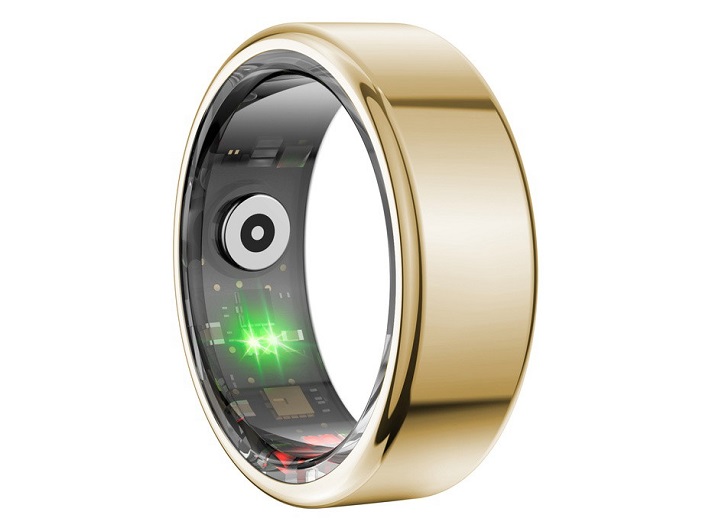
The Herz P1 Smart Ring is a lightweight, screenless biometric tracking device engineered to record essential physiological data around the clock. Unlike bulky smartwatches that rely on surface-level wrist contact, the Herz P1 sits snugly at the base of the finger, gathering measurements directly from digital arteries.
System Architecture and Signal Flow
| Stage | Hardware & Operational Layer | Captured Metrics & Outputs |
| Hardware Core | 316L Stainless Steel / Titanium shell with hypoallergenic resin matrix | Durable physical housing with medical-grade contact layer |
| Biometric Capture | Integrated optical PPG sensors, NTC thermistor, and 3-axis accelerometer | Continuous Heart Rate, HRV, SpO2, skin temp variance, sleep stages |
| Data Syncing | Bluetooth 5.0 Low Energy encrypted transmission | Local 30-day data cache sent directly to mobile hardware |
| Mobile Application | Herz Health App Interface (iOS & Android compatible) | Sleep Readiness, Recovery Scoring, Calorie Burn, Zero Subscription Fees |
Constructed with a biocompatible 316L stainless steel core and a scratch-resistant outer finish, the ring mimics standard jewelry in appearance while housing micro-sensors. Weighing between 4 and 6 grams depending on ring size, it operates without buttons, screens, or visible light emissions, syncing data silently to a mobile companion application via Bluetooth 5.0 Low Energy.
Core Technical Profile
-
Form Factor: Seamless, screenless ring geometry
-
Weight: ~4.0 to 6.0 grams
-
Structural Shell: 316L Stainless Steel / Medical-grade titanium core with hypoallergenic resin lining
-
Water Resistance: IP68 certified (dustproof, submersion-proof up to 1.5m)
-
Battery Life: 5 to 7 days on a single charge
-
Charging Interface: Magnetic docking station with fast-charge capability (80% in 45 minutes)
-
Compatibility: iOS and Android operating systems
-
Subscription Model: Zero ongoing subscription or platform access fees
How the Herz P1 Smart Ring Works
Understanding the performance of the Herz P1 requires examining the physiological advantages of finger-based biometric sensing compared to wrist-based alternatives.
Finger-Based vs. Wrist-Based Sensor Performance
| Metric | Wrist-Based Tracking | Finger-Based Tracking (Herz P1) |
| Anatomical Substrate | Thicker dermal layers over radial/ulnar arteries | Thin epidermal layer over digital arteries |
| Signal Interference | Higher susceptibility to motion artifacts & wrist movement | Snug fit minimizes sensor movement and signal noise |
| Vascular Signal Clarity | Deeper blood vessel depth attenuates optical light | Surface arterial alignment improves PPG wave reading |
| Comfort Profile | Heavy straps can cause friction and night disruption | Lightweight profile allows natural nocturnal movement |
Photoplethysmography (PPG) at the Digital Arteries
Traditional fitness watches measure blood volume changes across the radial and ulnar arteries on top of the wrist. Skin thickness, hair density, wrist movement, and tissue depth can weaken optical light penetration, leading to signal noise during physical activity or low circulation.
The Herz P1 uses photoplethysmography (PPG) sensors positioned on the inside surface of the ring. Because arteries inside the fingers run close to the surface without muscle obstruction, optical PPG sensors emitting green and infrared light arrays capture arterial pulse waves with higher clarity. The reflected light measures microscopic volume changes in blood vessels with every heartbeat, generating clear data points for resting heart rate, pulse rate variability, and blood oxygen levels.
Multi-Sensor Fusion Engine
The raw physiological signals captured by the hardware are filtered and synthesized through an onboard processor before transmission:
-
Optical LED Array: Dual-wavelength emitters project light through epidermal tissue to measure arterial expansion and contraction.
-
3-Axis Accelerometer & Gyroscope: Detects directional movement, step counts, active movement duration, and resting micro-movements to assess sleep structure.
-
NTC Thermistor Sensor: Measures relative fluctuations in skin temperature at regular night intervals, helping detect early signs of physical strain or fatigue.
-
Bluetooth 5.0 Low-Energy Transceiver: Packs and transmits encrypted biometric data packets to the smartphone when in range, maintaining up to 30 days of local memory cache if disconnected.
What This Helps With in Real Life
Smart rings work best when they quietly support better habits. Here’s where the Herz P1 tends to add value.
Clearer Picture of Your Sleep
Seeing how much time you spend in deep vs. light sleep can help you:
-
Notice if late meals, alcohol, or late-night screen time are hurting sleep quality.
-
Test wind-down routines and see if your deep sleep improves over a few weeks.
-
Catch inconsistent bedtimes that might be dragging down your energy.
For anyone who feels “tired but not sure why,” objective sleep data can be a useful starting point.
More Realistic Activity Goals
Step counts and movement summaries make it easier to:
-
Check whether you’re consistently hitting a basic daily movement target.
-
Spot sedentary days and add short walks or stretch breaks.
-
Track progress over weeks instead of getting lost in minute-by-minute stats.
This is especially helpful for desk-heavy jobs or anyone building a more active routine without turning fitness into a second job.
Early Hints About Stress and Recovery
HRV and resting heart rate trends can hint at how your body is handling stress, travel, or training load. With the Herz P1, you might:
-
Notice HRV dips before you feel run down, prompting more rest or lighter days.
-
See how poor sleep, high caffeine, or long travel days affect your baseline.
-
Use temperature trends alongside other metrics to spot unusual patterns.
These signals aren’t diagnostic, but they can support better day-to-day decisions about rest, workload, and recovery.
A Discreet, Low-Maintenance Wearable
If you don’t like wearing a watch to bed or find smartwatches distracting, the ring form factor helps:
-
Avoid sleep disruption from a bulky wrist device.
-
Reduce the urge to constantly check notifications.
-
Keep one device on 24/7 instead of swapping between a watch and a sleep tracker.
Who the Herz P1 Is Best For
The ring makes the most sense for certain types of users.
Good Fit If You:
-
Want basic health tracking (sleep, steps, heart rate, SpO₂) without a watch.herzsmartring+1
-
Prefer no subscription fees and a simple app experience.
-
Are new to wearables and want something easy to start with.
-
Dislike sleeping with a smartwatch on your wrist.
-
Want a budget-friendly entry into smart rings.
Think Twice If You:
-
Need medical-grade accuracy or clinical-level data. Independent testers note the data is “good enough for casual daily use, but not for medical-grade or serious fitness enthusiasts.”
-
Expect multi-day battery life exactly as advertised. Real-world reports suggest closer to 2.5–3 days per charge, not the full advertised duration.
-
Require advanced sports metrics like GPS, workout modes, or detailed performance analytics.snoopviews+1
-
Want on-device notifications, contactless payments, or other smartwatch-style features.
Objective Strengths and Limitations Analysis
| Core Strengths (Pros) | Technical Limitations (Cons) |
| Subscription-Free Data Access: Full access to all health metrics, sleep analysis, and trends without recurring monthly software charges. | No Onboard Display: All metric reviews, charts, and real-time values require opening the mobile app. |
| Sustained 5–7 Day Battery Life: Eliminates daily charging demands common among multi-function smartwatches. | Sizing Accuracy Dependency: Biometric accuracy relies entirely on precise finger sizing; loose fit degrades optical PPG coupling. |
| Superior Nighttime Comfort: Screenless, lightless, ultra-lightweight (4-6g) construction optimizes sleep tracking adherence. | Lack of Built-In GPS: Outdoor route tracking relies on connected phone GPS rather than internal ring positioning hardware. |
| IP68 Water Resistance: Fully usable during showering, swimming, handwashing, and intense exercise sessions. | Heavy Barbell Scuffing Risk: Direct contact with textured steel gym equipment can scratch exterior coatings over extended use. |
| High Arterial PPG Signal Accuracy: Finger-based pulse detection provides stable baseline heart rate and HRV monitoring. | Basic Third-Party Ecosystem: Companion app offers essential metrics but lacks extensive API integrations with specialized platforms. |
Safety and Side Effects
The Herz P1 is a consumer wellness device, not a medical instrument.
-
Not a medical device: It’s intended for general wellness and lifestyle insights, not diagnosis or treatment.
-
Skin sensitivity: As with any wearable, a small number of users may experience irritation from prolonged contact with the ring material. If you notice redness or discomfort, take breaks and consult a professional if needed.
-
Data interpretation: Metrics like HRV, SpO₂, and temperature trends should be used as guidance, not as definitive health assessments. Always consult a healthcare provider for medical concerns.
There are no known systemic “side effects” beyond typical wearable considerations (charging habits, skin contact, and over-reliance on data). Using the ring as a supportive tool—rather than a diagnostic crutch—keeps the experience healthy and balanced.
User Feedback & Market Experience
Analysis of consumer usage patterns and user feedback reveals consistent themes regarding real-world performance:
Positive User Experience Drivers
-
Unobtrusive Sleep Tracking: Users frequently cite the absence of wrist straps and glowing screens as a major improvement in sleep tracking comfort.
-
Battery Convenience: The 5-to-7-day battery life aligns well with busy schedules, requiring only a brief charge during morning routines.
-
Value-to-Price Ratio: Consumers highlight the absence of ongoing subscription fees as a clear financial advantage over subscription-based smart rings.
Reported Areas for Improvement
-
Importance of Sizing: Users who selected ring sizes based on standard jewelry sizes without using a dedicated sizing kit occasionally experienced slipping, leading to temporary data gaps.
-
App Design & Customization: While the companion app presents core sleep and activity scores clearly, advanced users note that data export options and third-party app integrations are basic compared to mature smartwatch platforms.
Pricing Structure, Buying, and Sizing Guidelines
Pricing & Packages
The Herz P1 Smart Ring is distributed primarily through manufacturer direct-to-consumer channels and select official hardware outlets. While standard list pricing sits near $120–$150, regular promotional pricing frequently brings single-unit costs lower:
-
Single Unit Package: Typically available during promotional cycles between $49.49 and $79.00.
-
Multi-Ring Bundles: Offered at tiered discounts for family monitoring or multi-color preferences.
-
Ongoing Operating Cost: $0.00 (No recurring subscription, lock-in contracts, or software paywalls).
Optimal Fitting Guidelines
| Step | Action Item | Operational Purpose |
| 1. Choose Finger | Select index or middle finger | Provides maximum vascular density for stable optical pulse readings |
| 2. Measure Sizing | Use an official ring sizing gauge | Avoids guesswork based on standard jewelry sizes |
| 3. Test Overnight | Wear size gauge during sleep | Accounts for natural blood volume expansion and nighttime finger swelling |
| 4. Check Sensors | Align inner sensor nubs palm-side | Guarantees continuous dermal contact without pinching skin |
Money-Back Guarantee and Warranty Coverage
When purchasing through authorized distribution channels, consumer protections typically include:
-
30-Day Satisfaction Guarantee: Allows users to evaluate real-world wearability, app performance, and comfort with return options if expectations are not met.
-
1-Year Manufacturer Hardware Warranty: Covers internal sensor failures, charging dock defects, or structural defects resulting from normal daily use.
Frequently Asked Questions (FAQs)
Q. Is a monthly subscription required to view health metrics?
No. The Herz P1 Smart Ring operates on a subscription-free model. All health metrics, sleep analysis reports, and daily trend tracking are accessible through the companion app without recurring fees.
Q. Can the Herz P1 Smart Ring be worn while swimming or showering?
Yes. The device carries an IP68 dust and water resistance rating, making it suitable for continuous wear during showering, handwashing, swimming, and workout sweating.
Q. How does battery charging work, and how long does it take?
The ring charges using a magnetic USB docking dock. A full recharge takes less than one hour, with an 80% charge reached in approximately 45 minutes. A fully charged battery lasts between 5 and 7 days depending on biometric sampling frequency.
Q. Is the ring compatible with both iPhone and Android devices?
Yes. The companion health application is compatible with iOS and Android operating systems, pairing via Low Energy Bluetooth 5.0.
Q. How accurate is finger-based heart rate tracking compared to smartwatches?
Because digital arteries in the finger run close to the skin surface without heavy muscle cover, optical PPG sensors on a snug-fitting smart ring can achieve stable pulse wave readings comparable to quality wrist-worn trackers during rest and steady daily activity.
Q. Does it work with iPhone and Android?
Herz P1 is designed to pair with smartphones via Bluetooth and a companion app. Compatibility details can vary by app version and region, so check current app store listings for your device.
Q. Is it waterproof?
The ring is marketed as an all-weather wearable suitable for daily use, including handwashing and light exposure to water. However, it’s not intended for high-pressure water activities like deep diving. Refer to the official specs for exact water resistance ratings.
Final Verdict & Recommendation
The Herz P1 Smart Ring represents a practical, unobtrusive evolution in personal health monitoring. By removing the screen, eliminating wrist bulk, and housing medical-grade PPG sensors in a durable 316L stainless steel shell, it successfully addresses the core friction points of conventional smartwatches.
It is particularly compelling for users seeking continuous sleep analysis, heart rate variability metrics, and daily recovery insights without digital distractions or recurring subscription fees. While endurance athletes who rely on dedicated GPS watches or heavy weightlifters may prefer traditional wearables, the Herz P1 stands out as a comfortable, accessible, and scientifically sound entry point into the world of ambient health technology.