Your car’s paint tells a story. Every scratch, scuff, and swirl mark adds chapters you didn’t choose to write. A parking lot mishap. A gossiping branch. Kids are playing too close to the door. These moments accumulate, and suddenly that showroom shine feels like a memory from another life.
You’ve probably seen the ads promising a miracle solution. Wipe once, and the scratch disappears. No tools. No body shop bills. Just magic in the form of a cloth that claims nanotechnology can fix what years of driving have damaged.
NanoPolix Scratch Remover is one of those products. It’s gaining attention online, marketed as a reusable nano car cloth that removes scratches, scuffs, oxidation, and paint imperfections in seconds. The demonstrations look impressive. But before you invest in this viral detailing product, you need to understand what it actually does—and what it doesn’t.
This isn’t about selling you anything. It’s about giving you the facts so you can decide whether NanoPolix is worth your money or if you’d get better results from proven alternatives.
What Is the NanoPolix Scratch Remover?
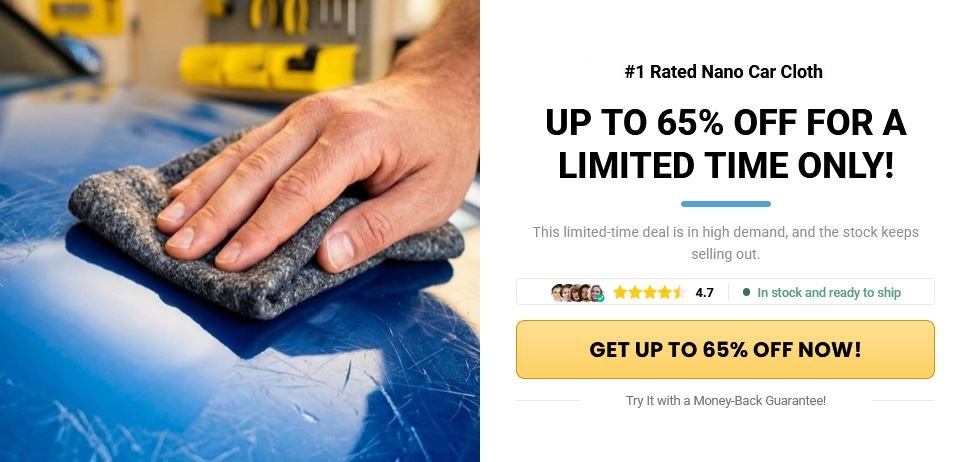
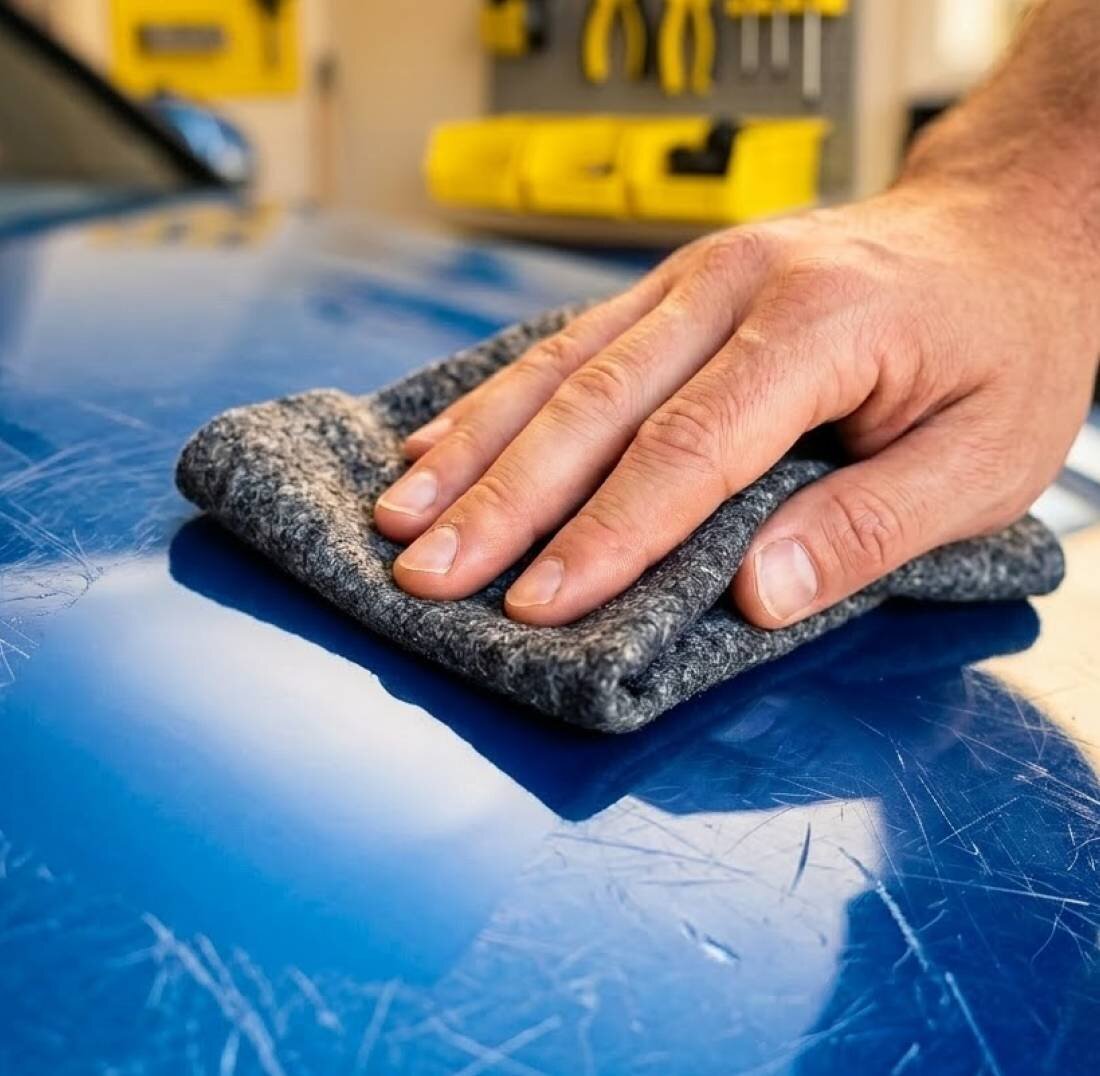
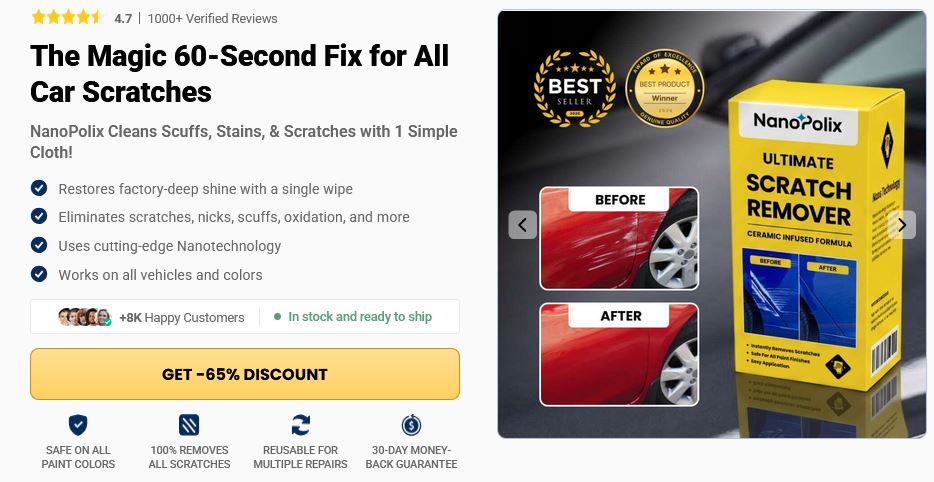
The NanoPolix Scratch Remover is a portable car care kit designed to tone down the appearance of surface-level paint blemishes, scuffs, light oxidation, and minor stains. Unlike traditional liquid rubbing compounds or heavy abrasive pastes that come in messy plastic bottles, the core of the NanoPolix system relies on pre-saturated cloths—often called “nano sparkle cloths”—paired with a specialized polishing formula.
The product is formulated to be universally compatible with all standard automotive paint finishes and clear coats, regardless of your car’s color. It positions itself as an intermediate solution for regular car owners who want to handle minor cosmetic upkeep at home without committing to a full, expensive detailing job.
The Science: How NanoPolix Scratch Remover Cloth Actually Works
To understand whether a scratch remover will actually work, you have to look at the different layers of your car’s paint. Modern factory paint jobs generally have three main layers applied over the metal or plastic body panels: the primer, the base coat (which gives the car its actual color), and the clear coat. The clear coat is the see-through, protective top layer that seals the paint and provides UV protection and shine.
Most everyday marks—like the fingernail scratches behind door handles, light bush abrasions, or scuffs from automatic car wash brushes—happen entirely within that clear top layer. When sunlight hits these microscopic grooves, it reflects unevenly, making the scratch stand out to your eye as a dull white line.
NanoPolix tackles this issue using a two-part approach:
-
Micro-Abrasive Smoothing: The pre-saturated cloth and paste contain incredibly fine polishing agents. When you rub the cloth against the paint with mild physical pressure, these agents gently smooth down the sharp, microscopic edges of the scratch, leveling out the surrounding clear coat.
-
Refractive Index Matching: The liquid formula is packed with silicone fluids, micro-waxes, or specialized polymers designed to flow directly into the remaining valley of the scratch. By filling this groove with a material that bends light the exact same way your factory clear coat does, the product changes how light bounces off the surface. Instead of scattering, the light reflects evenly, making the scratch virtually invisible to the naked eye.
-
Gloss Boost: Beyond hiding the scratch, the leftover polymers leave behind a temporary protective film that makes water bead up and gives the paint a deep, freshly waxed appearance.
What the Product Actually Contains?
NanoPolix marketing does not provide a publicly available ingredient list or detailed technical specification sheet for the cloth. This is uncommon for established automotive care brands, which typically disclose product components for safety and transparency reasons.
The product is described as a cloth rather than a liquid compound, which means it likely contains embedded polishing agents rather than traditional scratch remover ingredients like silica or aluminum oxide (common abrasives), diminishing abrasives found in products like Meguiar’s Scratch Eraser, wax or sealant components for temporary protection, or solvents for cleaning and penetration.
Without disclosed ingredients, consumers cannot verify what active substances are contacting their vehicle’s paint. Established brands like Meguiar’s, Autoglym, and Turtle Wax provide full ingredient disclosure on their packaging and websites.
The cloth’s reusability is claimed, but the product documentation does not specify how many uses are expected before the cloth loses effectiveness or requires replacement.
Real-Life Use Cases: Where NanoPolix Car Cloth Excels
When used correctly on the right kinds of marks, the NanoPolix system offers some great benefits for quick garage maintenance.
Fixing Parking Lot Paint Transfers
One of the best uses for this kit is removing paint transfer. If another car’s bumper lightly scrapes against yours in a parking lot, it often leaves a layer of foreign paint on top of your clear coat rather than actually gouging your own paint. The micro-abrasives in this cloth are great at safely breaking down and lifting away that transferred paint.
Cleaning Up Door Handle Cavities
Over time, fingernails, keys, and rings inevitably leave a dense web of micro-scratches inside the curved cup behind car door handles. Because these areas are tightly curved, bulky mechanical buffers cannot reach them. The manual, flexible nature of this cloth makes it incredibly easy to get into those tight spots and polish them out by hand.
Removing Minor Environmental Etching
Bird droppings and tree sap contain highly acidic compounds. If left baking under the hot sun, they can chemically etch into your clear coat, leaving behind dull, hazy rings even after a thorough car wash. The chemical cleaners and fine abrasives in the solution help strip away this top-layer degradation, restoring a clean, uniform look.
Who Should Consider NanoPolix?
NanoPolix might be worth trying if you fit these criteria.
- You Have Light Surface Damage Only
The scratch doesn’t catch your fingernail when you run it across, damage is limited to clear coat, not primer or metal, and the scratch is recent (not years of oxidized damage).
- You Want a Low-Cost First Attempt
You’re not ready to spend $200+ on professional detailing, you’re willing to try DIY before paying for professional help, and you understand it might not work, and you’ll need alternatives.
- You Need Quick Touch-Ups Between Professional Services
You already use professional detailing regularly, you want to maintain appearance between visits, and you’re addressing minor issues before they worsen.
- You’re Comfortable With Uncertainty
You understand the product lacks independent verification, you’re okay with potentially temporary results, and you’ve researched alternatives and still want to try this.
Who Should Skip NanoPolix and Choose Alternatives?
Consider proven alternatives instead if:
- You Have Deep Scratches
If your scratch catches your fingernail or has exposed metal/primer, NanoPolix won’t fix it. You need professional paint correction or repainting.
- You Want Guaranteed, Permanent Results
Established compounds like Meguiar’s Scratch Eraser Kit have professional testing data, thousands of verified user reviews, decades of brand reputation, and clear ingredient disclosure.
- You’re Detailing a High-Value Vehicle
Luxury cars, new vehicles, or cars you’re planning to sell deserve professional-grade products with verified performance, products with known ingredients and safety data, and brands with long-term accountability.
- You’ve Tried Similar Products Before
If you’ve used other “nano sparkle cloths” and they didn’t work, NanoPolix likely won’t deliver different results. The technology is similar across these products.
- You Need Tax-Deductible Business Expenses
For commercial vehicles where detailing costs are business expenses, you want products from established companies (for warranty/accountability), clear documentation of product specifications, and professional-grade reliability.
An Honest Assessment: Pros and Cons
To give you a completely balanced view, let’s look objectively at both the strengths and the structural limitations of this product category.
The Pros
-
No Experience Needed: The system requires zero mechanical skills, backing plates, orbital polishers, or masking tape. Anyone can do it right out of the box.
-
Incredibly Fast: For a single, localized scuff, the whole process takes just a few minutes from the initial clean to the final wipe-down.
-
Works on Any Color: Because the formula targets the clear coat rather than the color pigment underneath, you can use it on white, black, metallic, or pearl paint without worrying about color-matching.
-
Super Portable: The sealed packaging lets you store the kit compactly in a glovebox or trunk organizer for quick touch-ups.
The Cons
-
Only Works on the Surface: The product is physically incapable of repairing deep scratches that have cut entirely through the clear coat to expose the base color, primer, or bare metal.
-
It is Temporary: Because a large part of the fix relies on chemical fillers and polymer fluids filling in the micro-scratches, the results will naturally fade over time after repeated trips through high-pH commercial car washes or harsh winter weather. You will need to reapply it periodically.
-
Hard Work for Big Areas: Hand-polishing takes physical effort. Trying to treat a large section of a vehicle by hand using a small cloth can leave you with uneven results compared to using a machine buffer.
Safety Guidelines and Avoiding Damage
When you use any chemical compound on a car’s exterior, using the right technique prevents you from accidentally making the damage worse.
- Watch Out for Micro-Marring
The biggest risk when using a scratch repair cloth is accidentally introducing new scratches, which detailers call micro-marring. If you do not thoroughly wash and dry the car panel before starting, the cloth will trap loose road grit, sand, or dust against the paint. As you rub, those trapped particles act like coarse sandpaper, creating fine swirl marks. Always make sure the surface is completely clean.
- Preserve Your Clear Coat Thickness
Factory clear coats are incredibly thin—often about the thickness of a sticky note. Because the NanoPolix kit contains micro-abrasives, it works by removing a microscopic layer of that clear coat to level the surface. Heavy, aggressive scrubbing in one single spot with extreme pressure can thin out your clear coat too much, reducing your car’s long-term UV protection in that area. Always use mild, progressive pressure.
- Protect Your Hands
The liquid solution contains petroleum distillates and synthetic polymers that can strip the natural oils from your skin if you handle it for a long time. Using protective nitrile or latex gloves is a smart precaution to avoid skin irritation. It is also best to work in a well-ventilated space, like an open driveway or garage with the main door open, to avoid breathing in concentrated fumes.
What Real Customers Say About NanoPolix Car Scratch Remover Cloth?
Looking at feedback across e-commerce sites, automotive forums, and consumer review platforms reveals a clear trend: user experiences depend entirely on whether the buyer understood what the product was actually meant to do.
The Positive Reviews
Users who leave glowing reviews usually talk about success with light scuff marks, paint transfers from garage door frames, and key marks around door handles. These buyers love the ease of use, noting that for a small price, they significantly improved an eyesore on their bodywork in under ten minutes. The extra shine and water-beading over the treated spot are frequently mentioned as great bonuses.
The Negative Reviews
On the flip side, negative reviews almost always come from people who tried to fix deep, structural paint damage. Reviews mentioning failure often point to deep key scratches from vandalism, stone chips that expose grey primer, or clear coats peeling off hoods and roofs. In these cases, buyers are frustrated that the product did not fix the problem—but that is an outcome that aligns with the physical limits of any wipe-on cosmetic product.
Some users also note that after three or four runs through a high-pressure commercial car wash, a previously hidden scratch slowly started to show up again as the chemical fillers washed away, highlighting the temporary nature of the fix.
NanoPolix Car Cloth Price, Availability, and Guarantees
The NanoPolix system is priced right in the affordable retail tier for DIY car maintenance products.
NanoPolix Buying Options
The product is mainly sold through its official online storefront, alongside availability on major e-commerce platforms and automotive specialty landing pages. Prices usually run between $14.99 and $29.99, depending on the specific package bundle, how many replacement cloths come in the kit, and any active seasonal promotions. Bulk packages are often available if you are looking to maintain multiple family cars.
The Rebranding Landscape
When shopping online, keep in mind that pre-saturated chemical cloths for paint scuffs are a widely manufactured product category. You can find very similar variations of these “nano cloths” sold under several different brand names on wholesale sites. NanoPolix simply represents a reliable consumer-facing packaging of this technology, backed by accessible customer service and standard kit accessories like application solutions and safety gloves.
Return Policies
To help ease any hesitation, official sellers usually back the product with a standard 30-day or 60-day satisfaction money-back guarantee. If you buy the kit and find it does not work on your specific blemish, you can start a return claim through their customer service portal. It is always a good idea to check the exact terms of the guarantee before checking out, as return shipping responsibilities or handling fees can vary depending on where you buy it.
Frequently Asked Questions
Q. Does NanoPolix actually remove scratches?
NanoPolix may reduce the appearance of very light surface scratches that haven’t penetrated below the clear coat. It does not permanently remove deep scratches that catch your fingernail or expose primer/metal.
Q. Will this work on deep scratches that show white or grey underneath?
No. If a scratch has cut all the way through your clear coat and exposed the undercoat primer (which usually looks dull grey or white) or bare metal, the clear coat is gone. No topical polishing cloth or filler paste can grow missing paint back. These deep issues require a dedicated touch-up paint pen that matches your vehicle’s factory paint code, or a trip to a body shop.
Q. Is NanoPolix safe to use on matte or satin paint finishes?
No, do not use it on matte or satin paint. Matte paints get their flat look from a specialized clear coat designed to scatter light. The abrasives and gloss-boosting polymers in this kit are made to smooth out surfaces and create a reflective shine. Using it on a matte surface will leave an unwanted, permanently glossy, shiny spot on your flat finish.
Q. How many times can I reuse a single cloth from the kit?
You can generally reuse a single cloth between 10 and 15 times, but it depends entirely on how you store it. Because the cloth relies on being saturated with active chemical conditioners, you have to put it right back into its airtight, resealable bag immediately after use. If you leave it sitting out in the open air, the solvents will evaporate, and the cloth will dry out and stop working.
Q. What should I do if the cloth accidentally drops on the ground?
If the cloth touches the ground (dirt, gravel, or the garage floor), throw it away immediately. Microfiber materials are designed to trap loose particles tightly. If you try to reuse a dropped cloth on your car, those trapped dirt particles will act like sandpaper, causing widespread scratching and marring across your paint.
Q. Do I really need to wash my car before using this?
Yes, this step is absolutely mandatory. You must thoroughly wash and completely dry the area before using the kit. Any leftover road film, dust, or tiny bits of sand will be dragged across the paint during the rubbing process, creating brand new swirl marks.
Q. What if NanoPolix doesn’t work on my scratch?
The brand offers a money-back guarantee, but specific terms are not clearly disclosed. Verify return conditions before purchasing, and consider using payment methods with buyer protection.
The Verdict: Is It Worth It?
The value of the NanoPolix Scratch Remover depends entirely on matching your expectations with reality. It is not a magical cure-all that will replace a professional body shop, but it is not a useless gimmick either. It is a highly practical, budget-friendly tool designed for a specific level of cosmetic paint damage.
If you buy this kit expecting it to erase deep gouges from a fender bender or restore a completely sun-faded, peeling hood, you will likely be disappointed. The formula cannot replace missing paint layers.
On the other hand, if you want to quickly clear up annoying surface scuffs, remove paint transfers from minor garage door scrapes, or clean up the hazy scratch patterns hiding inside your door handle cups, this kit offers an incredibly easy, affordable way to do it yourself. By gently smoothing out the edges of clear coat abrasions and filling the remaining microscopic grooves, it successfully hides minor visual flaws and brings back a clean, uniform shine.
Our Tip: For the best, longest-lasting results, wash the car thoroughly before you start, apply mild and steady hand pressure, and hit the treated area with a high-quality standard car wax or ceramic spray sealant afterward. This helps lock in the chemical fillers and keeps your paint looking great for much longer.