
High electric bills are a persistent headache for modern households. With an array of smart appliances, central AC systems, entertainment centers, and home offices running simultaneously, residential energy consumption has never been higher.
In response to rising utility costs, a category of devices known as “power factor correction devices” or “electricity stabilizers” has gained significant attention online. Among the most widely discussed products in this space is StopWatt.
Promoted as a plug-in solution to optimize home energy efficiency, the device promises to stabilize current and reduce wasted electricity. But how exactly do these devices interface with a home’s electrical system, and do they deliver measurable practical benefits?
This detailed analysis breaks down the technology, operational mechanisms, practical limitations, and consumer experiences surrounding StopWatt to help you make an informed decision.
What StopWatt is?
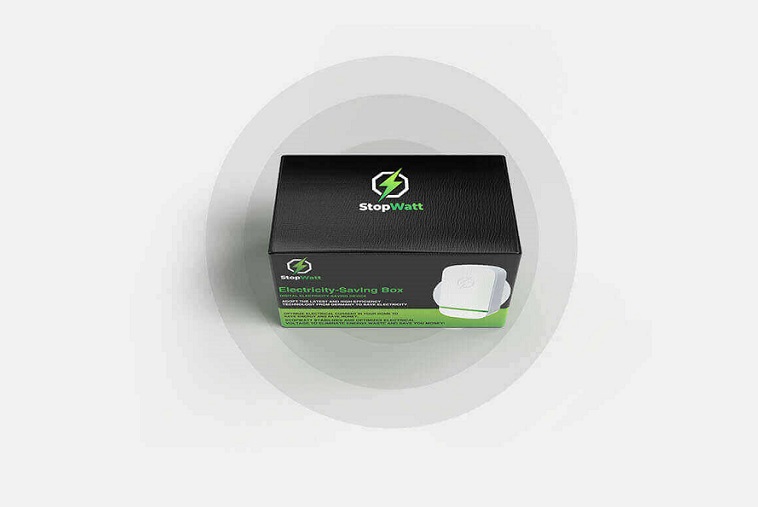
StopWatt is marketed as a plug-in electricity-saving device. The basic idea is that you connect it to an outlet and it supposedly helps improve power efficiency, stabilize electrical flow, and reduce wasted energy in the home.
That is a simple pitch, and simple pitches often sell well. But with products like this, the real issue is not whether the setup is easy. It is whether the device creates a measurable benefit that shows up on your bill.
Does StopWatt Energy Saver Work?
To understand what StopWatt does, it helps to look at how electricity enters and flows through a standard house. Residential alternating current (AC) power does not always flow in a perfectly smooth, uninterrupted wave. Instead, it is subject to various inefficiencies, often categorized as electrical noise, harmonic distortion, and power factor drops.
The device operates primarily on three fundamental principles of electrical management:
1. Power Factor Optimization
Household appliances, particularly those with inductive loads (devices with motors, such as refrigerators, air conditioners, washing machines, and vacuum cleaners), draw two types of power: active power (kilowatts, or kW), which performs the actual work, and reactive power (kilovolt-amperes reactive, or kVAR), which sustains the electromagnetic field required by the motor.
When a home has a low power factor, it means a significant amount of reactive power is being drawn. StopWatt contains internal capacitors designed to store and release reactive power locally. By providing this reactive current directly at the outlet level, it aims to align the voltage and current waveforms, theoretically optimizing the efficiency of inductive appliances.
2. Management of Electrical Noise (Harmonic Distortion)
Modern electronics—such as computer power supplies, LED bulbs, and television screens—utilize non-linear loads. These devices chop up the electrical current, creating “dirty electricity” or high-frequency harmonic distortion. This noise can travel backward into the home’s wiring, causing minor heat buildup in appliances and potentially shortening the lifespan of sensitive electronics. The internal circuitry of the stabilizer acts as a basic filter to smooth out these high-frequency ripples.
3. Basic Voltage Stabilization and Surge Mitigation
Spikes and minor surges occur daily within a residential grid, often triggered by heavy appliances cycling on and off. The device includes varistors (metal oxide varistors, or MOVs) designed to absorb minor transient voltage spikes, preventing them from traveling down the line to more vulnerable connected electronics.
Technical Specifications and Features Breakdown
While the device is enclosed in a sealed, user-friendly shell, its utility relies on specific internal components common to residential electrical conditioning tools.
-
Capacitor Array: The core functional component. Capacitors act like temporary, ultra-fast miniature batteries that store electrical energy when voltage peaks and discharge it when voltage dips, smoothing out the delivery of AC power.
-
Heavy-Duty Fire Retardant Shell: Safety is a critical consideration for any device plugged in 24/7. The outer casing is constructed from high-grade, heat-resistant, and flame-retardant ABS plastic to mitigate risks associated with overheating.
-
Internal Surge Protection Component: Built-in safeguards protect the unit itself, alongside nearby low-power electronics, from sudden, minor shifts in electrical current.
-
Plug-and-Play Architecture: Built with standard North American three-prong configurations, ensuring a secure connection into standard grounded outlets.
-
Low Self-Consumption Indicator: The integrated green LED light consumes a negligible amount of power (typically less than 0.5 watts), ensuring the device itself does not contribute to the energy load it is intended to stabilize.
Practical Benefits and Real-Life Use Cases
The real-world utility of an electricity stabilizer varies depending on the specific electrical environment of a given household.
Protecting Sensitive Electronics from Micro-Surges
In homes with older wiring or in areas prone to minor brownouts and grid instabilities, sensitive components in desktop computers, smart TVs, and home audio systems are vulnerable to premature wear. Utilizing a stabilizer helps create a more uniform power environment, acting as a secondary line of defense alongside dedicated surge protector power strips.
Reducing Motor Noise in Older Appliances
When older appliances with worn internal motors run, they often create audible humming or buzzing noises due to electrical feedback. By optimizing the local power factor for these specific inductive loads, users sometimes notice that older refrigerators or fans run slightly quieter and generate less ambient heat.
Mitigating the Effects of Dirty Electricity
For individuals living in highly dense urban environments or large apartment complexes where hundreds of electronic devices share the same local transformer, harmonic distortion is common. The filtering capability of a plug-in stabilizer helps reduce the baseline electrical noise traveling through internal walls.
Who may it suit?
StopWatt may appeal to people who are curious about energy gadgets and willing to test a low-cost idea for themselves. It also fits buyers who prefer plug-and-play products and do not want a complicated setup.
That said, it is better suited to cautious experimenters than to people who need dependable savings. If your goal is measurable cost reduction, you may want to start with more established energy-saving options.
Who should avoid it?
Anyone expecting guaranteed savings should probably pass. The strongest criticism of StopWatt is not that it is difficult to use, but that it may not do much of anything noticeable for the average home.
It is also a weak choice for budget-conscious buyers who cannot afford to take a chance on a product with uncertain results. If you are looking for a clearer return on your money, there are better places to spend it.
An Honest Assessment: Pros and Cons
To maintain an objective, realistic perspective on this device, it is important to weigh its practical advantages against its inherent limitations.
The Advantages (Pros)
-
Zero Installation Hassle: Requires no professional electrician fees, specialized tools, or technical knowledge. It is completely plug-and-play.
-
Maintenance-Free Operation: Once plugged in, the unit operates continuously without requiring filter changes, battery replacements, or firmware updates.
-
Compact Footprint: Does not obstruct both wall outlets if placed correctly, allowing the second plug to remain usable for standard household items.
-
Safety Engineering: Built with flame-retardant materials and internal fuses to prevent the device itself from becoming a hazard during a severe grid failure.
The Limitations (Cons)
-
Local Scope of Effect: A single plug-in unit cannot optimize an entire 4,000-square-foot home. Multiple units are required for multi-level or sprawling layouts.
-
No Significant Effect on Pure Resistive Loads: Devices like space heaters, electric ovens, traditional incandescent light bulbs, and curling irons use resistive power. Power factor stabilizers have zero impact on these types of energy consumers.
-
Subtle Financial Return: Because residential meters track active power consumption, the economic benefits are realized over the long term through extended appliance lifespans and reduced equipment degradation, rather than drastic drops in monthly utility statements.
Safety Profile and Electrical Certification
Safety is paramount when evaluating any product that remains permanently connected to a live electrical grid.
StopWatt is designed to comply with standard household voltage regulations. Because it operates passively—meaning it does not actively alter the incoming voltage supply beyond filtering out peaks and noise—it does not pose a risk of damaging standard appliances.
The inclusion of internal thermal fuses ensures that if the device is subjected to a massive external electrical surge (such as a nearby lightning strike), the internal circuit will break safely, sacrificing the device to prevent the current from traveling further down the line. It does not emit heat during standard operation, indicating efficient internal energy conversion.
Customer feedback:
Public customer feedback is not encouraging. Complaints commonly mention that the device did not reduce electricity costs, and some buyers say they struggled with refunds or billing issues.
That does not mean every single customer had the same experience, but it does show a pattern worth noticing. When a product makes bold savings claims, customer dissatisfaction is a serious warning sign.
Purchasing Insights, Pricing, and Availability
For consumers looking to integrate an electricity stabilizer into their home maintenance toolkit, navigating the purchasing process safely is important.
Where to Buy StopWatt Energy Saver?
To ensure product authenticity and access consumer protections, the device should be sourced through official channels. The official store provides direct access to the latest manufacturing batches and ensures the product features the correct plug configurations for the target region.
Pricing Models
The units are typically sold with tiered pricing structures, acknowledging that single-room coverage is rarely sufficient for full-sized homes:
-
Single Unit Coverage: Ideal for small one-bedroom apartments or localized home office setups.
-
Multi-Pack Bundles: Designed for medium-sized residential layouts or two-story homes, allowing users to place units at opposite ends of the living space or near major inductive appliances (e.g., one in the kitchen, one near the laundry room).
Consumer Guarantees
Purchases made via official channels generally carry a satisfaction guarantee or return window. This allows homeowners to install the units, monitor their appliances, check for reductions in electrical noise or appliance heat generation, and return the hardware if the localized environment does not show measurable improvements.
Frequently Asked Questions (FAQ)
Q. Is it legal to use a plug-in electricity stabilizer?
Yes. These devices are completely legal to use in any standard residential property. They do not alter, bypass, or tamper with the utility company’s electric meter. They simply manage the quality of the power once it has already passed through the meter and entered the home’s internal electrical system.
Q. How many units does an average home require?
For optimal performance, a single unit is recommended for approximately every 500 to 800 square feet of space. In a standard multi-room home, placing one unit near the kitchen (where high-load appliances like refrigerators operate) and another near home offices or entertainment centers provides the most balanced distribution.
Q. Can I leave the device plugged in constantly?
Yes, the device is explicitly engineered for 24/7 continuous operation. It features built-in thermal protection to manage extended usage cycles safely without needing to be unplugged or cycled off.
Q. Will it protect my home from a direct lightning strike?
No plug-in device or standard power strip can withstand a direct lightning strike, which carries millions of volts. While it handles everyday grid fluctuations and minor transient surges, a whole-house lightning protection system installed at the main breaker panel is necessary for total atmospheric surge protection.
Q. Does it work with 220V international outlets?
Standard versions distributed in North America are designed for 110V to 120V configurations. Consumers requiring international voltage compatibility must verify regional specifications at the point of purchase to ensure the internal capacitor arrays match the local utility standards.
Final Insights: Making an Informed Choice
StopWatt represents a low-barrier, accessible approach to managing residential power quality. It operates on sound electrical principles regarding power factor optimization, transient surge reduction, and harmonic noise filtration.
However, consumer satisfaction depends heavily on realistic expectations. It is best understood as an equipment preservation tool. By stabilizing the current, smoothing out line noise, and mitigating daily micro-surges, it helps protect the delicate electronic infrastructure inside modern appliances, potentially extending their operational lifespans and ensuring they run more efficiently.
If you live in an apartment, an older home, or an area with variable grid consistency, adding a localized stabilizer provides clear utility benefits for your electronics. Conversely, if your goal is solely to cut a utility bill in half overnight without changing your energy habits, no plug-in device can substitute for actionable energy conservation practices, such as upgrading to energy-efficient appliances, improving home insulation, and managing thermostat usage.