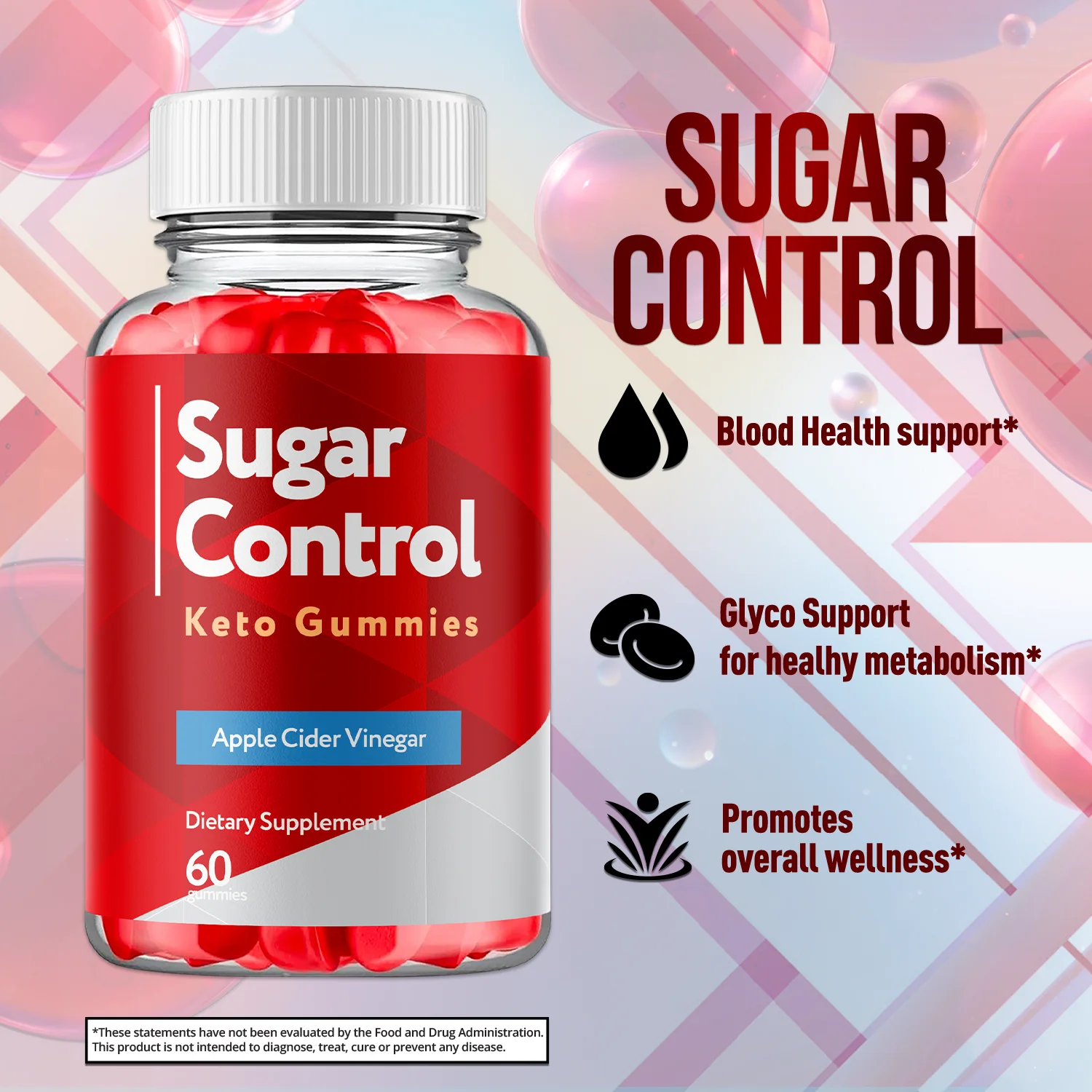
Sugar Control Gummies represent the latest evolution in metabolic health supplements, promising to help regulate blood glucose levels, reduce sugar cravings, support healthy weight management, and promote sustained energy—all through a convenient, chewable format that eliminates the need for hard-to-swallow pills or bitter powders. As type 2 diabetes and prediabetes reach epidemic proportions (affecting over 130 million Americans combined), these gummies target frustrated individuals seeking natural alternatives to pharmaceutical interventions or complementary support to existing treatment plans.
Marketed across multiple platforms with promises of “positive sugar level changes within two weeks,” Sugar Control Gummies tap into the $40+ billion supplement industry’s pivot toward palatable delivery systems, where gummy vitamins now dominate over 30% of the market due to superior adherence rates compared to traditional capsules. However, behind the enticing flavor profiles and Instagram-friendly packaging lies a critical question: can a chewable candy-like format deliver meaningful glycemic control, or do these gummies represent expensive placebo confections with minimal therapeutic value?
Understanding Blood Sugar Control: Why It Matters
Blood glucose regulation is one of the body’s most critical homeostatic processes, directly impacting energy production, cognitive function, cardiovascular health, and longevity. When blood sugar management fails, the consequences are severe: chronic hyperglycemia damages blood vessels, nerves, kidneys, and eyes, while reactive hypoglycemia causes fatigue, brain fog, and dangerous crashes that impair daily function.
The modern lifestyle creates a perfect storm for dysglycemia: ultra-processed foods with high glycemic loads, sedentary patterns, chronic stress elevating cortisol (a glucose-raising hormone), and sleep deprivation disrupting insulin sensitivity by up to 30% after just one night of poor rest. This explains why 96 million Americans have prediabetes (fasting glucose 100-125 mg/dL or A1C 5.7-6.4%), a reversible metabolic state that progresses to full type 2 diabetes in 25% of cases within 3-5 years without intervention.
Standard medical care relies on metformin as first-line therapy (reducing A1C by 1-2 percentage points), dietary counseling emphasizing low-glycemic foods and portion control, and exercise prescriptions targeting 150 minutes weekly of moderate activity. Yet medication adherence hovers around 50% due to gastrointestinal side effects like diarrhea and nausea, while behavioral changes often fail without intensive support, creating demand for “middle-ground” solutions like supplements.
The Gummy Revolution: Science Meets Convenience
The nutritional supplement industry has witnessed a dramatic shift toward gummy formulations over the past decade, with global sales projected to exceed $6.8 billion by 2026. This isn’t merely a marketing gimmick—research demonstrates that chewable formats significantly improve compliance rates, with one study showing 80% adherence for gummies versus 55% for equivalent capsules over 90 days, particularly among populations with “pill fatigue” or swallowing difficulties.
Why Gummies Work (Beyond Taste)
Gastric Retention and Absorption: A 2022 clinical trial published in Nutrients found that sugar-substitute gummies containing fiber and probiotics improved glycemic tolerance compared to standard confections, primarily through delayed gastric emptying and enhanced GLP-1 (glucagon-like peptide-1) secretion—a hormone that slows digestion and signals satiety. The pectin or gelatin matrix in gummies creates a viscous gel that physically slows carbohydrate release, flattening post-meal glucose curves by 15-25% compared to rapidly absorbed tablets.
Psychological Adherence: The ritualistic, reward-like nature of consuming a “treat” activates dopaminergic pathways that reinforce consistent use, particularly important for chronic conditions requiring months of supplementation before measurable A1C improvements appear. This is especially valuable for prediabetics and borderline diabetics where medication hasn’t been prescribed yet, and dietary discipline alone proves insufficient.
Reduced First-Pass Metabolism: Certain actives absorbed sublingually during chewing may partially bypass hepatic metabolism, potentially improving bioavailability for compounds like berberine or chromium, though this advantage requires specific formulation techniques not confirmed in most commercial gummies.
Probable Ingredient Profile: What’s Likely Inside
While specific formulations vary by brand and manufacturer, most blood sugar support gummies in the “Sugar Control” category include a core combination of the following evidence-based ingredients:
1. Soluble Fiber Complexes (Glucomannan, Inulin)
Soluble fibers form viscous gels in the digestive tract, slowing carbohydrate absorption and reducing postprandial glucose spikes by 20-30% when consumed before meals at doses of 3-5 grams daily. Glucomannan specifically carries EFSA-approved health claims for contributing to weight maintenance in the context of an energy-restricted diet and helping maintain normal blood cholesterol levels.
Gummy Reality: Most contain 500mg-1g per serving—helpful but below clinical doses unless consuming multiple servings, which increases cost and calorie intake.
2. Berberine (or Berberine Analogs)
Berberine stands as one of the most evidence-backed glucose-lowering supplements, with meta-analyses showing it reduces fasting blood glucose by 15-20 mg/dL and A1C by 0.7-0.9% through AMPK activation (the same pathway metformin targets), improves insulin receptor sensitivity, and beneficial gut microbiome shifts. Mayo Clinic experts note berberine’s effects rival first-line diabetes medications in some trials, though absorption remains a challenge.
Gummy Challenge: Berberine’s poor water solubility and bitter taste make it difficult to incorporate in palatable gummies at therapeutic doses (1,500mg/day split in three doses). Many brands use “complexed” or lower doses, potentially diluting efficacy.
3. Chromium Picolinate
This trace mineral improves insulin signaling and glucose uptake in muscle cells, with systematic reviews showing modest benefits—fasting glucose reductions of 10-15 mg/dL and A1C decreases of 0.3-0.5% in chromium-deficient individuals. However, benefits are minimal in those with adequate baseline chromium status, meaning not everyone responds.
4. Cinnamon Extract (Standardized to Cinnamaldehyde)
Multiple trials demonstrate that 1-6 grams of cinnamon daily can lower fasting glucose by 10-29 mg/dL through improved insulin sensitivity and delayed gastric emptying. The active compound cinnamaldehyde also shows antioxidant and anti-inflammatory properties beneficial for diabetic complications.
5. Gymnema Sylvestre (“Sugar Destroyer”)
This Ayurvedic herb blocks sweet taste receptors on the tongue, immediately reducing sugar cravings for 1-2 hours post-dose, while also appearing to enhance insulin secretion and potentially regenerate pancreatic beta cells in animal models. Human trials using 400-600mg daily show modest glucose reductions and significant craving suppression.
6. White Mulberry Leaf Extract (1-DNJ)
Rich in 1-deoxynojirimycin (DNJ), mulberry leaf inhibits alpha-glucosidase enzymes that break down complex carbs, functionally acting like the prescription drug acarbose to reduce post-meal glucose spikes by 20-40% when taken before carbohydrate-rich meals. A 2021 RCT showed that 250mg reduced glucose area-under-curve by 42%.
7. Sugar Alcohols and Alternative Sweeteners
To keep net carbs low (typically <3g per serving), gummies use polyols like allulose, erythritol, or xylitol that provide sweetness with minimal glycemic impact (GI of 0-5 versus table sugar’s 65). These compounds can cause digestive upset (bloating, gas, diarrhea) in 10-20% of users, especially above 10-15g daily.
Realistic Efficacy: What Science Predicts
Based on typical ingredient profiles and dosing constraints of gummy formats, here’s what users can realistically expect:
Short-Term Effects (1-2 Weeks)
- Craving Reduction: Gymnema’s sweet-blocking effect and fiber-induced satiety can noticeably reduce dessert consumption and between-meal snacking in 60-70% of users.
- Energy Stability: Flattened glucose curves from fiber and enzyme inhibitors prevent the “roller coaster” of post-meal spikes followed by reactive hypoglycemia crashes, subjectively improving alertness and mood.
- Modest Glucose Dips: 5-10 mg/dL reductions in fasting glucose for those with mild dysglycemia (100-130 mg/dL baseline).
Medium-Term Results (4-12 Weeks)
- A1C Improvements: Consistent daily use alongside dietary improvements may yield 0.3-0.7% A1C reductions—meaningful but far less than metformin’s 1-2% drop.
- Weight Changes: 3-6 pounds of fat loss over 3 months if gummies successfully reduce calorie intake through appetite suppression, but not from direct “fat burning.”
- Metabolic Markers: Modest improvements in triglycerides, HDL cholesterol, and inflammatory markers like CRP in some users.
What Gummies Won’t Do
- Reverse Advanced Diabetes: Cannot replace insulin or medications for those with an A1C >8.5% or diagnosed type 2 diabetes.
- Instant Results: Blood sugar improvements require weeks to months as metabolic adaptations occur gradually.
- Cure Root Causes: Cannot overcome effects of obesity, sedentary lifestyle, or genetic predisposition without concurrent behavior change.
User Experiences and Red Flags
Available consumer feedback reveals mixed but generally cautious-positive patterns:
Positive Reports:
- “Noticed fewer afternoon crashes and fewer dessert cravings by week .3.”
- “Blood sugar readings dropped from 115 to 105 fasting after two months.hs”
- “Much easier than remembering pills three times a day.ily”
Common Complaints:
- Digestive issues (gas, bloating) in the first 1-2 weeks as the gut adjusts to fiber/sugar alcohols
- Disappointment when expecting rapid, dramatic changes
- Cost concerns ($30-50/month) when results plateau after initial improvements
Scam Warning Signs:
The “keto gummy” and blood sugar supplement categories are notoriously riddled with predatory marketing:
- Auto-Ship Traps: Free trial bottles that enroll in recurring subscriptions with difficult cancellation
- Fake Before/After Photos: Stock images or fabricated testimonials
- Unrealistic Claims: “Cure diabetes in 30 days” or “lose 30 pounds without diet changes.”
- No Ingredient Transparency: Refusal to disclose dosages or specific compounds
Trustpilot reviews for various “Sugar Control” branded gummies show sparse data (1-2 reviews total), which could indicate new products, low sales volume, or review suppression—all warrant caution before purchasing.
Comparison: Sugar Control Gummies vs. Proven Alternatives
| Approach | Mechanism | A1C Impact | Cost/Month | Pros | Cons |
| Sugar Control Gummies | Fiber + herbs | 0.3-0.5% | $35-50 | Tasty, convenient | Unproven formula, limited dosing |
| Berberine Capsules | AMPK activation | 0.7-1% | $15-25 | Strong evidence, cheap | GI side effects, 3x daily |
| Metformin (Rx) | Hepatic glucose ↓ | 1-2% | $5-20 | Gold standard, generic | Prescription needed, GI issues |
| Mulberry Leaf Extract | Carb absorption block | 0.3-0.6% | $20-30 | Postprandial control | Must have time with meals |
| Diet + Exercise | Multi-pathway | 1-2% | Free | No side effects, broad benefits | Requires discipline |
Safety Considerations and Who Should Avoid
Generally Safe For:
- Prediabetics (A1C 5.7-6.4%) seeking prevention
- Type 2 diabetics as an adjunct to medical care (with doctor approval)
- Health-conscious individuals are reducing sugar intake
Use Caution If:
- Taking diabetes medications (risk of hypoglycemia—monitor glucose closely)
- Pregnant/nursing (most herbs lack safety data)
- Digestive disorders (fiber/sugar alcohols may worsen IBS, Crohn’s)
Contraindications:
- Type 1 diabetes (requires insulin, not supplements)
- Severe kidney/liver disease (metabolism concerns)
- Allergy to pectin, gelatin, or specific herbal ingredients
Always consult healthcare providers before adding supplements, especially if managing chronic conditions or taking multiple medications.
Final Verdict: Tasty Adjunct, Not Metabolic Miracle
Sugar Control Gummies earn a practical 3.3/5 rating—representing a legitimate supplement category with real (though modest) benefits for glucose management, craving control, and energy stability, but hampered by format-driven dosing limitations, sparse independent verification, and a price premium over more potent alternatives like standalone berberine or fiber supplements.
Best suited for: Prediabetics seeking prevention through natural means, individuals with mild glucose elevations (fasting 100-120 mg/dL) wanting convenient supplementation, and those who struggle with pill adherence but will consistently consume gummies.
Skip if: You have diagnosed diabetes requiring medication (use as an adjunct only with medical supervision), prefer maximum cost-effectiveness (berberine capsules offer better value), or have IBS/digestive sensitivity to sugar alcohols and fiber.
Optimization strategy: Combine gummies with evidence-based lifestyle changes (30-minute post-meal walks, 7-8 hours sleep, stress management), take before carb-heavy meals to maximize enzyme inhibition benefits, and track fasting glucose weekly to objectively measure response rather than relying on subjective feelings alone.
Blood sugar control deserves serious attention—chewable formats can play a supporting role, but they’re one tool among many in a comprehensive metabolic health strategy, never a standalone solution or replacement for medical care when clinically indicated.
Briefed FAQs
Q.Do Sugar Control Gummies actually lower blood sugar?
They can produce modest reductions (5-15 mg/dL fasting glucose, 0.3-0.5% A1C) when used consistently for 8-12 weeks alongside dietary improvements, primarily through fiber content, enzyme inhibitors, and mild insulin sensitizers—but effects are far weaker than prescription medications.
Q.Are they keto-friendly?
Most versions use sugar alcohols and keep net carbs below 3g per serving, making them compatible with ketogenic diets, though individual tolerance to polyols varies.
Q.How long until results appear?
Craving reduction may occur within 1-2 weeks; measurable glucose improvements typically require 4-8 weeks of daily use; A1C changes need 8-12 weeks minimum to reflect in blood tests.
Q.Can they replace my diabetes medication?
Absolutely not—supplements are adjuncts, not replacements, for prescription therapies. Never discontinue medications without physician guidance, as doing so can cause dangerous glucose spikes.
Q.Are Sugar Control Gummies a scam?
The category contains both legitimate products and predatory schemes. Red flags include auto-ship traps, miracle cure claims, and zero ingredient transparency. Verify the company’s reputation and look for money-back guarantees before purchasing.
Q.Better than berberine capsules?
No—capsules deliver higher doses of proven actives at lower cost. Gummies offer convenience and palatability but sacrifice potency due to format limitations.
Q.Safe for long-term use?
Ingredients like fiber, cinnamon, and chromium are generally safe long-term at recommended doses, but periodic monitoring of glucose levels and consultation with healthcare providers remains essential, especially for those on diabetes medications.
Sugar Control Gummies