
Rising electricity rates have forced homeowners and small business owners to scrutinize their monthly utility bills. Heating, ventilation, air conditioning, refrigeration, and modern electronics all contribute to escalating power demands. Amidst growing interest in residential energy conservation, plug-in power management devices have gained significant traction.
Among these offerings, VoltCore Energy Saver has emerged as a widely discussed plug-in device claiming to optimize electrical flow, stabilize household voltage, and reduce energy waste.
This comprehensive review examines VoltCore Energy Saver through a neutral, consumer-research lens. We evaluate its underlying technology, core specifications, real-world utility, safety considerations, cost structure, and its comparison with traditional home energy management methods.
What Is VoltCore Energy Saver?
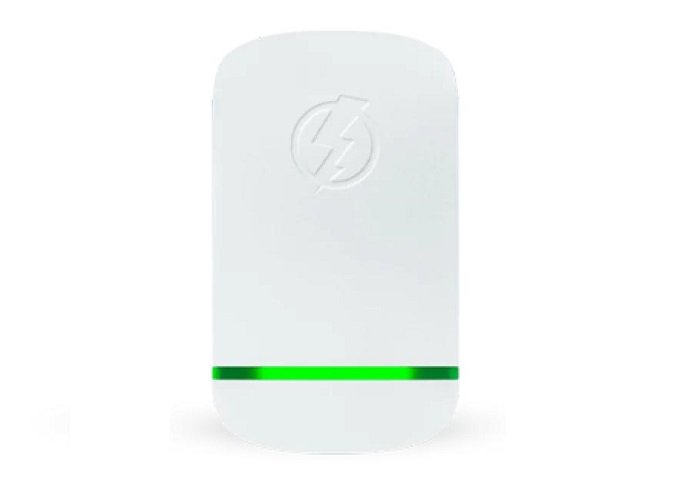
VoltCore Energy Saver plugs into any standard wall outlet and starts working on your home’s electrical system. The device measures about 9cm × 6cm × 3.5cm and weighs roughly 150 grams. You won’t notice it sitting there, and it doesn’t block the outlet next to it.
This isn’t a surge protector or a power strip. VoltCore focuses on improving how electricity flows through your home’s wiring. It handles voltage stabilization, power factor correction, and filters out electrical noise that can interfere with sensitive devices.
The device works with standard electrical systems across North America, supporting voltages from 90V to 240V AC. Once you plug it in, it runs continuously without requiring any setup, apps, or maintenance. You just leave it alone and let it do its job.
VoltCore targets three common household frustrations: high electricity bills, appliances that wear out faster than they should, and electronics that act up because of power fluctuations. It’s designed for people who want to save money without changing their daily habits or learning technical stuff.
The product carries CE certification and meets RoHS compliance standards, which means it passes international safety and environmental requirements for home use.
How Does VoltCore Work? The Technology Explained
Three core technologies make VoltCore tick. You don’t need an engineering degree to understand them, but knowing the basics helps set realistic expectations.
Power Factor Correction
Here’s the thing about electricity in your home: not all of it gets used efficiently. Appliances with motors, compressors, or transformers—think refrigerators, air conditioners, washing machines—create what engineers call reactive power. This reactive power doesn’t actually do useful work, but it still flows through your wiring and makes your electrical system work harder than necessary.
VoltCore uses capacitor technology to compensate for this reactive power. When the power factor improves, your appliances draw electricity more efficiently. The total power required to run them decreases. Factories and commercial buildings have used this same principle for decades to cut their massive electricity costs.
Voltage Stabilization
Your home’s electrical voltage isn’t perfectly steady. It fluctuates throughout the day based on grid demand, weather, and what your neighbors are doing. These fluctuations force appliances to draw inconsistent current, which wastes energy and wears out electrical components faster.
The voltage regulator inside VoltCore smooths out these fluctuations. When voltage stays stable, appliances operate more predictably and efficiently. This stabilization also prevents the small power spikes that gradually degrade sensitive electronics over time.
Dirty Electricity Filtration
Dirty electricity refers to high-frequency electrical noise that travels along your wiring alongside standard 60Hz power. Modern electronics like LED lights, computers, and variable-speed appliances create this noise by switching on and off rapidly. It can interfere with sensitive devices and contribute to overall electrical inefficiency.
VoltCore includes filtering components that reduce this electrical noise. The result is a cleaner power supply throughout your home. Some users notice lights stop flickering and devices perform more smoothly after installation.
The Timeline for Results
Don’t expect instant magic. VoltCore needs time to analyze your home’s electrical patterns and begin optimizing effectively. Most users notice measurable differences after 2-4 weeks of continuous use. More significant savings typically show up after 60-90 days.
During the first 7-10 days, VoltCore learns your home’s electrical patterns and identifies inefficiencies. Weeks 2-3 bring continued optimization as the device makes micro-adjustments based on your actual usage. By weeks 4-6, cumulative effects usually show up on electricity bills, especially when compared to the same period from the previous year.
Technical Features & Specifications Breakdown
VoltCore is built with internal componentry tailored for standard residential grid specs across North America and standard international AC voltages.
Core Features
-
Universal Voltage Support: Works on single-phase AC lines ranging from 90V up to 250V, accommodating typical U.S. 120V circuits effortlessly.
-
Fire-Retardant ABS Enclosure: Constructed using high-temperature thermal plastic engineered to withstand internal heat buildup and prevent ignition hazards under sustained load.
-
Smart LED Status Ring: Provides immediate confirmation that the internal circuitry is powered, capacitance is active, and surge protection is engaged.
-
Zero Ongoing Maintenance: Uses solid-state internal components with no moving parts or consumable elements.
-
Compact Footprint: Engineered to fit standard double wall outlets without blocking adjacent plugs or ground pins.
Detailed Specifications
| Technical Parameter | Manufacturer Specification |
| Rated Voltage | 90V – 250V AC |
| Rated Frequency | 50Hz – 60Hz |
| Effective Payload Capacity | Up to 28,000 Watts (28kW) cumulative circuit coverage |
| Housing Material | Impact-resistant, flame-retardant ABS plastic |
| Protection Standard | Internal thermal overload cutoff and short-circuit fusing |
| Plug Configuration | Standard North American 3-prong grounded plug (Type B) |
| Operating Temperature | -15°C to 60°C (5°F to 140°F) |
Benefits & Practical Use Cases
While no single device can completely alter standard electrical billing metrics overnight, strategic deployment of line-conditioning equipment offers several clear practical advantages for daily home appliance operation.
1. Protection for Motor-Driven Household Appliances
Appliance motors in central air units, chest freezers, sump pumps, and dishwasher pumps undergo heavy stress when starting up. By stabilizing local voltage fluctuations during high-demand motor ignition, VoltCore reduces thermal stress on motor windings, helping extend operational lifespan.
2. Safeguarding Sensitive Microelectronics
Smart TVs, desktop computers, gaming consoles, and smart home hubs rely on steady voltage levels. Minor line surges and harmonic noise can cause random restarts, signal flickering, or premature component fatigue. VoltCore’s transient surge damping helps isolate household electronics from line noise.
3. Reduction of Idle Electrical Waste
Inductive loads operating on low power factors waste small amounts of energy in the form of heat dissipation within home wiring walls. Localized capacitance helps smooth out this current, keeping wire temperatures lower and minimizing stray resistive heat loss.
Who Should Use VoltCore Electricity Saving Device?
VoltCore Energy Saver isn’t a one-size-fits-all solution. Certain households and situations are more likely to see meaningful benefits than others.
Best Candidates for VoltCore
-
Homeowners with older electrical systems. Houses built before the 1990s often have less efficient wiring and poorer power factor, creating more opportunity for optimization.
-
Households with high monthly electricity bills. Families spending $120 or more monthly on electricity have more potential for meaningful savings that justify the investment.
-
Homes with multiple inductive appliances. Properties with numerous motors, compressors, or transformers (refrigerators, air conditioners, pumps, etc.) benefit more from power factor correction.
-
Residents in areas with unstable power. Locations experiencing frequent voltage fluctuations or power quality issues may see both savings and protection benefits.
-
Small business owners. Home-based businesses with expensive equipment vulnerable to surges can benefit from the added protection and potential efficiency gains.
-
Renters and apartment dwellers. The plug-and-play design makes VoltCore ideal for those who can’t make permanent electrical modifications but still want to reduce energy costs.
-
Eco-conscious consumers. Households focused on reducing energy waste and environmental impact may appreciate the efficiency improvements.
Less Ideal Candidates
-
Newer homes with efficient electrical systems. Recently constructed houses often already have good power factor and modern wiring, leaving less room for improvement.
-
Households with very low electricity usage. Families spending under $75 monthly may see minimal absolute savings that don’t justify the cost.
-
Those expecting instant, dramatic results. Users unwilling to wait 30-60 days for measurable benefits may be disappointed.
-
Homes with serious underlying electrical problems. Properties with faulty wiring or major electrical issues need professional repair, not optimization devices.
Safety, Installation & Operational Precautions
Safety is paramount when plugging any secondary electrical device into a main wall outlet. VoltCore is built with safety standards in mind, but proper deployment remains critical.
Step-by-Step Installation Process
-
Locate the Central Outlet: Identify a grounded 3-prong wall outlet located near your home’s main breaker panel or in an area with high-draw appliances (such as the living room, kitchen, or utility space).
-
Verify Outlet Integrity: Ensure the outlet is securely mounted, free of physical damage, and not overloaded with multi-plug splitters.
-
Plug In the Unit: Insert VoltCore firmly into the lower or upper socket until fully seated flush against the wall plate.
-
Confirm Status Light: Observe the green LED ring. A solid illumination confirms that the circuit is live, internal capacitors are charged, and surge filtering is operational.
-
Leave Continuously Running: The device is engineered for continuous 24/7 operation. Unplugging it resets line conditioning benefits.
Essential Safety Guidelines
-
Do Not Exceed Capacity: Do not plug VoltCore into damaged extension cords, ungrounded 2-prong adapters, or overloaded power strips.
-
Indoor Use Only: Keep the device away from rain, outdoor moisture, high humidity zones (like damp crawlspaces), or heat sources.
-
Child and Pet Safety: Ensure the unit is installed firmly in outlets away from pet access or small children.
-
Discontinue If Damaged: If the casing shows cracks, scorch marks, or discoloration following a major grid lightning strike, unplug the unit immediately and replace it.
Pros & Cons
An honest evaluation requires examining both the clear strengths and practical limitations of the device.
Advantages
-
Simple Installation: Requires zero tools, electrical expertise, or professional service calls.
-
Protects Appliances: Offers built-in surge damping and noise filtering that shield internal electronics.
-
Flame-Retardant Construction: Enclosure materials resist high thermal loads for peaceful 24/7 continuous running.
-
Universal Compatibility: Functions on standard 110V–240V AC electrical grids nationwide.
-
Silent Operation: Generates zero mechanical fan noise, buzzing, or vibration.
Disadvantages
-
Does Not Affect Pure Resistive Loads: Cannot lower power consumption on pure resistive heating elements like space heaters, toaster ovens, incandescent bulbs, or electric water heaters.
-
Requires Proper Outlet Placement: Optimal efficiency relies on plugging the unit close to heavy inductive loads or main power entry points.
-
Multiple Units Needed for Large Homes: Residences exceeding 1,500–2,000 square feet generally require two or three units across different circuit legs for full coverage.
Customer Feedback: What Users Are Saying
Customer experiences with VoltCore Energy Saver span a wide range, reflecting the variability in home electrical systems and usage patterns.
Positive Feedback Themes
Many satisfied customers report consistent bill reductions of 10-25% after 1-3 months of use. Common praise focuses on the simple installation process, noticeable improvements in appliance performance, and effective surge protection. Users in older homes or areas with unstable power tend to report the best results.
One verified customer noted: “I was skeptical after the first two weeks because I didn’t see my bill drop in half as some exaggerated ads suggested. But when I compared my third month to the same period last year, I saved about 18% even though I used my AC more.”
Another user emphasized the protection aspect: “Our home has always had issues with sudden power spikes, and I can’t count the number of times my appliances have stopped working because of it. Since plugging in VoltCore, I haven’t had a single issue.”
Critical Feedback Themes
Dissatisfied customers typically fall into two categories: those with already-efficient electrical systems who saw minimal savings, and those who expected immediate dramatic results and gave up too quickly. Some negative reviews mention the LED indicator being too dim or marketing claims feeling overstated relative to actual performance.
A critical but fair review noted: “I live in a newer home with good wiring, and I didn’t see much difference in my bill. The device works fine, but if you already have efficient power, there’s not much room for improvement.”
Overall Sentiment
Aggregated ratings across multiple platforms show VoltCore receiving between 4.3 and 4.7 out of 5 stars, with approximately 75% of users reporting positive experiences. The most satisfied customers tend to be those with realistic expectations, older homes, and higher electricity bills who used the device continuously for at least 60 days before evaluating results.
Pricing, Warranty and Refund Policy
VoltCore Energy Saver is sold primarily through the official website, where the manufacturer offers tiered pricing based on quantity.
Current Pricing Structure
-
Single unit: $59.99 (regularly $149.98, approximately 60% discount)
-
2-pack: $99.98 ($49.99 per unit, approximately 65% discount)
-
3-pack: $137.97 ($45.99 per unit, approximately 70% discount, free shipping)
-
4-pack: $163.96 ($40.99 per unit, approximately 75% discount, free shipping)
Multi-unit purchases make sense for larger homes where multiple devices can cover different electrical circuits or floors. The manufacturer recommends approximately one unit per 1,500 square feet for comprehensive coverage.
30-Day Money-Back Guarantee
Every purchase includes a 30-day satisfaction guarantee. If you’re not satisfied with the results after using VoltCore as directed for the trial period, you can request a full refund. The company provides prepaid return shipping labels and processes refunds within 5-7 business days of receiving the returned device, with no restocking fees or complicated requirements.
Warranty Coverage
VoltCore includes manufacturer warranty protection against defects and premature failure. Quality components are designed for 10-15 years of continuous operation, though individual lifespan depends on usage conditions and electrical environment.
Where to Buy VoltCore Device?
Purchase exclusively through the official website to ensure authenticity, access current promotions, and receive full warranty protection. Counterfeit versions sold through unauthorized retailers may lack proper safety certifications and could potentially damage electrical systems.
Frequently Asked Questions (FAQs)
Q. How many VoltCore devices do I need for my home?
Coverage depends primarily on your home’s overall square footage and electrical layout:
-
Under 800 sq. ft.: 1 unit placed in a central location.
-
800 to 2,000 sq. ft.: 2 units placed on opposite ends or different floors.
-
Over 2,000 sq. ft.: 3 or more units placed near major high-draw appliances or sub-panels.
Q. Is it safe to leave VoltCore plugged in all the time?
Yes. VoltCore is specifically designed for 24/7 continuous operation. It is manufactured with fire-retardant ABS housing and internal thermal safety fuses to prevent overheating.
Q. Does VoltCore draw a lot of electricity itself?
No. The device uses minimal standby power (typically under 0.5 to 1 Watt) to power its internal LED status ring and monitoring circuit.
Q. Will VoltCore lower my bill if I rely mostly on electric space heaters?
Electric space heaters, electric stoves, and toaster ovens are pure resistive loads. Resistive loads already operate at near 100% power factor (1.0). VoltCore’s power factor alignment specifically targets inductive loads (motors, compressors, fans, and transformer power supplies).
Q. Where is the best place to plug in VoltCore?
Plug the unit into a grounded outlet nearest to your main electrical breaker panel, or close to heavy motorized appliances like your refrigerator, central AC intake, or laundry room.
Q. Can I plug VoltCore into a power strip or extension cord?
For optimal performance and safety, VoltCore should be plugged directly into a fixed wall outlet rather than an extension cord or secondary daisy-chained power strip.
Q. How long does it take to see results with VoltCore Energy Saver?
Most users notice measurable differences in electricity consumption after 2-4 weeks of continuous use. However, the most accurate assessment comes from comparing bills over 60-90 days to the same period from the previous year, which accounts for seasonal variations in usage.
Q. Does VoltCore require maintenance or eventual replacement?
The device requires zero ongoing maintenance and is designed for continuous 24/7 operation. Quality components ensure long-term reliability, though replacement every 10-15 years is recommended as capacitors naturally degrade with extended use.
Final Verdict
VoltCore Energy Saver provides an accessible, non-invasive option for homeowners looking to stabilize internal line voltage, reduce harmonic electrical noise, and shield sensitive household equipment from daily power surges.
While it is not a magical cure-all for every type of utility bill, its capacitive technology and integrated surge protection offer real practical value—particularly in homes equipped with multiple motor-driven appliances, air conditioning systems, or older electrical infrastructure. When paired with smart energy habits (such as upgrading to LED lighting and sealing door weatherstripping), VoltCore serves as a helpful component of an overall home efficiency plan.
If you are looking for an easy, tool-free way to improve power consistency and protect your appliances against line fluctuations, VoltCore Energy Saver is a worthwhile consideration.